Have you ever wondered why some Cabbage Patch Dolls were actually banned? These once-beloved toys caused more than just childhood joy—they sparked controversy, legal battles, and even safety scares.
If you grew up loving these dolls or are curious about their surprising history, you’ll want to uncover the real reasons behind their ban. From unexpected dangers to fierce competition and lawsuits, the story of Cabbage Patch Dolls is far more complex than you might think.
Keep reading, and discover what made these iconic toys both cherished and controversial.
Credit: bookmans.com
Cabbage Patch Dolls Craze
The Cabbage Patch Dolls craze swept through the 1980s like a whirlwind. These unique dolls captured the hearts of children and adults alike. Their distinct look and adoption concept made them stand out. The craze grew fast and soon became a cultural phenomenon.
Rise To Popularity
Cabbage Patch Dolls first appeared in 1978. Their handmade style and soft bodies made them special. Each doll came with a unique name and adoption papers. This personal touch attracted many buyers. Word spread quickly, and demand increased sharply.
Massive Consumer Demand
By the early 1980s, the dolls were everywhere. Parents rushed to stores to buy them for their children. Many stores struggled to keep enough stock. The dolls became must-have holiday gifts. The high demand made them hard to find.
Retail Chaos And Riots
The craze caused chaos at retail stores. Shoppers often fought over limited dolls. Some stores experienced riots and broken displays. Police were called to control the crowds. The frenzy showed how intense the demand had become.
Legal Battles And Controversies
The story of Cabbage Patch Dolls includes more than just toys and fans. Legal battles and controversies also shaped their history. These conflicts brought challenges to the brand and affected its public image. Understanding these issues helps explain why some versions of the dolls faced bans or restrictions.
Artist Lawsuit Against Manufacturer
The original creator of Cabbage Patch Dolls filed a lawsuit against the manufacturer. The artist claimed the company used her designs without proper credit or payment. This legal fight highlighted disputes over ownership rights. It raised questions about how much control artists have over mass-produced art.
The lawsuit caused delays and tension in the doll’s production. It also drew public attention to the behind-the-scenes struggles of the toy industry. Fans and collectors followed the case closely as it unfolded in court.
Intellectual Property Claims
Many companies claimed rights over the Cabbage Patch brand and designs. Intellectual property issues arose over trademarks and copyrights. Some rivals argued the dolls copied their ideas or used protected features. These claims led to multiple court cases and settlements.
The disputes showed how valuable and competitive the toy market can be. Protecting unique designs became a priority for companies. At the same time, these battles sometimes confused consumers about the authenticity of dolls.
Impact On Brand Reputation
Legal battles and controversies hurt the Cabbage Patch brand’s reputation. Negative news made some buyers wary of purchasing the dolls. Retailers hesitated to stock products involved in lawsuits or recalls. This situation affected sales and the brand’s growth.
Despite these challenges, the dolls remained popular for years. The brand worked to rebuild trust with consumers and improve product safety. Still, the legal issues serve as a reminder of the risks in the toy business.
Snacktime Kids Recall
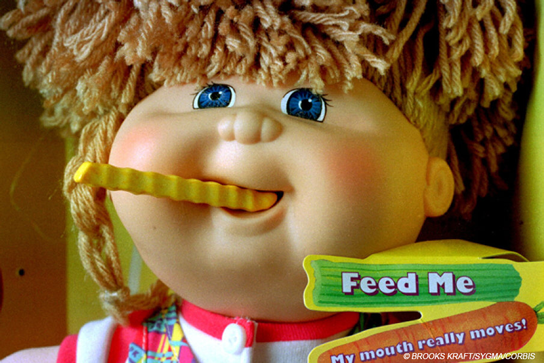
The Snacktime Kids recall remains one of the most talked-about events in toy history. These dolls were designed to simulate eating, but they caused unexpected problems. Parents quickly noticed issues that made the dolls unsafe for children. The recall was a necessary step to prevent further harm.
Design Flaws
The Snacktime Kids dolls had a motorized mouth that could chew small snacks. This feature was meant to make playtime fun and interactive. Unfortunately, the design had a critical flaw. The dolls’ mouth could also grab fingers, hair, or clothing. This risk made the dolls dangerous for young kids.
Injury Reports
Many parents reported their children got hurt by these dolls. Fingers and hair got caught in the chewing mechanism. Some children experienced pain and minor injuries. These incidents raised alarms among safety experts and parents alike. The growing number of injury reports pushed for urgent action.
Safety Warnings Issued
Authorities quickly issued safety warnings about the Snacktime Kids dolls. They advised parents to stop using the dolls immediately. The warnings explained the choking and entanglement hazards. Toy stores began pulling these dolls off shelves. Eventually, the company recalled the product to protect children.

Credit: entertainment.howstuffworks.com
Counterfeit Doll Issues
The rise in popularity of Cabbage Patch Dolls led to a surge in counterfeit products. These fake dolls flooded the market, causing significant problems for both consumers and the brand. Counterfeit doll issues became a serious concern, affecting safety and trust.
Fake Dolls In Market
Many fake Cabbage Patch Dolls appeared on store shelves and online. These dolls looked similar but lacked the quality of originals. Buyers often could not tell the difference until after purchase. The fake dolls damaged the reputation of the genuine brand.
Unpleasant And Hazardous Smells
Counterfeit dolls often had strange and unpleasant odors. Some emitted harsh chemical smells that caused discomfort. These odors came from low-quality and unsafe materials used in production. The smells were far from the original doll’s nostalgic scent.
Consumer Safety Concerns
Fake Cabbage Patch Dolls posed risks to children’s health. Unsafe materials sometimes led to allergic reactions or skin irritation. Small parts in counterfeit dolls were choking hazards. Parents worried about the safety of these unauthorized products.
Nostalgic Scent And Originality
The nostalgic scent and originality of Cabbage Patch Dolls played a big role in their unique charm. Fans often remember the dolls not just for their look but also for the special smell. This scent created a strong emotional bond. Over time, changes in the dolls’ scent and design affected how fans felt about them.
Signature Baby Powder Smell
The original Cabbage Patch Dolls had a sweet baby powder scent. It mixed a soft powder smell with a faint plastic note. Many people recall this scent clearly from their childhood. This smell made the dolls feel more lifelike and comforting. It became a key part of the doll’s identity.
Variations In Newer Dolls
Newer versions of the dolls sometimes lack the classic scent. Some fans say the smell is weaker or missing entirely. Others notice hints of vanilla or fruity notes instead. These changes affect the doll’s originality. The scent no longer matches the beloved original version. This shift made some collectors less interested.
Emotional Connection For Fans
For many, the scent brings back warm memories of childhood. It connects them to a time of innocence and joy. The original smell made the dolls feel special and unique. Losing this scent breaks the emotional link for some fans. This connection is part of why the dolls remain popular today.
Why Some Were Banned
Some Cabbage Patch Dolls faced bans due to concerns from parents, authorities, and companies. These bans arose from issues that affected children’s safety and legal matters. The desire to protect consumers and maintain market fairness also played a role. Below are the main reasons why certain dolls were banned.
Safety Risks
Certain Cabbage Patch Dolls were banned because they posed safety hazards. Some dolls had small parts that could detach easily. These tiny pieces created choking dangers for young children. Others contained materials that caused allergic reactions or skin irritation. The design of some dolls included sharp edges or loose strings. These features increased the risk of injury during play. Safety concerns led regulators to restrict or ban specific models.
Legal Disputes
Legal battles contributed to bans on some Cabbage Patch Dolls. The original creators and manufacturers fought over copyrights and trademarks. Some companies claimed theft of ideas and designs. These disputes stopped production of certain dolls temporarily. Courts sometimes ordered recalls or bans until the issues resolved. Legal conflicts also delayed the release of new versions. These problems affected the availability and reputation of the dolls.
Market And Consumer Protection
Consumer protection rules led to bans on dolls that failed to meet standards. Some dolls were found to have misleading labels or false claims. Others did not comply with safety certification requirements. Regulators acted to stop sales of non-compliant products. The goal was to protect buyers from unsafe or low-quality toys. Market fairness rules also banned counterfeit or knockoff dolls. These measures helped maintain trust in the Cabbage Patch brand.

Credit: www.reddit.com
Frequently Asked Questions
How Much Did A Cabbage Patch Kid Cost In 1983?
In 1983, a Cabbage Patch Kid typically cost around $25 to $30 at retail stores. Prices varied by location.
What Doll Caused The Riot?
The Cabbage Patch Kids doll caused the riot. Its extreme popularity led to chaotic scenes at stores during its release.
What Did Cabbage Patch Kids Smell Like?
Cabbage Patch Kids smelled like a sweet, plasticky baby powder scent. Some recalled hints of vanilla or fruity notes. This nostalgic aroma reminds many of their childhood. Newer dolls may not have the same consistent smell. Counterfeit versions sometimes had unpleasant industrial odors.
Who Won The Lawsuit For Cabbage Patch Kids?
Artist Martha Nelson Thomas sued Xavier Roberts over Cabbage Patch Kids. The lawsuit settled for an undisclosed amount.
Conclusion
Cabbage Patch Dolls caused chaos due to their huge popularity. Their unique design and scent made many kids want them badly. Safety concerns arose with some models, leading to bans. Stores struggled to handle crowds and prevent injuries. The dolls remain a nostalgic symbol despite past controversies.
Collectors still seek rare versions with great interest. Understanding their history helps explain why they faced restrictions. The story shows how a toy can impact culture deeply.