Have you ever wondered when your baby will start playing with toys? Watching your little one explore the world through play is one of the most exciting moments for any parent.
But knowing exactly when infants begin to enjoy toys can help you choose the right ones to support their growth. You’ll discover the key stages when your baby starts engaging with toys and how this playtime boosts their development. Keep reading to find out how you can make play a fun and meaningful part of your baby’s early months.
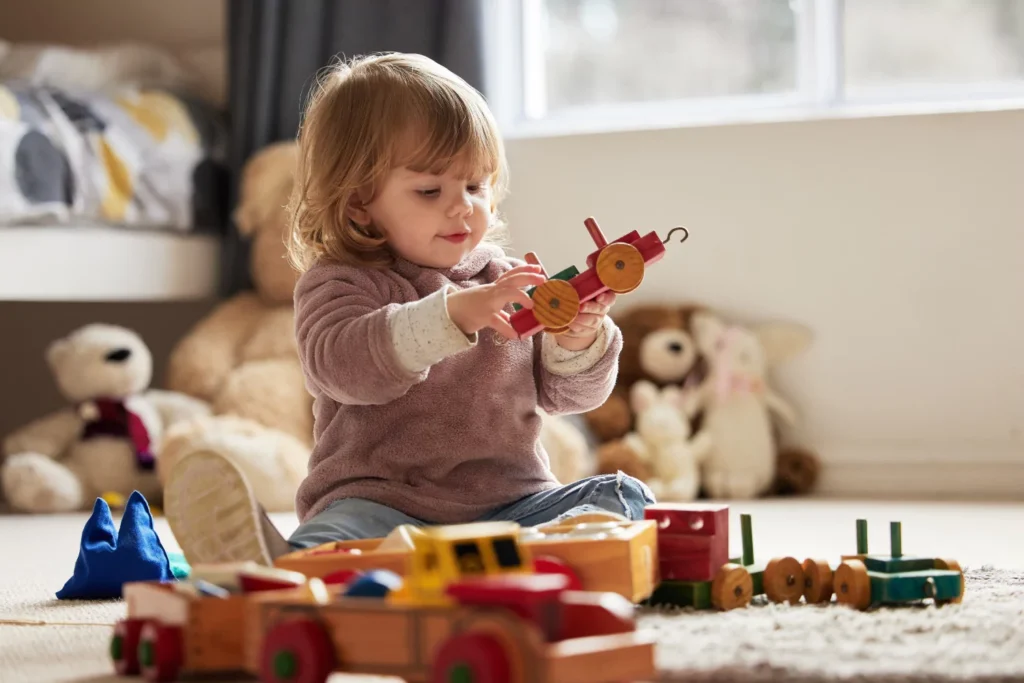
Credit: www.focusonthefamily.com
Toy Play In Early Months
Infants begin to show interest in toys around two to three months old. Early play helps develop their senses and motor skills. Simple, colorful toys attract their attention and encourage interaction.
Toy play in the early months is a fascinating journey for both infants and parents. It’s an exciting period where you witness your little one’s first interactions with the world around them. The joy of seeing a baby discover textures, colors, and sounds through toys is unparalleled. But when exactly do infants start engaging with toys, and what does this interaction look like? Let’s delve into the stages of toy play in the early months.Newborn Sensory Exploration
In the initial weeks, newborns are primarily focused on sensory exploration. Their world is all about sight, sound, and touch. At this stage, high-contrast toys are particularly captivating. Consider introducing black and white toys or those with bold patterns to stimulate their visual senses. Sounds also play a vital role. Soft music or rattles can catch their attention, encouraging auditory exploration. You might notice them turning their head towards the source of a sound, a sign that they are processing auditory stimuli. Tactile experiences are equally important. Offering toys with different textures can enhance their sense of touch. Think about soft plush toys or simple fabric books that they can grasp and feel.Grasp Reflex And Toy Interaction
As infants grow, their grasp reflex begins to develop. This is an innate reflex where they automatically close their fingers around an object placed in their hand. You can leverage this reflex by offering small, lightweight toys that they can easily hold. Notice how your baby starts to hold onto toys like soft rattles or small rings. It’s not just about holding; it’s the beginning of voluntary interaction with objects. This stage marks the transition from passive observation to active engagement. Encourage toy interaction by placing toys within reach during tummy time. Watch as they start reaching out and batting at toys with their tiny hands. Each attempt to grasp is a step towards developing motor skills. How do you plan to make toy play a part of your infant’s early exploration?
Credit: www.womensweekly.com.sg
Play Milestones By Age
Understanding your infant’s play milestones helps you support their growth and enjoy their discoveries. Play isn’t just fun; it’s how babies learn about the world and develop essential skills. Watching your baby interact with toys reveals their progress and sparks your connection.
3 To 6 Months: Hand-eye Coordination
Between three and six months, your baby starts to coordinate their eyes and hands better. They may reach for toys, swipe at objects, or try to grasp rattles. This stage is exciting because you see their focus sharpen and their movements become more intentional.
Try offering colorful, lightweight toys that are easy to hold. Soft rattles or textured balls work well. Have you noticed your baby staring intently before reaching out? That’s their brain practicing coordination.
6 To 9 Months: Reaching And Holding
From six to nine months, your infant improves their reaching skills and begins holding toys firmly. They might pass toys from one hand to the other or explore objects by mouthing them. This stage shows growing strength and curiosity.
Provide toys of various shapes and sizes to encourage exploration. Think about stacking rings or teething toys that invite your baby to grasp and manipulate. Watching them discover cause and effect through play is truly rewarding.
9 To 12 Months: Imitation And Problem Solving
Between nine and twelve months, your baby starts to imitate actions and solve simple problems during play. They might try to fit shapes into a sorter or mimic your movements with a toy phone. This shows budding cognitive skills and creativity.
Offer toys that challenge their thinking, like shape sorters or simple puzzles. Notice if your baby repeats actions to get a result—this is their way of learning. What new tricks is your little one copying from you lately?
Choosing Safe Toys
Choosing safe toys for infants is essential for their healthy growth. Toys help babies explore and learn about the world. Safety ensures they enjoy playtime without harm. Parents must be careful when selecting toys.
Safe toys protect babies from accidents and health risks. Always check the toy’s features before buying. The right toy supports development and keeps babies safe.
Material And Size Considerations
Select toys made from non-toxic materials. Avoid toys with paint or coatings that can peel. Soft, BPA-free plastics or natural wood are good choices.
Choose toys that fit your baby’s age. Small parts can be dangerous. Toys should be large enough to prevent swallowing or choking.
Check for smooth edges and no sharp points. Rough or broken toys can hurt delicate skin. Clean toys regularly to avoid germs and bacteria.
Avoiding Choking Hazards
Choking is a common risk with infant toys. Avoid toys with small detachable parts like buttons or beads. These pieces can block airways easily.
Inspect toys carefully before giving them to your baby. Test if small parts can come loose. If yes, do not use the toy.
Use toys specifically designed for infants. They follow safety standards to reduce choking risks. Keep an eye on your baby while playing to prevent accidents.

Credit: www.thebump.com
Encouraging Play
Encouraging play is essential for your infant’s growth and happiness. Play helps babies develop motor skills, learn about their world, and build emotional bonds with you. Creating the right opportunities for play early on can make a big difference in how your child explores and interacts with their surroundings.
Creating Stimulating Environments
Set up a safe and inviting space where your baby feels comfortable to explore. Use bright colors, soft textures, and a variety of shapes to capture their attention. Rotate toys regularly to keep the environment fresh and exciting.
Think about adding simple items like soft blocks, rattles, or fabric books. These encourage sensory development and hand-eye coordination. Have you noticed how your infant reacts differently to certain textures or sounds? That can guide you in choosing what to place nearby.
Engaging With Your Infant
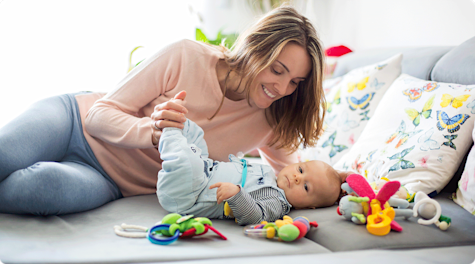
Your involvement turns playtime into a meaningful learning experience. Get down on the floor and interact with your baby through smiles, gentle touches, and talking. Respond to their sounds and movements to encourage communication.
Try playing peek-a-boo or showing them how to stack rings. These simple activities teach cause and effect and problem-solving skills. When you engage closely, you also strengthen your bond and make playtime more fun for both of you.
Benefits Of Toy Play
Toys are more than just fun objects for infants. They play a crucial role in early learning and development. Playing with toys helps babies explore the world and understand new ideas. It supports growth in many important areas. Below are some key benefits of toy play for infants.
Cognitive Development
Toys stimulate infants’ thinking and problem-solving skills. They learn cause and effect by pressing buttons or stacking blocks. Toys also improve memory and attention span. Bright colors and shapes help babies recognize patterns. Playing encourages curiosity and creativity in young minds.
Motor Skills Enhancement
Handling toys builds fine motor skills and hand-eye coordination. Grasping small objects strengthens finger muscles. Reaching and moving toys helps develop large muscle control. These actions prepare babies for crawling and walking. Toys motivate infants to practice new movements.
Social And Emotional Growth
Playing with toys supports social skills and emotional understanding. Sharing toys teaches patience and cooperation. Toys also provide comfort and a sense of security. Role-playing with dolls or animals helps express feelings. Interaction with caregivers during play builds trust and bonds.
Expert Tips For Parents
Helping infants enjoy toys is part of early learning and fun. Play supports brain growth and motor skills. Parents can guide playtime to make it joyful and safe. Here are expert tips to support your baby’s play habits.
Timing Play Sessions
Choose times when your baby feels calm and alert. Short play sessions work best at first. Watch for signs of tiredness or fussiness. Play after naps or feeding can be ideal. Keep sessions brief and positive to keep interest high.
Observing Infant Preferences
Notice which toys catch your baby’s eye. Some prefer bright colors or soft textures. Others like toys that make noise or move. Offer different options and see what delights your child. Follow their lead to encourage exploration and joy.
Balancing Screen Time And Toy Play
Limit screen time for babies under two years. Real toys help develop senses and skills better. Use screens sparingly and choose age-appropriate content. Encourage hands-on play to build focus and creativity. Balance helps healthy brain and social growth.
Frequently Asked Questions
When Do Infants Start Playing With Toys?
Infants typically begin playing with toys around 3 to 4 months old. At this age, they start reaching and grasping objects, showing interest in colors and textures. Early play helps develop motor skills and hand-eye coordination.
What Types Of Toys Do Infants Prefer?
Infants prefer soft, colorful, and textured toys. Toys that make gentle sounds or have high-contrast patterns attract their attention. Safe teething toys and rattles are popular choices during early developmental stages.
How Does Toy Play Benefit Infant Development?
Playing with toys boosts infants’ cognitive, motor, and sensory skills. It encourages problem-solving, hand-eye coordination, and social interaction. Toys stimulate curiosity and support brain growth during critical early months.
When Should Parents Introduce Toys To Infants?
Parents can introduce toys as early as 3 months when infants start showing interest in objects. Simple, safe toys help infants explore their environment and develop essential skills gradually.
Conclusion
Infants start playing with toys as early as a few months old. Toys help babies learn about the world around them. Simple objects like rattles catch their attention first. As they grow, they enjoy more colorful and textured toys. Playing supports their motor skills and brain development.
Parents should offer safe and age-appropriate toys. Watching babies play brings joy and shows their progress. Every child moves at their own pace. Keep encouraging play to help them explore and grow happily.