Have you ever wondered when your baby will start holding toys on their own? It’s an exciting milestone that shows your little one is growing stronger and more curious every day.
Knowing exactly when this happens can help you support your baby’s development and choose the best toys to encourage their new skills. Keep reading, because understanding this moment will not only bring you joy but also guide you in nurturing your baby’s growth in the most effective way.

Credit: babyqur.com
Early Development Stages
Understanding your baby’s early development stages helps you recognize when they might start holding toys. This phase is full of discoveries as your little one begins to interact with their environment. Watching these small milestones can be exciting and gives you clues on how to support their growth effectively.
Newborn Reflexes
At birth, babies have natural reflexes that prepare them for future skills. One key reflex is the grasp reflex, where your baby automatically closes their hand around anything that touches their palm.
This reflex isn’t a conscious action but shows their readiness to eventually hold objects. You might notice your newborn grabbing your finger tightly during skin-to-skin moments, which is an early sign of muscle development.
Sensory Exploration
Before your baby can hold toys intentionally, they explore the world using their senses. They use sight, touch, and even taste to learn about objects around them.
Offering soft, colorful toys with different textures encourages this exploration. When your baby reaches out and touches a toy, they’re practicing coordination and building the strength needed to grip.
Have you seen your baby stare intently at a toy or try to put it in their mouth? These actions show that they are ready to engage more actively with objects soon.
Grasping Milestones
Grasping milestones mark an exciting phase in your baby’s development. They show how your little one is learning to interact with the world around them. Watching your baby start to hold toys can feel like a small victory, but it actually reflects important growth in muscle control and coordination.
Voluntary Grasping
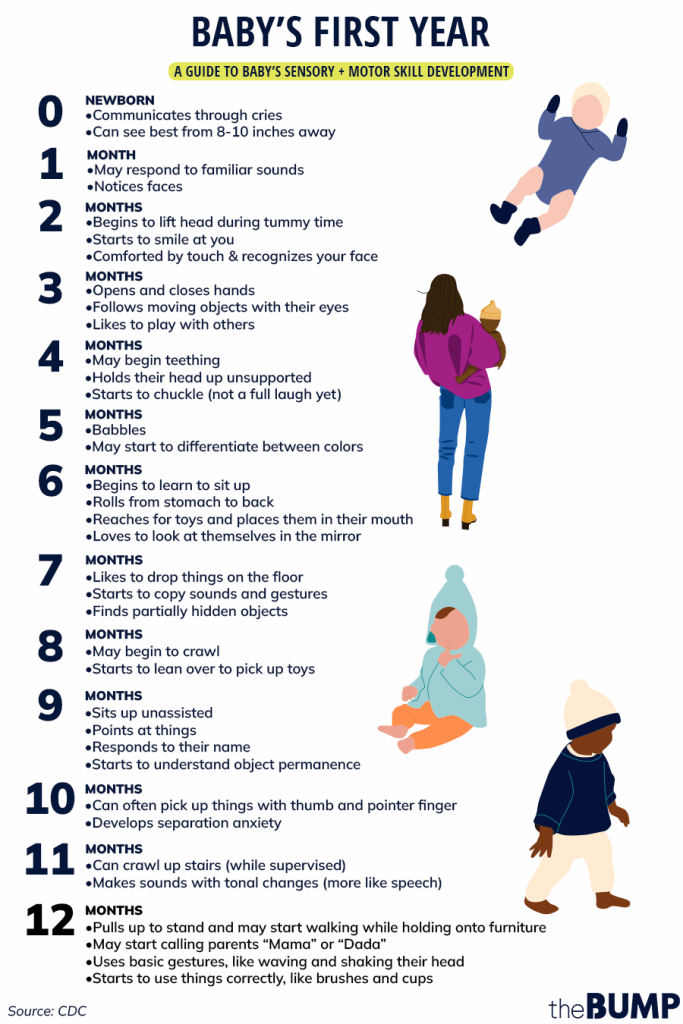
At around 3 to 4 months, babies begin to show voluntary grasping. This means they don’t just accidentally grab things—they start reaching out and holding objects on purpose. You might notice your baby grabbing a soft toy or even your finger with intent, which is a big step forward.
Encourage this by placing colorful toys within easy reach. Soft rattles or textured balls work well. You’ll see your baby’s grip improve as they practice holding and releasing.
Improved Hand-eye Coordination
By 5 to 6 months, your baby’s hand-eye coordination really takes off. They start to track moving objects and adjust their hands to catch or hold them. This skill helps your baby explore toys more actively and with greater confidence.
Try gently rolling a ball toward your baby or shaking a toy to catch their attention. Notice how their hands follow and respond. This interaction not only boosts coordination but also strengthens their curiosity and problem-solving skills.
Age-based Toy Interaction
Understanding your baby’s interaction with toys at different ages can help you choose the right items to support their growth. Age-based toy interaction highlights how babies gradually develop their motor skills and curiosity. Observing these stages allows you to encourage their progress and make playtime more meaningful.
Three To Six Months
Between three and six months, babies start to gain better control over their hands. You might notice your little one reaching out for toys and trying to grasp them, though their grip is often unsteady. This is the perfect time to offer soft, lightweight toys that are easy to hold and safe to mouth.
At this stage, toys with different textures and bright colors capture their attention quickly. You can hold a rattle or a soft teether near your baby’s hands to encourage them to grab it. Watching your baby’s excitement when they finally hold a toy is a rewarding moment—have you seen how their eyes light up when they succeed?
Six To Nine Months
From six to nine months, babies improve their hand-eye coordination and finger strength. They begin to hold toys more steadily and explore them by shaking, banging, or mouthing. This is a great time to introduce toys that respond to their actions, like stacking cups or toys with buttons that make sounds.
Your baby might start passing toys from one hand to the other and even trying to pick up smaller objects. Encouraging these activities builds fine motor skills essential for later tasks like writing. Are you ready to see your baby’s curiosity turn into confident play?
Factors Influencing Toy Holding
Understanding the factors that influence when babies start holding toys helps you support their growth more effectively. Several elements come into play, from how their bodies develop to the surroundings they are exposed to. Paying attention to these can give you clues about when your little one might reach this exciting milestone.
Physical Development
Your baby’s muscle strength and coordination play a big role in their ability to hold toys. Early on, their hands might just open and close reflexively, but as muscles strengthen, they begin to grasp intentionally. You might notice your baby starting to swipe at objects, which soon turns into a firm hold.
Each baby develops at their own pace, so don’t worry if your child takes a little longer to grab toys. Sometimes, practicing tummy time and gentle hand exercises can encourage stronger grip and better control. Have you tried offering different sized toys to see which your baby prefers holding?
Environmental Stimuli
The environment around your baby strongly affects their interest and ability to hold toys. Bright colors, varied textures, and interesting sounds can motivate your baby to reach out and grasp. If toys are placed just within reach, your baby is more likely to practice holding them.
Think about how often your baby sees others holding toys or objects. Babies learn a lot by imitation. When you hold a toy and show it to your baby, you encourage them to try it themselves.
Try creating a playful space with safe, easy-to-grip toys to see how your baby responds. Are there specific toys that seem to capture your baby’s attention more than others? Observing this can guide you in choosing the best toys to support their development.
Encouraging Toy Play
Encouraging toy play helps babies develop fine motor skills and hand-eye coordination. Playing with toys also supports cognitive growth and creativity. Early interaction with toys builds confidence and curiosity. Parents can create a fun and safe environment to inspire toy play.
Choosing Age-appropriate Toys
Select toys that match your baby’s age and abilities. Soft toys, rattles, and teething rings work well for young infants. Toys with bright colors and simple shapes attract their attention. As babies grow, introduce toys they can grasp and hold easily.
Look for toys that are safe and free from small parts. Choose items made of non-toxic materials. Avoid toys with sharp edges or loose pieces. Age labels on packaging can guide your choice.
Engaging Activities
Hold toys near your baby’s hands to encourage reaching. Gently place toys in their palm to practice grasping. Use toys that make sounds or light up to keep interest.
- Sing songs while showing the toy
- Move toys slowly to follow with eyes and hands
- Play peek-a-boo using a favorite toy
Spend short, frequent playtimes to avoid overwhelming your baby. Praise their efforts to hold and explore toys. This helps build a positive connection to play.

Credit: www.instagram.com
Signs Of Progress
Noticing the signs of progress in your baby’s ability to hold toys is both exciting and reassuring. These milestones show that their motor skills and curiosity are developing. Paying attention to these signs helps you support their growth and choose the right toys at the right time.
Improved Dexterity
One clear sign is when your baby starts to grasp objects more confidently. At first, their grip might be weak or accidental. But soon, you’ll see them hold toys firmly and even transfer them from one hand to the other.
Watch how their fingers begin to work together instead of using the whole hand. This shows better control and muscle strength. Have you noticed your baby reaching for smaller toys or trying to shake rattles? These actions mean their dexterity is improving.
Increased Interest
Your baby’s growing curiosity is a key sign they’re ready to engage with toys more. They may stare longer at colorful or noisy objects and try to grab them repeatedly. This shows they’re not just playing randomly but are interested in exploring.
Sometimes, your baby might even show frustration when a toy is out of reach or hard to hold. This eagerness signals that they want to interact and learn. What kinds of toys catch your baby’s attention the most? Noticing this helps you pick toys that encourage their development.

Credit: www.instagram.com
Frequently Asked Questions
When Do Babies Typically Start Holding Toys?
Babies usually start holding toys around 3 to 4 months old. At this age, their grip strength improves. They begin exploring objects by grasping, which helps develop motor skills and hand-eye coordination.
How Can I Encourage My Baby To Hold Toys?
Offer lightweight, colorful toys with different textures. Gently place toys in your baby’s hands. Encourage reaching and grasping by engaging with them during playtime.
What Types Of Toys Are Best For Babies Starting To Hold?
Soft, lightweight toys with varied textures and bright colors are ideal. Toys with easy-to-grip shapes like rings or rattles support early holding skills and sensory development.
Is It Normal If My Baby Delays Holding Toys?
Yes, some babies develop motor skills at different rates. If your baby isn’t holding toys by 6 months, consult a pediatrician for guidance and support.
Conclusion
Babies start holding toys around three to four months old. This skill grows as their muscles get stronger. Playing with toys helps their hands and brain develop. Each baby learns at their own speed. Offer soft, safe toys for practice.
Watching your baby grasp a toy brings joy. Keep encouraging their small steps every day. Patience and love make a big difference. Enjoy these early moments—they pass quickly. Your baby’s progress is a wonderful journey.