Have you ever wondered which Funko Pop was the very first to hit the shelves? If you’re a fan of these collectible figures or just curious about their origins, you’re in the right place.
Knowing where it all began can give you a new appreciation for your collection and even spark your next great find. Let’s dive into the story behind the first ever Funko Pop and discover how it started a global craze that you might already be a part of.
Origin Of Funko Pop
Funko Pop figures have become a staple in pop culture collectibles, with their distinctive design and wide range of characters capturing the hearts of fans worldwide. But what led to the creation of these iconic vinyl figures? Understanding the origin of Funko Pop involves exploring the company’s humble beginnings and its journey to crafting the first ever Funko Pop figure.
Founding Of Funko
Funko was founded in 1998 by toy collector Mike Becker in Snohomish, Washington. Originally, the company aimed to create low-tech, nostalgic toys that evoked a sense of childhood wonder.
Did you know the first product wasn’t a Pop? Funko’s initial success came from a line of bobbleheads, featuring characters like the Big Boy mascot. This laid the foundation for the company’s future in character-driven collectibles.
Early Product Lines
Before venturing into Pop figures, Funko experimented with various collectible items. Their bobblehead line included famous icons such as Elvis Presley and Austin Powers.
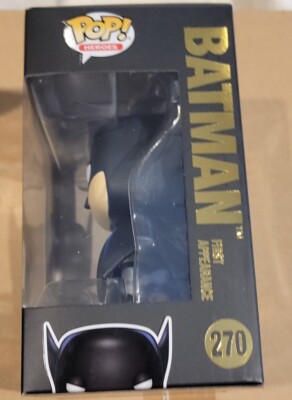
These early products demonstrated Funko’s ability to capture the essence of beloved characters in a playful, collectible format. It wasn’t until 2010 that Funko introduced the Pop line, starting with DC Comics’ Batman.
Can you imagine your favorite superhero as a tiny vinyl figure? This concept quickly gained traction, leading Funko to expand into other franchises and eventually become a household name.
Understanding the origin of Funko Pop reveals the strategic evolution from bobbleheads to the iconic Pop figures we cherish today. What character would you love to see as a Funko Pop next?

Credit: medium.com
The First Funko Pop Figure
The first ever Funko Pop figure marked the beginning of a collectible phenomenon that would capture the hearts of fans worldwide. This figure laid the foundation for a brand known for its unique style and wide range of characters. Understanding its origins gives you a glimpse into why Funko Pops became so popular.
Character Selection
The very first Funko Pop was based on the character “Vinnie the Vampire” from the company’s original “Mystery Minis” line. This choice was interesting because it wasn’t from a major movie or comic franchise, but rather a quirky, original creation. It showed that Funko’s early focus was on fun and distinct designs rather than just licensed properties.
Choosing Vinnie highlighted the brand’s willingness to take risks with lesser-known characters. It made me think—how often do you buy collectibles simply because they look cool rather than because of their popularity?
Design And Features
Vinnie the Vampire’s design set the tone for what would become the signature Funko Pop aesthetic. The figure featured an oversized head with large black eyes and a small, simplified body. This stylized look made it instantly recognizable and easy to spot on any shelf.
What stands out about the first Funko Pop is its balance of simplicity and charm. The figure’s minimalistic details allowed it to appeal to a broad audience, regardless of age or fandom. Have you noticed how this style makes the characters feel approachable and fun rather than intimidating?
Release Date
The first Funko Pop figure was released in 2010, marking a key moment for the company. It wasn’t an overnight sensation but gradually gained traction as more characters and licenses were added. This slow build reminds you that success often comes with patience and steady growth.
Thinking about the release date makes you wonder—how much has your own taste in collectibles changed over a decade? The 2010 launch was just the start of what would become a massive cultural icon.
Impact On Pop Culture
The first ever Funko Pop marked a turning point in pop culture. It brought together fans of movies, TV shows, comics, and music. This collectible toy became a symbol of fandom and identity. It changed how people connect with their favorite characters. The impact went beyond just toys—it shaped trends in entertainment and collecting.
Collector Community Growth
The launch of the first Funko Pop sparked huge interest in collecting. Fans started trading and showing off their figures online and at events. This created a strong community of collectors worldwide. People bonded over shared interests and rare finds. The Funko Pop community grew fast, making collecting more popular and social.
Influence On Toy Industry
The success of the first Funko Pop influenced other toy makers. Companies began designing figures with unique styles and themes. The focus shifted to creating collectibles with broad appeal. Funko Pop showed that toys could attract adults and fans, not just kids. This changed how the toy industry approached design and marketing.
Rarity And Value Of The First Pop
The first ever Funko Pop holds a special place in collector communities. Its rarity makes it highly sought after. Many collectors see it as a prized possession. The value of this Pop figure has grown steadily over time. Understanding its rarity and value helps appreciate its significance.
Current Market Price
The price of the first Funko Pop varies widely. It depends on condition and packaging. On average, collectors pay thousands of dollars. Some rare versions have sold for over $10,000. Prices continue to fluctuate due to demand and availability.
Factors Affecting Value
- Condition: Mint condition figures have higher value.
- Packaging: Original unopened boxes increase worth.
- Edition Size: Limited edition Pops are rarer.
- Authenticity: Verified genuine items hold more value.
- Popularity: Character or series popularity influences price.
Tips For Collecting Vintage Funko Pops
Collecting vintage Funko Pops can be a thrilling journey, but it demands careful attention and knowledge. These figures hold a special place for collectors because of their rarity and nostalgia. To protect your investment and enjoy your collection, you need smart strategies that go beyond just buying and displaying them.
Identifying Authentic Figures
Fake Funko Pops flood the market, especially for rare vintage pieces. You should carefully check the box and figure for details like the logo, paint quality, and mold precision. Genuine figures have crisp printing on the packaging, with no spelling errors or blurry images.
Look for the year stamped on the bottom of the figure’s foot or base. Authentic vintage Pops often have a manufacturing date that matches their release period. If something feels off—like unusual weight or texture—it’s worth double-checking with collector forums or official guides.
Storage And Preservation
How you store your vintage Funko Pops directly affects their condition and value. Avoid direct sunlight to prevent fading and discoloration. Use acid-free boxes or display cases to keep dust and moisture at bay.
Consider maintaining a stable temperature and humidity level to avoid warping or paint damage. If you want to display your Pops, rotating them occasionally can prevent uneven wear. Investing in protective sleeves or hard cases can save you from costly repairs later.
Credit: www.ebay.com
Evolution Of Funko Pop Designs
The evolution of Funko Pop designs shows how the brand grew and changed over time. Starting with simple, iconic figures, Funko expanded its style and details. Fans saw new shapes, sizes, and paint jobs that made each Pop unique. The designs adapted to include more characters and themes from movies, TV shows, and games.
This growth made Funko Pops not just toys but collectibles loved worldwide. Each new release brought fresh looks while keeping the classic charm. Funko Pop designs became a blend of art and pop culture, creating a vast and exciting world for collectors.
Changes Over Time
Early Funko Pops had a basic, uniform look with big heads and small bodies. The focus was on simple colors and minimal detail. As the brand grew, artists added more facial expressions and varied poses. The bodies became more detailed with textured clothing and accessories.
New materials improved durability and finish. The size range also expanded, including smaller and larger versions. This variety made the collection more interesting and appealing to different fans.
Special Editions And Variants
Funko introduced special editions to keep fans excited. These include glow-in-the-dark, metallic, and translucent versions. Limited editions often celebrate events or anniversaries, making them rare and valuable.
Variants offer small changes in color or design, creating multiple versions of one character. This strategy encourages collectors to find them all. Exclusive releases at conventions and stores add another layer of excitement.
Where To Find Early Funko Pops
Finding early Funko Pops can feel like a treasure hunt. These original figures are rare and highly sought after. Collectors often search in specific places to find authentic and well-preserved pieces. Knowing where to look helps save time and increases chances of success.
Early Funko Pops often appear in niche markets. They may show up in online auctions or at special collector events. Patience and careful research pay off in this hobby. Understanding where to find these figures makes collecting more enjoyable.
Online Marketplaces
Online marketplaces are popular spots for early Funko Pops. Websites like eBay and Mercari host many listings from collectors worldwide. These platforms offer detailed photos and seller ratings. Buyers can compare prices and condition before making a choice.
Checking listings frequently is key. New items appear daily. Using specific search terms like “vintage Funko Pop” or the character’s name helps narrow results. Some sellers provide certificates of authenticity. This adds confidence for buyers.
Collector Shows And Conventions
Collector shows and conventions attract many Funko Pop enthusiasts. These events offer chances to see and buy rare items in person. Sellers often bring unique pieces not found online. Meeting other collectors creates valuable connections.
Popular conventions include Comic-Con and Funko’s own events. Booths and tables display early Funko Pops alongside newer releases. Prices may vary but bargaining is common. Attending these shows also offers fun experiences beyond collecting.

Credit: www.reddit.com
Frequently Asked Questions
What Was The First Ever Funko Pop Released?
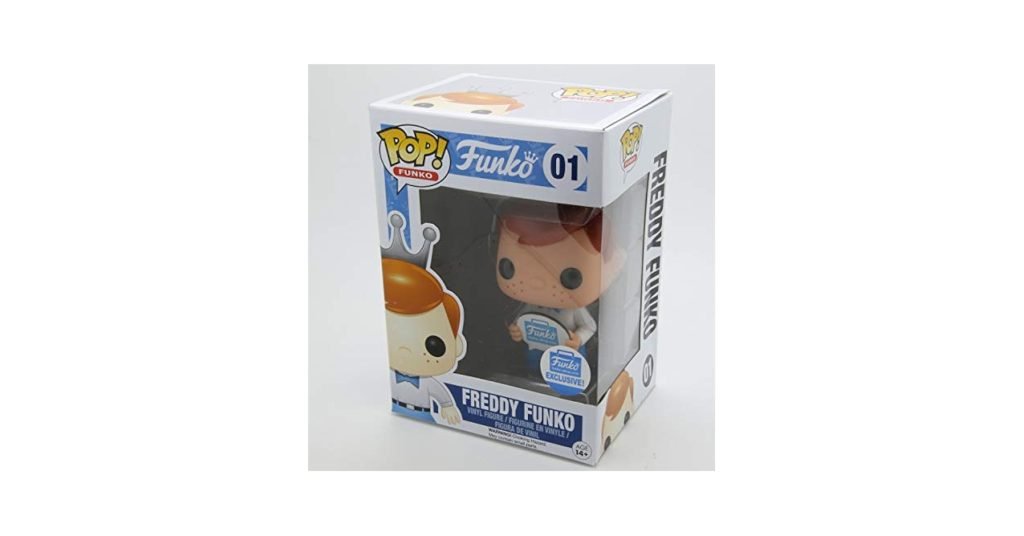
The first Funko Pop was the Freddy Funko vinyl figure. It debuted in 2010 as a mascot for Funko. Freddy Funko has become iconic among collectors. This figure kickstarted the massive popularity of Funko Pop collectibles worldwide.
When Did Funko Pop Figures First Appear?
Funko Pop figures first appeared in 2010. The brand launched with the Freddy Funko character. Since then, Funko Pop has expanded to thousands of licensed characters. The initial release marked the start of a major collectible trend.
Who Designed The First Funko Pop Figure?
The first Funko Pop was designed by Funko’s creative team. Freddy Funko was created as their company mascot. The design aimed to capture a cute, collectible appeal. This style became the signature look of all Funko Pop figures.
Why Is The First Funko Pop Important?
The first Funko Pop started the brand’s collectible craze. It established the iconic design and character style. Collectors value it as a symbol of Funko’s origin. Its release paved the way for thousands of licensed Pop figures.
Conclusion
The first ever Funko Pop started a fun collecting trend. It showed how simple toys can bring big joy. Fans love how these figures capture their favorite characters. Each new Pop tells a small story. Collectors enjoy finding rare and special editions.
Funko Pops connect people through shared interests. This first figure paved the way for many more. The fun and charm of Funko Pops will last long. A small toy with a big impact. Funko Pops remain a popular hobby worldwide.