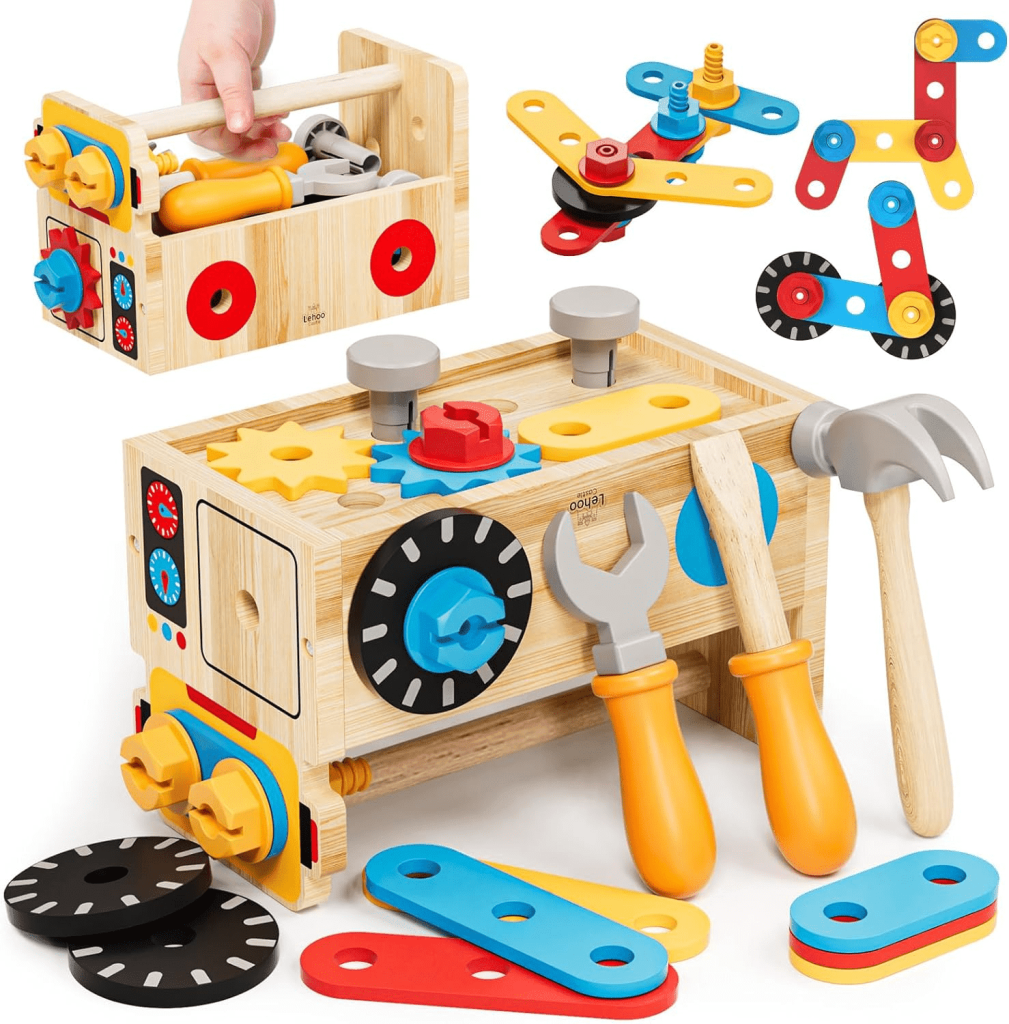
Choosing the perfect toy for your toddler can feel overwhelming. You want something that keeps your little one happy, sparks their imagination, and helps them learn.
But with so many options, how do you know what toy your toddler will actually play with? This guide will help you find toys that match your child’s age, interests, and development. Keep reading to discover simple tips and ideas that make playtime fun and meaningful for both you and your toddler.
Age-appropriate Toys
Choosing toys that match a toddler’s age helps support their growth and keeps playtime safe. Age-appropriate toys fit a child’s size, skills, and interests. Such toys encourage learning and fun without causing frustration or harm. Parents and caregivers can focus on toys that help toddlers explore the world and develop new abilities.
Safety Considerations
Toys should have no small parts that toddlers can swallow. Look for labels that show the toy is safe for the child’s age group. Materials must be non-toxic and strong enough to handle rough play. Avoid toys with sharp edges or points. Check for loose parts or strings that could cause choking or strangulation. Always supervise toddlers during playtime to prevent accidents.
Developmental Milestones
Toys can help toddlers reach key skills at each stage. For infants, toys that make noise or have bright colors attract attention and encourage sensory play. Around one year, toys that promote crawling, standing, and walking help motor skills. By age two, toys that involve stacking, sorting, and simple problem-solving support cognitive growth. Pretend play toys boost language and social skills as toddlers imitate adults.
Educational Toys
Educational toys are a fantastic way to help toddlers learn while they play. These toys encourage curiosity, problem-solving, and creativity. You’ll often notice your child’s eyes light up when they figure out how something works, and that feeling builds confidence.
Building Blocks
Building blocks are simple but incredibly powerful tools for learning. They help toddlers develop fine motor skills and hand-eye coordination as they stack and balance pieces.
Blocks also introduce early math concepts like shapes, sizes, and spatial awareness. You might see your toddler experimenting with different ways to connect blocks, which sharpens their problem-solving skills.
Have you noticed how your child’s imagination grows when they turn blocks into towers, houses, or even cars? Encouraging this kind of play can boost both creativity and logical thinking.
Musical Instruments
Musical instruments designed for toddlers are perfect for developing auditory skills and rhythm. Simple drums, xylophones, or shakers can teach cause and effect as your child learns that hitting or shaking creates sound.
Playing music together can also strengthen your bond and improve language skills through rhythm and repetition. Have you tried joining your toddler in a mini jam session? It’s fun and educational at the same time.
Musical play encourages listening, patience, and coordination. Plus, it’s a great way to introduce your toddler to new sounds and cultures, broadening their understanding of the world.
Creative Play Options
Creative play options spark your toddler’s imagination and help develop essential skills. Choosing the right toys can encourage problem-solving, fine motor skills, and self-expression. Let’s look at two standout choices that bring creativity to life in fun, hands-on ways.
Art Supplies
Art supplies are a fantastic way for toddlers to explore colors, shapes, and textures. Simple items like crayons, washable markers, and finger paints give your child a safe space to experiment. Watching your toddler mix colors and create their own designs can reveal their unique perspective.
What’s great about art supplies is how they grow with your child. Start with big, easy-to-grip crayons, then add brushes and stamps as their coordination improves. You’ll notice how these tools boost concentration and patience, skills that matter beyond art time.
Dress-up Kits
Dress-up kits turn your toddler’s world into a stage for storytelling and role-playing. Costumes, hats, and accessories invite your child to try new roles and express different emotions. This kind of play helps build empathy and social understanding early on.
Look for kits that include a variety of outfits and props to keep things interesting. Your toddler might be a firefighter one day and a chef the next. How does pretending to be someone else change the way your child sees the world around them?

Credit: www.amazon.com
Active Play Toys
Active play toys are essential for toddlers to develop their physical skills and burn off energy. These toys encourage movement, coordination, and balance, which are crucial during early childhood. Choosing the right active play toy can turn playtime into a fun workout that builds confidence and strength.
Ride-on Toys
Ride-on toys give toddlers a sense of independence and adventure. They help improve balance and coordination while providing endless fun. Whether it’s a small scooter, a classic tricycle, or a foot-powered car, these toys invite your child to explore their surroundings actively.
Look for ride-on toys with sturdy wheels and easy-to-grip handles. Some models even come with adjustable seats to grow with your toddler. Have you noticed how your child’s face lights up the moment they start pushing themselves forward? That excitement fuels their desire to keep moving.
Ball Games
Ball games are simple yet highly effective for active play. Throwing, catching, and kicking balls help toddlers develop hand-eye coordination and motor skills. Plus, balls are versatile—you can play solo or with others, indoors or outdoors.
Start with soft, lightweight balls to keep play safe and enjoyable. Try rolling a ball back and forth or kicking it gently to encourage interaction. How often do you pause to watch your toddler’s focused expression when they master a new throw or kick? Moments like these show how active play toys teach persistence and joy.
Interactive Learning Toys
Interactive learning toys boost toddlers’ skills through fun activities. These toys engage senses and promote early learning. They encourage curiosity and help develop fine motor skills and problem-solving. Playtime becomes a chance to explore new ideas and learn basic concepts.
Electronic Gadgets
Electronic learning toys often have lights, sounds, and buttons. Toddlers learn cause and effect by pressing keys or touching screens. These gadgets teach numbers, letters, shapes, and colors with simple games. They make learning feel like play. Many devices adapt to the child’s skill level to keep challenges just right.
Storytelling Devices
Storytelling toys read stories aloud or tell tales with interactive features. These devices improve language skills and listening. Toddlers hear new words and practice understanding story flow. Some toys let children choose story paths or sounds, making stories more engaging. They inspire imagination and love for books early on.

Credit: www.amazon.com
Outdoor Play Essentials
Outdoor play is vital for toddlers. It helps them explore nature and develop skills. Choosing the right toys encourages physical activity and creativity. Simple, safe toys make outdoor time fun and educational.
Sand And Water Play
Sand and water toys are perfect for sensory play. Toddlers enjoy digging, pouring, and splashing. These activities improve hand-eye coordination and fine motor skills. Basic toys include buckets, shovels, and molds. Water tables or small sandboxes create a great play area. Parents should ensure clean water and sand for safety.
Garden Tools
Child-sized garden tools inspire curiosity about plants. Small rakes, shovels, and watering cans work well. Toddlers learn about nature and responsibility. Gardening also promotes physical movement and outdoor exploration. Using real tools under supervision builds confidence and skills.
Social Play Toys
Social play toys are essential for toddlers as they encourage interaction, communication, and teamwork. These toys help little ones learn how to share, take turns, and understand emotions in group settings. Choosing the right social play toy can boost your toddler’s confidence and make playtime more meaningful.
Board Games
Board games designed for toddlers often focus on simple rules and bright visuals to keep them interested. Games like “Candy Land” or “First Orchard” introduce basic concepts such as color recognition and counting. Playing these games together helps your child practice patience and cooperation.
Have you noticed how toddlers light up when they win or feel proud to follow the rules? That sense of achievement is a big part of social learning. Plus, board games are a great way to bond as a family while teaching important social skills.
Role-playing Sets
Role-playing sets, such as kitchen kits or doctor’s tools, invite toddlers to imitate adults and explore different social roles. These toys spark imagination and help kids practice conversation and problem-solving in a safe environment. Watching your child take on different roles reveals how they understand the world around them.
Consider how your toddler reacts when they play “house” or “school.” They’re not just having fun—they’re learning empathy and cooperation. Offering a variety of role-playing toys gives your child chances to express themselves and connect with others more deeply.

Credit: www.amazon.com
Frequently Asked Questions
What Toys Are Best For Toddler Development?
Best toys for toddlers support motor skills, creativity, and problem-solving. Look for blocks, puzzles, and shape sorters that engage their senses and encourage exploration.
How Do Toddlers Choose Toys To Play With?
Toddlers pick toys based on bright colors, sounds, and interactive features. They prefer toys that offer simple challenges and allow them to imitate adults or animals.
Are Educational Toys Suitable For Toddlers?
Yes, educational toys are ideal for toddlers. They promote learning through play and help develop language, cognitive, and fine motor skills effectively.
What Safety Features Should Toddler Toys Have?
Toddler toys should be non-toxic, free of small parts, and durable. Always check for age-appropriate labels and avoid sharp edges or choking hazards.
Conclusion
Choosing the right toy helps toddlers learn and have fun. Simple toys often spark the most joy and creativity. Toddlers enjoy toys that match their growing skills and curiosity. Parents should watch what interests their child the most. Safe, colorful, and easy-to-handle toys work best.
Playtime builds important skills like thinking and moving. Every child is different, so trust your own judgment. Happy play leads to happy toddlers and happy homes.