Are you wondering what exactly makes a toy a STEM toy? You might have seen these toys everywhere, promising to boost your child’s skills in science, technology, engineering, and math.
But not every toy with a cool gadget or colorful pieces truly counts as STEM. Understanding what qualifies as a STEM toy can help you choose the best ones to spark curiosity and learning in your child. Keep reading, and you’ll discover the key features that set genuine STEM toys apart—and why they matter for your child’s growth.
Key Features Of Stem Toys
Stem toys have become a staple in educational play, offering children a chance to explore concepts in science, technology, engineering, and math. But what exactly qualifies as a Stem toy? Understanding the key features can help you make the best choice for fostering your child’s learning and development.
Focus On Science And Math
Stem toys are designed to introduce children to the principles of science and math in a fun and engaging way. Whether it’s a chemistry set or a math puzzle, these toys help kids grasp fundamental concepts. Imagine your child conducting simple experiments or solving math challenges; these activities not only enhance their understanding but also spark a genuine interest in these subjects.
Promotes Problem Solving
One of the most valuable skills stem toys offer is the ability to solve problems. Toys like building kits or logic games push kids to think critically and find solutions. Have you ever watched a child figure out how to piece together a complex puzzle? The satisfaction they feel when they succeed is a testament to the problem-solving skills they’re developing.
Encourages Creativity
Stem toys often come with the freedom to explore and create. Whether constructing a model or designing a unique gadget, these toys encourage kids to use their imagination. When was the last time you saw your child create something entirely new from their play set? This creative process is vital for innovation and personal expression.
Hands-on Learning Experience
Stem toys offer an interactive approach to learning, allowing children to engage directly with the materials. From robotics kits to DIY electronics, the tactile experience is crucial for understanding complex ideas. Consider a child building a robot and programming it to move; such hands-on learning not only builds technical skills but also instills confidence in their abilities.

Credit: parade.com
Types Of Stem Toys
STEM toys come in many forms, each designed to engage different skills and interests. Understanding the types of STEM toys can help you choose the right one for your child or even for yourself. These toys make learning fun and practical, encouraging hands-on exploration.
Building And Construction Sets
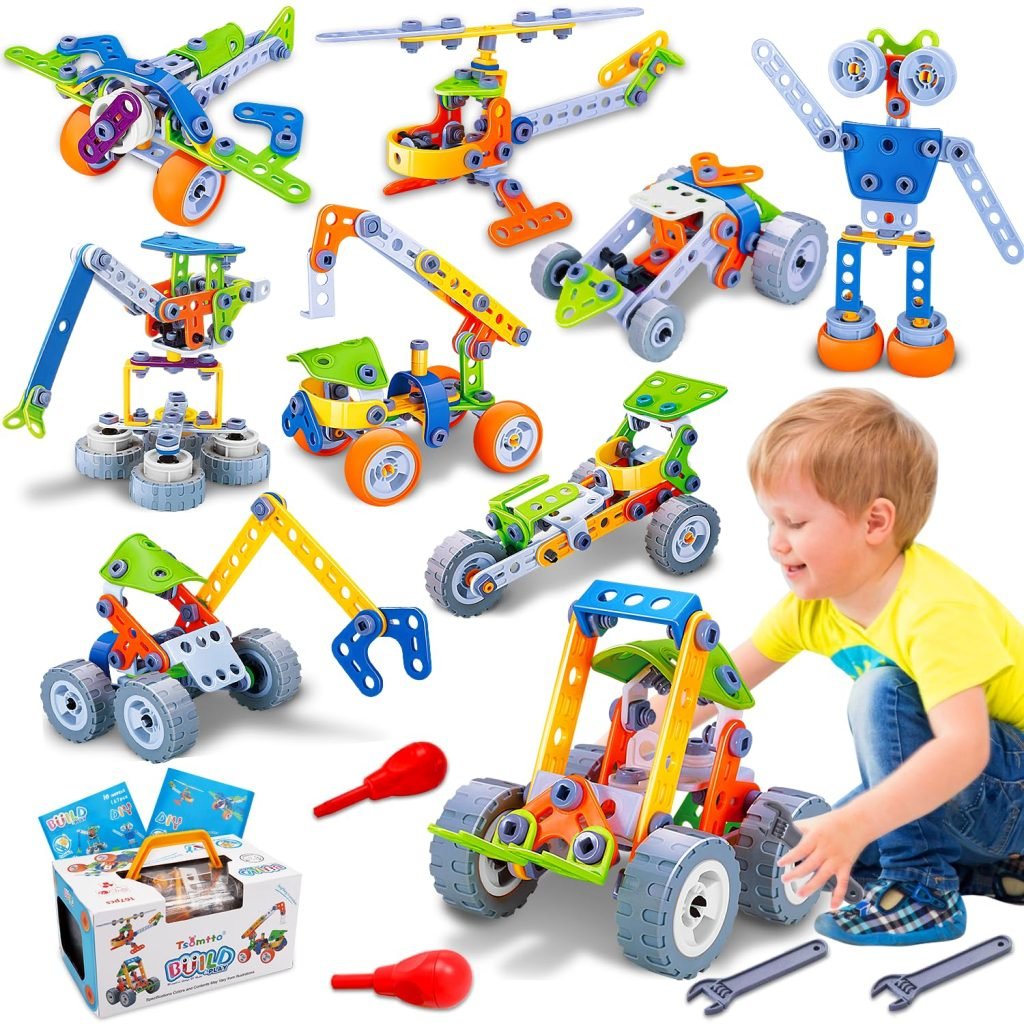
Building and construction sets are classic STEM toys that boost creativity and engineering skills. They let you create everything from simple shapes to complex structures using blocks, rods, or connectors. Think about how playing with LEGO bricks can teach spatial awareness and problem-solving.
These sets often come with challenges or guides, helping you learn through trial and error. Have you noticed how kids get deeply focused when trying to build something stable? That focus helps develop patience and critical thinking.
Robotics Kits
Robotics kits bring technology and mechanics together in a fun way. You get to build robots and program them to perform tasks, combining hands-on building with coding skills. This type of toy makes abstract programming concepts concrete and easy to grasp.
Robotics kits come in various difficulty levels, so both beginners and advanced users find something suitable. Imagine the satisfaction of seeing a robot you built respond to commands—it’s a powerful learning moment. What tasks would you program your robot to do?
Coding Games And Tools
Coding games and tools teach programming logic through interactive play. They often use simple visual languages or puzzles to introduce you to sequencing, loops, and conditionals. This approach makes coding accessible without needing prior experience.
Many coding toys include apps or online platforms, combining screen time with learning. Have you tried games where you guide a character by writing code? These experiences develop logical thinking and problem-solving in a playful way.
Math And Logic Puzzles
Math and logic puzzles sharpen reasoning skills by challenging you to think critically and strategically. These toys range from Sudoku and pattern blocks to more complex brain teasers. They encourage you to find multiple solutions and understand relationships between numbers and shapes.
Working on these puzzles can improve your ability to analyze problems step-by-step. What puzzle last made you pause and rethink your approach? That moment of insight is exactly what STEM toys aim to create.
Age Appropriateness
Age appropriateness is key when choosing a STEM toy. Kids develop skills at different rates, so a toy that excites a toddler might bore a teen. Selecting the right level challenges your child without causing frustration or disinterest.
Toys For Toddlers
Toddlers are just beginning to explore cause and effect. Look for toys that encourage simple problem-solving and sensory play. Blocks with different shapes and colors, basic puzzles, or stacking cups work well at this stage.
These toys build fine motor skills and hand-eye coordination. Your child will enjoy experimenting with how pieces fit or balance. Have you noticed how toddlers light up when they discover they can stack blocks higher than before?
Options For Elementary Kids
Elementary-aged children can handle more complex concepts like basic coding, building circuits, or simple machines. Kits that allow them to build robots, explore magnets, or create slime with scientific reactions are great choices.
Look for toys that come with easy-to-follow instructions but also encourage creativity and open-ended play. This balance keeps kids engaged and helps them build confidence. How do you see your child’s curiosity grow when they successfully complete a challenging project?
Choices For Teens
Teens are ready for sophisticated STEM toys that require critical thinking and deeper understanding. Robotics kits, advanced coding platforms, or electronics sets with real-world applications fit well here.
These toys often involve programming, engineering design, or scientific experimentation. They can prepare teens for future careers or hobbies. Have you explored what sparks your teen’s passion in STEM by observing the projects they choose to dive into?

Credit: littlepartners.com
Materials And Safety
Materials and safety are key to choosing the right STEM toy. These toys must be safe for children to use. They should not contain harmful chemicals or break easily. Quality materials ensure the toy lasts through many uses. Safety features protect kids during play. Parents need to check these factors carefully.
Non-toxic Components
STEM toys should use non-toxic materials only. Paints, plastics, and adhesives must be free from lead and harmful chemicals. This prevents health risks like poisoning or allergies. Non-toxic components keep children safe even if they put toys in their mouths. Always choose toys labeled as non-toxic for peace of mind.
Durability And Quality
Durable STEM toys withstand rough handling and last longer. High-quality materials like sturdy plastic, wood, or metal are best. These toys do not break into small, sharp pieces. Quality also means smooth edges and secure parts. Well-made toys support repeated learning and play without damage.
Safety Certifications To Look For
Safety certifications show a toy meets strict safety rules. Common certifications include:
- ASTM F963 (USA)
- EN71 (Europe)
- CPSC compliance
- CE marking
These marks mean the toy passed tests for choking hazards, toxic substances, and durability. Checking for certifications helps find safe, reliable STEM toys for children.
Benefits Beyond Play
STEM toys offer more than just entertainment. They shape how kids think, work with others, and see the world around them. The benefits stretch far beyond simple play, influencing skills that last a lifetime.
Boosting Critical Thinking
STEM toys challenge your child to solve problems on their own or in new ways. This pushes them to analyze situations, test ideas, and learn from mistakes. When they figure out how to build a bridge or program a robot, they sharpen their decision-making skills.
Have you noticed how a child puzzles over a tricky construction set? That moment of hesitation is actually their brain working hard to connect ideas. This kind of thinking prepares them for real-world challenges where there’s no single right answer.
Enhancing Collaboration Skills
Many STEM toys invite teamwork. Children share ideas, negotiate roles, and combine strengths to achieve goals. This helps them practice communication and respect for others’ viewpoints.
Think about a group project where kids design a simple machine. They must listen, adapt, and contribute equally. These experiences build social skills that are valuable in school and beyond.
Fostering Long-term Interest In Stem Fields
Introducing STEM concepts through play can spark curiosity that lasts into adulthood. Early positive experiences with technology and science often lead to a desire to learn more. Kids who enjoy building or experimenting are more likely to pursue STEM studies later on.
Have you ever seen a child’s eyes light up when their invention works? That excitement can turn into a passion for engineering or coding. Supporting these moments helps nurture future innovators right at home.
Tips For Choosing The Right Stem Toy
Choosing the right STEM toy matters for a child’s learning and fun. A good toy sparks curiosity and builds skills. It should fit the child’s age and interests. Safety and educational value are also important. Use these tips to find a toy that truly helps a child grow.
Aligning With Child’s Interests
Pick toys that match what the child likes. Interest keeps them engaged and excited to explore. Notice if they enjoy building, science, or puzzles. A toy about space might thrill a child who loves stars. Matching interests helps learning feel like play.
Considering Educational Value
Choose toys that teach clear STEM concepts. Look for ones that explain simple ideas well. Toys with instructions or guides add learning support. They should encourage problem-solving and creativity. Avoid toys that only focus on fun without learning.
Checking For Skill Progression
Select toys that grow with the child’s skills. Good STEM toys offer levels from easy to hard. This helps keep the challenge right for their age. Toys with parts that can be combined in new ways work well. They allow children to build on what they know.

Credit: edufuntechnik.com
Frequently Asked Questions
What Defines A Toy As A Stem Toy?
A STEM toy promotes learning in science, technology, engineering, or math. It encourages problem-solving and creativity through hands-on activities. These toys support educational development and critical thinking skills in children.
Why Are Stem Toys Important For Children?
STEM toys foster curiosity and enhance cognitive skills. They prepare kids for future careers in science and technology. These toys make learning fun and engaging, promoting long-term academic success.
How Do Stem Toys Differ From Regular Toys?
STEM toys focus on educational value, teaching specific STEM concepts. Regular toys primarily provide entertainment without targeted learning goals. STEM toys combine play with skill-building in key academic areas.
What Age Group Benefits Most From Stem Toys?
STEM toys are designed for all ages, from toddlers to teens. Age-appropriate STEM toys develop relevant skills progressively. Early exposure boosts confidence and interest in STEM fields.
Conclusion
STEM toys help children learn science, technology, engineering, and math. They encourage creativity, problem-solving, and critical thinking. A good STEM toy is fun and educational at the same time. It challenges kids to explore and discover new ideas. Choosing the right toy supports a child’s growth and skills.
Simple designs can teach big concepts. Play becomes a way to learn without pressure. STEM toys build a strong foundation for future learning. Every child can benefit from hands-on learning tools like these.