Have you ever wondered what a STEM toy really means and why so many parents and educators are talking about them? If you want to give your child a fun way to learn important skills like science, technology, engineering, and math, understanding STEM toys is key.
These toys aren’t just playthings—they can spark curiosity, boost creativity, and build problem-solving skills that last a lifetime. Keep reading, and you’ll discover exactly what makes STEM toys special and how they can make a difference in your child’s growth.

Credit: www.facebook.com
Stem Toy Basics
STEM toys are designed to spark curiosity and foster learning in Science, Technology, Engineering, and Mathematics. They offer hands-on experiences that blend fun with educational value. Engaging with STEM toys can enhance problem-solving skills and encourage creativity in children.
Key Components
Every STEM toy is built around key components that aim to stimulate learning. These components often include interactive elements like puzzles and kits. Look for toys that promote active engagement and challenge children to think critically.
Educational content is a core component of STEM toys, ensuring that playtime is also a learning opportunity. Many toys come with instructions or guides that introduce concepts and encourage exploration.
Durability and safety are essential. A well-constructed STEM toy withstands the rigors of play while maintaining safety standards. Ensure toys are age-appropriate and have passed necessary safety checks.
Types Of Stem Toys
STEM toys come in various forms, each targeting different skills and interests. Building kits, like LEGO Technic sets, teach engineering principles and spatial awareness. They allow children to create structures and understand mechanics.
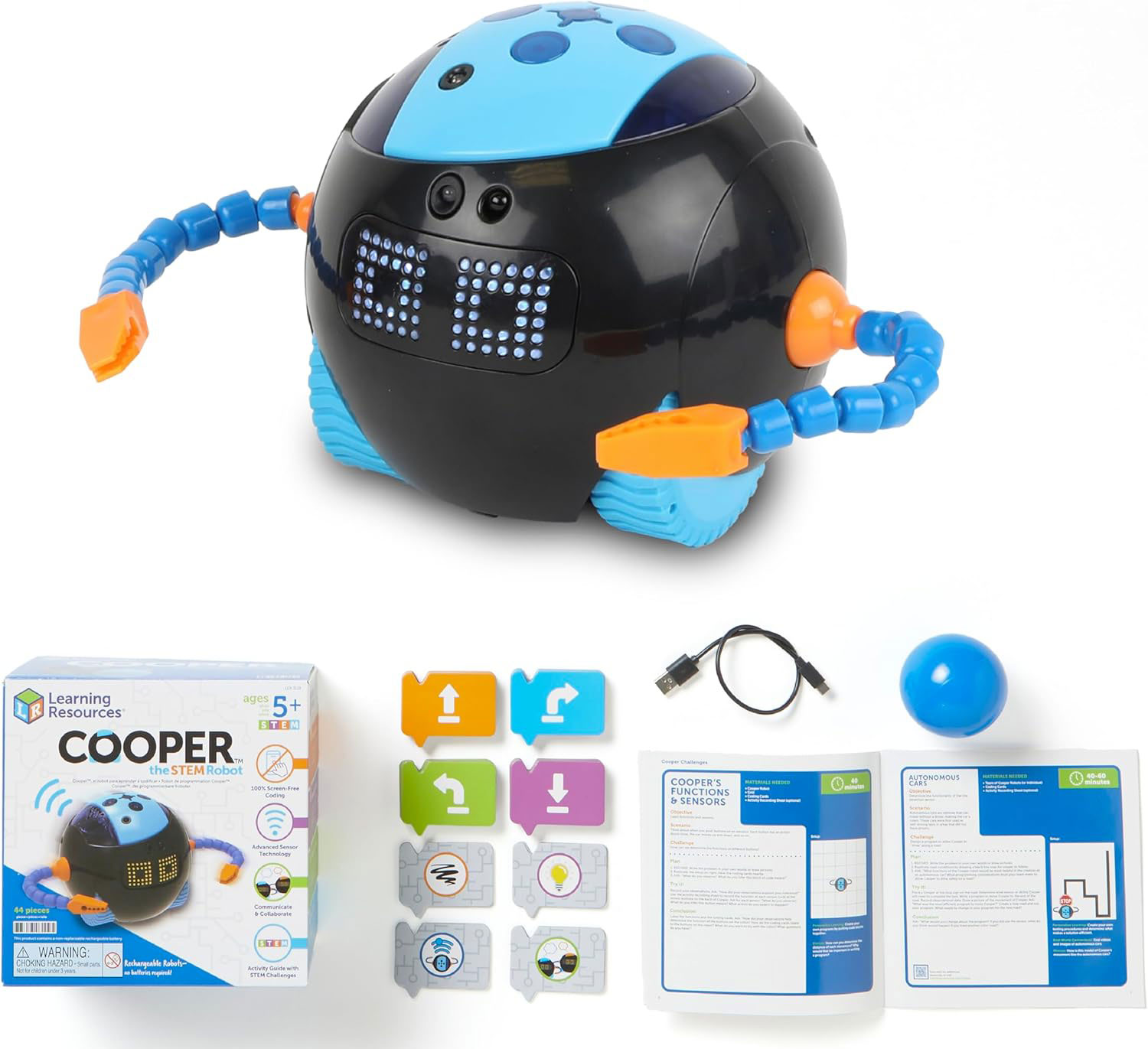
Robotics kits provide hands-on experience with programming and technology. These kits often include programmable robots that children can control, fostering an understanding of coding and electronics.
Science kits explore scientific concepts through experiments. Kits often include materials for chemistry or physics experiments, making learning tangible and exciting.
Mathematical toys, such as abacus or number puzzles, enhance numerical skills. These toys make abstract concepts concrete, aiding in the development of math proficiency.
Have you ever wondered which STEM toy would best suit your child’s interests? Exploring different types can uncover new passions and strengths.
Creativity Boosts
Creativity is the heart of STEM toys, sparking new ideas and fresh perspectives in young minds. These toys are designed to go beyond simple play—they invite you to experiment, build, and invent. This hands-on approach helps you develop a creative mindset that lasts well beyond childhood.
Encouraging Imagination
STEM toys give you the freedom to imagine without limits. Instead of following strict instructions, you get to create your own designs and solutions. This kind of play encourages you to think about what could be possible, not just what is given.
Imagine building a robot that can perform a task you invent. How does it move? What tools does it need? These questions push your imagination to new heights and make playtime a creative adventure.
Problem-solving Skills
Every STEM toy presents a challenge waiting to be solved. When you try different approaches and learn from mistakes, you sharpen your problem-solving skills. This practice helps you become confident in facing real-world problems.
Consider a construction set that doesn’t quite hold together as expected. You have to figure out why and find a better way to connect the pieces. This trial-and-error process trains your mind to analyze problems and test solutions effectively.
Learning Advantages
Understanding the learning advantages of STEM toys can change how you view playtime. These toys do more than entertain; they actively develop skills that matter for the future. Let’s look at how they boost critical thinking and build solid STEM knowledge.
Enhancing Critical Thinking
STEM toys challenge you to solve problems step-by-step. You might need to figure out how pieces fit or why a design doesn’t work as expected. This process sharpens your ability to analyze and think logically.
When I helped my niece with a robotics kit, she kept trying different solutions until the robot moved correctly. That trial-and-error taught her resilience and how to approach problems with patience. Can you remember a time when solving a tricky puzzle made you feel more confident?
- Encourages asking “why” and “how” questions
- Promotes experimentation and testing ideas
- Builds skills in making decisions based on evidence
Building Stem Knowledge
STEM toys introduce you to basic concepts in science, technology, engineering, and math in a hands-on way. Instead of just reading about circuits or structures, you get to create and explore them yourself.
Playing with a simple electronic kit, you learn how electricity flows and powers devices. This concrete experience helps you remember concepts better than just listening or reading. What STEM topic are you most curious to explore through play?
- Teaches foundational principles through real-world applications
- Encourages curiosity about how things work
- Prepares you for more advanced learning in STEM fields
Credit: www.techadvisor.com
Age-appropriate Picks
Choosing the right STEM toy means matching it perfectly to your child’s age and abilities. Age-appropriate picks ensure your child stays engaged without feeling frustrated or bored. It’s about finding that sweet spot where learning feels like play, not work.
Toys For Toddlers
Toddlers are just beginning to explore their world, so STEM toys for this age group should be simple and safe. Look for toys that encourage basic skills like stacking, sorting, and recognizing shapes or colors.
Building blocks with large pieces are fantastic because they help develop fine motor skills and hand-eye coordination. A toy like a shape sorter introduces problem-solving gently, allowing toddlers to experiment without pressure.
Have you noticed how toddlers love pressing buttons or moving levers? Toys that react to their actions, like musical instruments or simple cause-and-effect gadgets, can spark curiosity and early scientific thinking.
Options For Older Kids
As kids grow, their cognitive skills become more complex, so their STEM toys should challenge them accordingly. Think about kits for building circuits, coding games, or robotic sets that require planning and logical thinking.
Older kids enjoy toys that let them create and experiment with real-world concepts. A chemistry set or a solar-powered car model can turn abstract ideas into hands-on discovery, keeping their interest alive.
Do you want your child to develop perseverance and problem-solving skills? Toys that offer multi-step challenges help build patience and strategic thinking, turning playtime into a powerful learning experience.
Choosing The Right Stem Toy
Choosing the right STEM toy can shape a child’s learning experience. It helps develop skills in science, technology, engineering, and math. The perfect toy matches the child’s age and interests. It should also be safe and educational. This ensures hours of fun and meaningful learning.
Safety Considerations
Safety is the top priority when picking a STEM toy. Check for non-toxic materials and sturdy construction. Avoid small parts for young children to prevent choking hazards. Look for toys that meet safety standards like ASTM or CE. Read product labels carefully. Choose toys with smooth edges and no sharp points.
Educational Value
STEM toys should challenge a child’s thinking and creativity. Pick toys that encourage problem-solving and exploration. Toys that teach basic concepts in science or math work well. Some toys include building blocks, coding kits, and science experiments. The best toys grow with the child’s skills and keep them interested.

Credit: www.amazon.com
Stem Toys And Social Skills
STEM toys not only boost thinking and creativity but also help build social skills. These toys invite children to work together and share ideas. Social skills grow naturally during play with others. Kids learn to listen, explain, and solve problems as a team. This makes STEM toys valuable beyond just education.
Collaborative Play
STEM toys encourage kids to play in groups. They often require teamwork to complete tasks or projects. Children share roles and responsibilities. This helps them understand cooperation and respect. Through collaborative play, kids learn to negotiate and take turns. They see how different ideas can lead to better results. Group play with STEM toys builds trust and friendships.
Communication Development
Talking about STEM tasks helps children improve language skills. Kids explain their thoughts and listen to others. They ask questions and give clear instructions. This practice boosts vocabulary and confidence. STEM toys create chances for meaningful conversations. Children learn to express ideas simply and clearly. Good communication skills from play support success in school and life.
Incorporating Stem Toys At Home
Incorporating STEM toys at home helps children explore science, technology, engineering, and math in fun ways. These toys encourage problem-solving and creativity. They make learning hands-on and interactive. Parents can support growth by setting up the right environment and managing playtime.
Creating Learning Spaces
Set up a special area for STEM toys. This space should be quiet and well-lit. Use shelves or bins to organize toys neatly. Make sure the space is safe and easy to access. Encourage kids to explore and build without distractions. A dedicated spot helps children focus and enjoy learning.
Balancing Screen Time
Limit time spent on digital devices. Use STEM toys as an active alternative. Mix hands-on play with screen activities. Set clear rules for when and how long screens can be used. Encourage children to try building, experimenting, or solving puzzles instead. This balance supports healthy learning habits and creativity.
Frequently Asked Questions
What Does Stem Toy Mean For Children’s Learning?
STEM toys promote learning in science, technology, engineering, and math. They encourage problem-solving, creativity, and critical thinking skills in kids.
How Do Stem Toys Benefit Child Development?
STEM toys enhance cognitive skills, hand-eye coordination, and logical reasoning. They prepare children for future careers in STEM fields by making learning fun and interactive.
Are Stem Toys Suitable For All Age Groups?
Yes, STEM toys come in various difficulty levels, designed for toddlers to teens. Age-appropriate toys ensure safe, engaging learning experiences for every child.
Why Are Stem Toys Important In Early Education?
STEM toys foster curiosity and foundational skills early on. They build confidence in children to explore and understand complex concepts through play.
Conclusion
STEM toys help children learn science, technology, engineering, and math. They make learning fun and hands-on. Kids build skills while they play. These toys encourage curiosity and problem-solving. Choosing the right STEM toy can support growth and creativity. Play becomes a way to explore new ideas.
STEM toys prepare kids for future challenges. They inspire a love for learning early on. Simple toys can teach big lessons. STEM toys are a smart choice for any child.