Have you ever wondered how you can make learning fun and exciting for your child? Stem educational toys might be the answer you’re looking for.
These toys don’t just entertain—they help your child develop important skills in science, technology, engineering, and math. Imagine giving your child a toy that sparks curiosity, creativity, and problem-solving all at once. Curious to know how these toys work and why they matter?
Keep reading, and you’ll discover how Stem educational toys can transform playtime into a powerful learning experience.
The Concept Of Stem Toys
STEM toys focus on four key areas: science, technology, engineering, and mathematics. They help children learn by doing and exploring. These toys encourage curiosity and problem-solving skills. Kids learn important concepts in fun, hands-on ways.
STEM toys are designed to make learning active. Instead of just reading or watching, children build, create, and experiment. This approach helps them understand how things work in real life. It also develops critical thinking and creativity.
The Four Pillars Of Stem Toys
- Science:Toys that explore nature, physics, chemistry, and biology.
- Technology:Tools that teach coding, electronics, and digital skills.
- Engineering:Kits for building structures, machines, and robots.
- Mathematics:Games and puzzles that improve logic and number skills.
How Stem Toys Support Learning
- Encourage exploration and discovery.
- Promote hands-on activities.
- Build problem-solving abilities.
- Improve focus and patience.
- Make abstract ideas easier to understand.
Who Benefits From Stem Toys?
- Children of all ages, from toddlers to teens.
- Parents seeking educational playtime.
- Teachers using interactive lessons.
- Anyone wanting to develop new skills.
Credit: www.amazon.com
Benefits For Child Development
STEM educational toys help children grow in many ways. They support key skills that children use every day. These toys make learning fun and active. Kids learn by doing, building, and exploring. This kind of play supports brain development and prepares children for future challenges.
Enhancing Problem-solving Skills
STEM toys encourage kids to find solutions on their own. They face puzzles and challenges that need thinking. This practice improves their ability to solve problems quickly. Children learn to try different ways until they succeed. These toys build patience and persistence as well.
Fostering Creativity
Creativity grows when children use STEM toys. These toys invite kids to imagine and create new things. They combine colors, shapes, and ideas freely. Playing with STEM toys helps children think outside the box. This skill is important for all areas of life.
Building Critical Thinking
STEM toys help children analyze and understand situations. Kids learn to ask questions and make decisions. They compare options and think about results. This process strengthens their critical thinking abilities. It helps children become careful and smart thinkers.
Popular Types Of Stem Toys
STEM educational toys come in many shapes and sizes, each designed to spark curiosity and build skills in science, technology, engineering, and math. Knowing the popular types of STEM toys can help you choose the right one to match your child’s interests and learning style. Let’s look at some of the favorites that children and parents love alike.
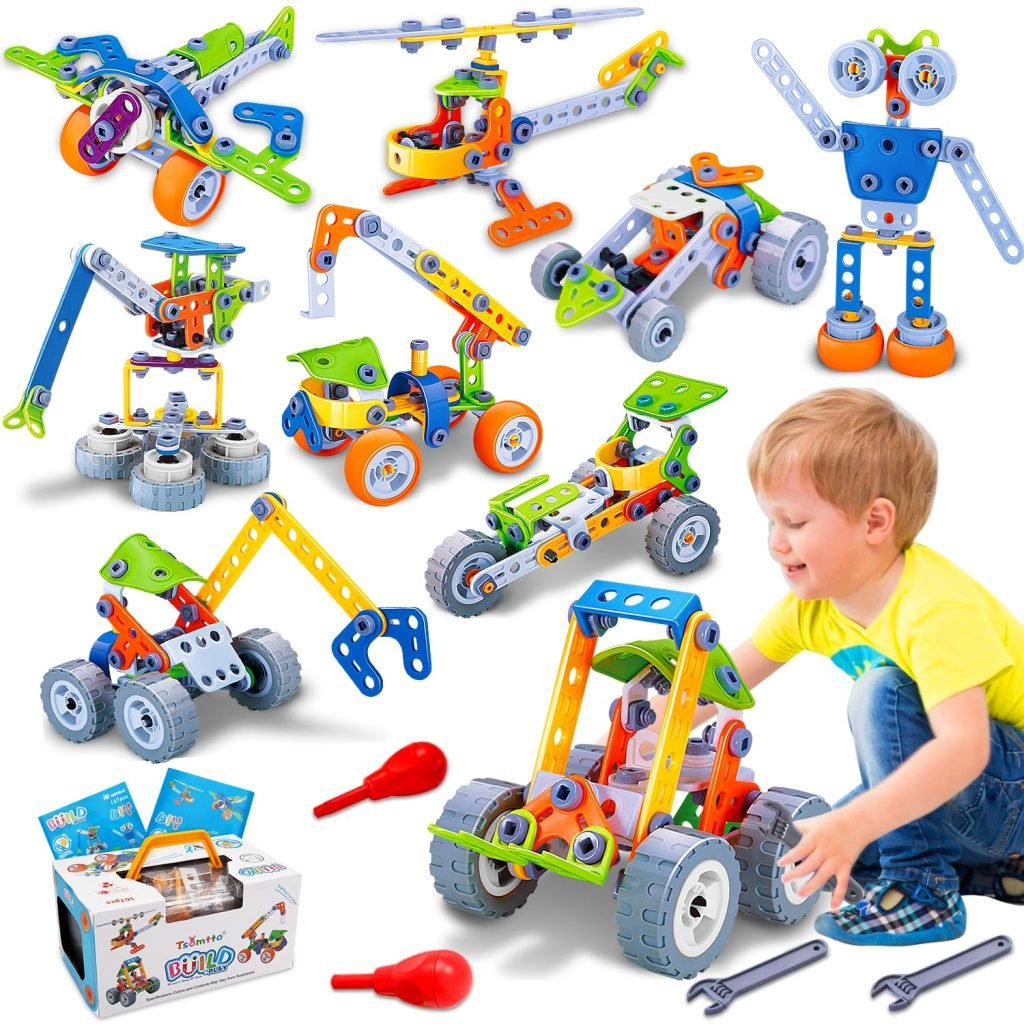
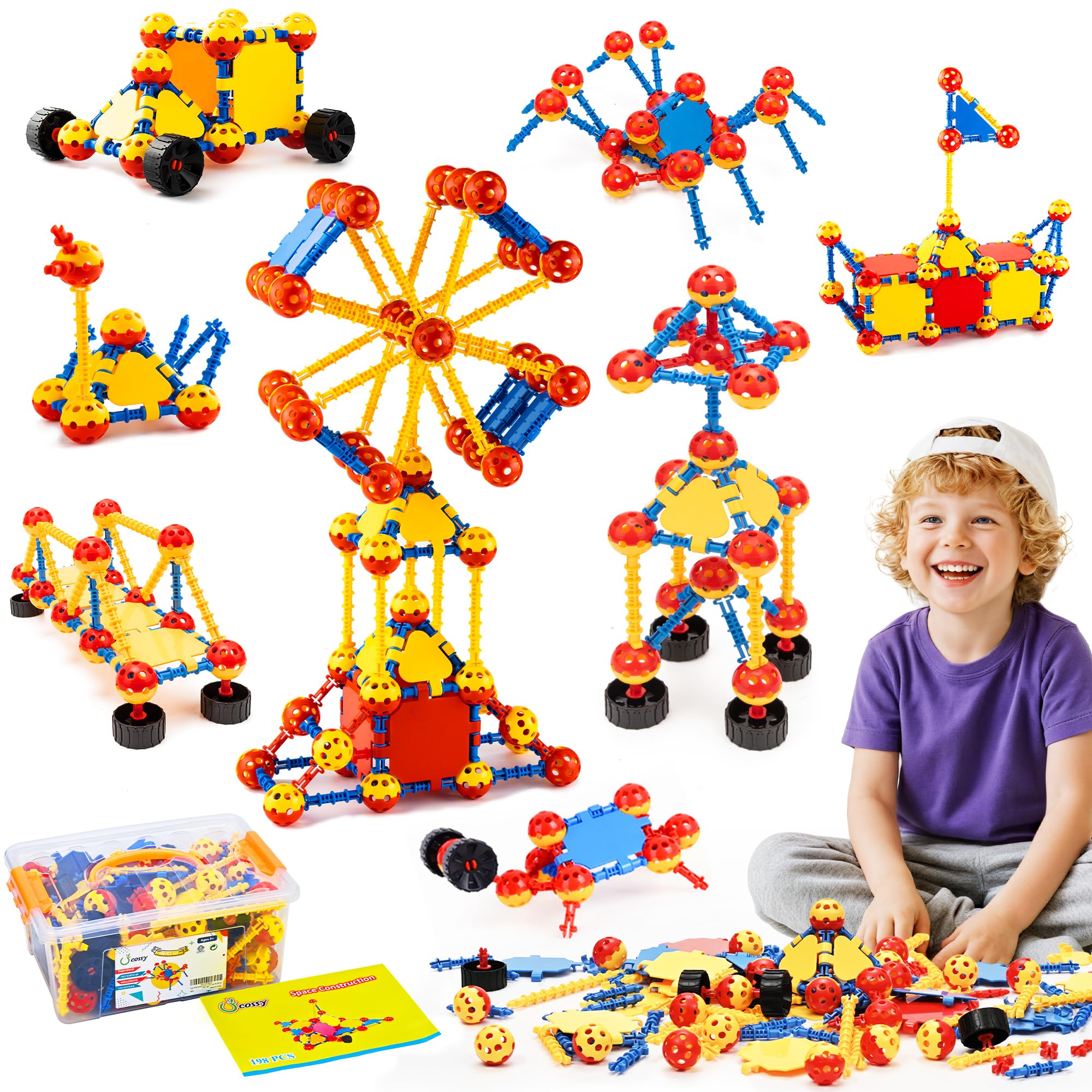
Engineering Kits
Engineering kits let kids build and create with real parts like gears, bolts, and beams. These kits teach problem-solving as children figure out how to assemble structures or machines.
For example, building a bridge or a simple motor encourages hands-on learning and critical thinking. Have you noticed how kids often get deeply focused on these projects? That concentration boosts both patience and creativity.
Robotics And Coding Toys
Robotics toys bring programming to life by allowing kids to control moving robots. These toys often come with easy-to-use coding platforms that help beginners learn commands step-by-step.
Playing with these toys helps kids understand cause and effect—when you write a code, the robot moves or reacts accordingly. This interaction makes abstract coding concepts tangible and exciting.
Mathematical Games
Math games turn numbers and patterns into fun challenges. They often use puzzles, card games, or board games to teach concepts like addition, subtraction, logic, and spatial reasoning.
Have you tried games that encourage quick thinking and strategy? They don’t just improve math skills; they also sharpen your child’s ability to think logically under pressure.

Credit: www.amazon.com
Age-appropriate Stem Toys
Choosing the right STEM toys means matching them to your child’s age and abilities. Age-appropriate STEM toys keep kids engaged and help build skills step-by-step. Giving a toddler a complex robot kit might frustrate them, while simple building blocks for a teen could feel boring.
Toys For Toddlers
Toddlers learn best through play that involves their senses and basic problem-solving. Toys with bright colors, large pieces, and simple cause-and-effect features work well. Think about stacking cups, shape sorters, or basic coding toys that respond to touch.
These toys promote motor skills, hand-eye coordination, and early logic. Have you noticed how your toddler lights up when a block fits perfectly? That little moment sparks curiosity and confidence.
Elementary Age Options
Kids in elementary school can handle more complex ideas and enjoy challenges that involve building and experimenting. Kits that teach basic robotics, simple circuits, or chemistry sets fit their growing minds.
Look for toys that introduce concepts like gears, magnets, or programming in fun ways. For example, a beginner coding robot that follows commands can turn screen time into learning time.
At this stage, you want toys that invite questions like “How does this work?” or “What happens if I change this?” These questions fuel deeper understanding.
Teenage-level Challenges
Teens need STEM toys that push their critical thinking and creativity to the next level. Advanced robotics kits, engineering sets, or even DIY electronics can engage their problem-solving skills.
Look for projects that require planning, designing, and troubleshooting. These toys often involve software, hardware, or real-world applications that prepare teens for future studies or careers.
Ask yourself: What real problems can your teen solve with their toy? Giving them tools to build something useful or innovative makes STEM learning meaningful and exciting.
Choosing The Right Stem Toy
Choosing the right STEM toy requires thoughtful consideration. The toy should match the child’s interests and skill level. It must be safe and durable for long-term use. Budget constraints also play a key role in the decision. Balancing these factors helps find a toy that educates and entertains effectively.
Assessing Interests And Skills
Start by observing what the child enjoys. Some kids like building, others prefer coding or science experiments. Choose toys that spark curiosity in these areas. Consider the child’s age and skill level. Toys that are too hard may frustrate. Too easy and the child may lose interest. The right toy challenges but remains fun.
Safety And Durability Considerations
Check for non-toxic materials and smooth edges. Avoid small parts for younger children to prevent choking hazards. Look for sturdy designs that can handle rough play. Toys made from quality plastic or wood last longer. Read product reviews to confirm safety and durability. A safe toy ensures peace of mind for parents and fun for kids.
Budget-friendly Choices
STEM toys come in many price ranges. Set a budget before shopping to narrow options. Look for sets that offer multiple activities for better value. Second-hand or open-box toys can be affordable alternatives. Consider the toy’s educational value, not just the price. Investing in a quality toy pays off over time.
The Role Of Parents And Educators
The role of parents and educators is crucial in making STEM educational toys more than just playthings. These adults shape how children interact with the toys and what they take away from the experience. Your involvement can turn a simple toy into a powerful learning tool that sparks curiosity and problem-solving skills.
Guiding Playtime
Children often need a little nudge to dive deeper into STEM concepts during play. You can ask open-ended questions like, “What do you think will happen if you change this part?” or “How can you make it work better?” These questions encourage kids to think critically and experiment.
Watching your child play also reveals their interests and challenges. This insight helps you suggest new ways to use the toy or introduce related concepts. Remember, your enthusiasm and attention make the experience more meaningful and enjoyable.
Integrating Stem Toys In Learning
STEM toys fit naturally into everyday learning when you connect them to real-life situations. For example, using a building set to explain simple machines or exploring patterns with coding toys during math lessons can deepen understanding.
Try setting small challenges or projects, like building a bridge that holds weight or programming a robot to follow a path. These activities turn abstract ideas into hands-on experiences that stick with kids longer.
- Plan regular play sessions focused on specific skills.
- Link toy activities to school topics or personal interests.
- Encourage teamwork to boost communication and collaboration.
How might you change your approach to playtime to help your child discover more about STEM? Your active role could be the key to unlocking their full potential.
Future Trends In Stem Toys
The future of STEM toys is bright and full of exciting possibilities. These toys are evolving with new features that make learning fun and effective. Kids will experience smarter, greener, and more interactive play. Here are some key trends shaping the future of STEM educational toys.
Technological Innovations
STEM toys are becoming smarter with advanced technology. Artificial intelligence helps toys adapt to each child’s learning pace. Augmented reality adds layers of interaction, making lessons more vivid. Robots with coding features teach programming skills in a playful way. Sensors and apps connect toys to devices, offering instant feedback. These innovations make learning more personal and engaging.
Sustainability And Eco-friendly Designs
More STEM toys are made from recycled or natural materials. Parents and educators prefer eco-friendly options that reduce waste. Manufacturers focus on durability to ensure toys last longer. Biodegradable packaging is replacing plastic to protect the environment. This trend teaches children the value of caring for the planet. Green STEM toys inspire respect for nature alongside science learning.

Credit: www.amazon.com
Frequently Asked Questions
What Are Stem Educational Toys?
STEM educational toys are designed to teach science, technology, engineering, and math concepts. They engage kids in hands-on learning. These toys improve problem-solving, creativity, and critical thinking skills through play. They make complex STEM ideas fun and accessible for children.
How Do Stem Toys Benefit Child Development?
STEM toys boost cognitive skills like reasoning and logic. They encourage curiosity and exploration. These toys develop fine motor skills and hand-eye coordination. STEM toys prepare children for future STEM careers by building foundational knowledge early.
Which Ages Are Best For Stem Toys?
STEM toys suit all ages, from toddlers to teens. Age-appropriate toys match developmental stages and learning levels. Early exposure builds interest in STEM subjects. Parents should choose toys that challenge but don’t frustrate their child.
Are Stem Toys Suitable For Girls And Boys?
Yes, STEM toys are perfect for all genders. They promote equal opportunities in science and technology fields. Encouraging girls and boys to play with STEM toys breaks stereotypes. It fosters confidence and interest in STEM careers for everyone.
Conclusion
STEM educational toys help children learn science, technology, engineering, and math. They make learning fun and hands-on. Kids develop important skills like problem-solving and creativity. These toys encourage curiosity and exploration. Parents and teachers can use them to support learning at home or school.
Choosing the right STEM toy can inspire a child’s future interests. They build confidence and a love for learning. Simple tools lead to big ideas. STEM toys are a smart choice for growing minds.