Have you ever stopped to wonder if Barbie is really just a doll, or could she be considered an action figure? It’s a question that might surprise you, but it’s one that changes how you see your favorite toy.
Understanding this can make you think differently about play, collection, and even the stories you create. Keep reading, and you’ll discover the hidden sides of Barbie that many don’t realize—and it might just change the way you look at toys forever.

Credit: medium.com
The Origins Of Barbie And Action Figures
The origins of Barbie and action figures reveal two different paths in toy history. Both have shaped how children play and imagine. Understanding their beginnings helps clarify whether Barbie fits the action figure category.
Birth Of Barbie
Barbie first appeared in 1959, created by Ruth Handler. She wanted a doll that showed girls adult roles. Barbie was a fashion doll with stylish clothes and accessories. She represented different careers and lifestyles over time. Barbie was designed mainly for imaginative play and style.
Rise Of Action Figures
Action figures came later, gaining popularity in the 1960s. They targeted mostly boys and featured characters from comics and movies. These toys focused on adventure, battle, and heroism. Action figures often had movable joints for posing and action. They encouraged active, story-driven play.

Credit: creations.mattel.com
Design And Features
The design and features of Barbie play a crucial role in defining whether she qualifies as an action figure. Understanding her aesthetic appeal and how her characteristics align with those of traditional action figures can help clarify this debate. Let’s examine what makes Barbie’s design unique and how it compares to the typical traits of action figures.
Barbie’s Aesthetic Appeal
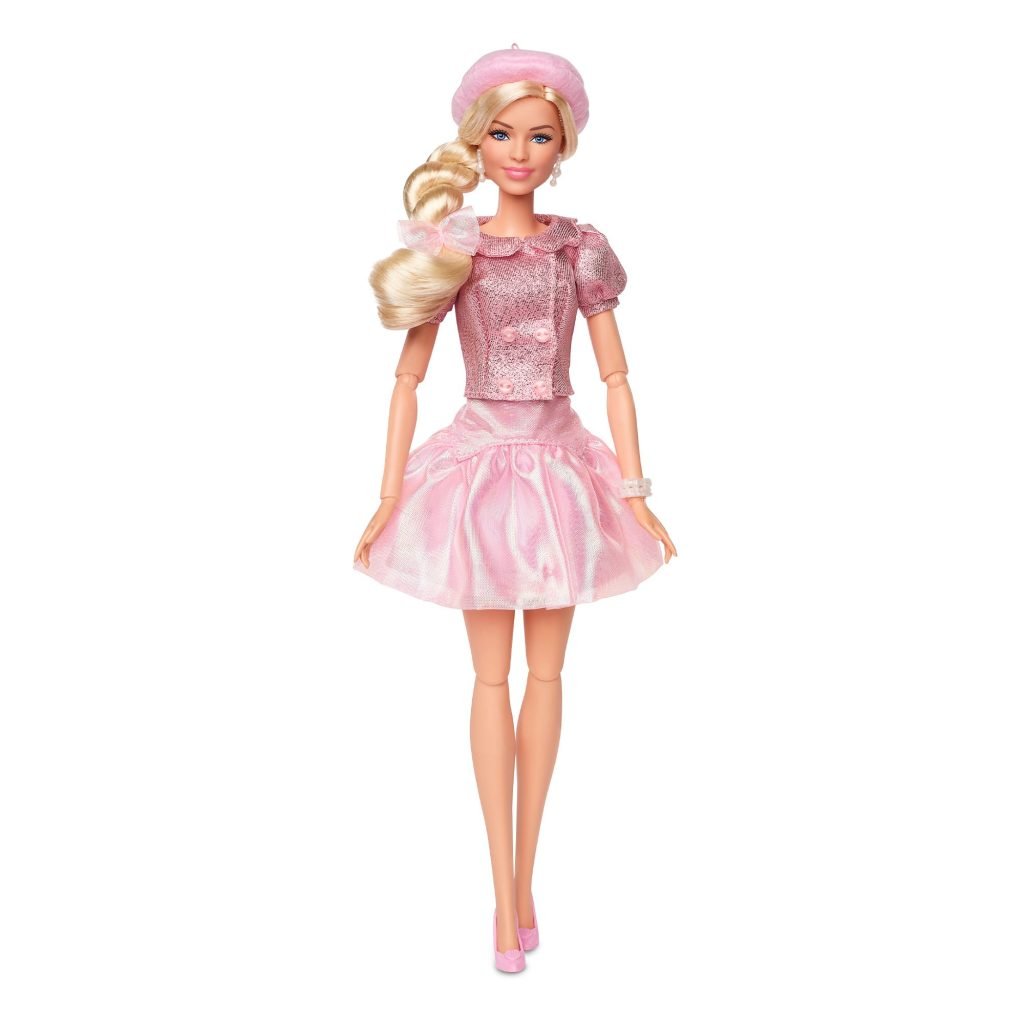
Barbie is known for her sleek, fashion-forward look that often emphasizes style over function. Her design highlights long legs, a slim waist, and detailed outfits that change with trends. This focus on appearance makes her a symbol of fashion and imagination rather than physical action.
Her hairstyles, accessories, and themed costumes invite you to create stories focused on lifestyle and creativity. Unlike many toys, Barbie encourages you to explore different roles — from a doctor to an astronaut — through her diverse looks. This versatility is part of her charm but shifts her away from the typical action figure mold.
Action Figure Characteristics
Action figures usually have articulation points that allow for dynamic poses, reflecting movement and combat readiness. They often come with weapons, gadgets, or tools that support action-packed play. Barbie, on the other hand, generally features limited articulation and focuses more on dress-up and role-playing scenarios.
- Most action figures have rugged, sturdy designs built for rough play.
- They often emphasize strength and adventure over style.
- Barbie’s softer plastic and delicate clothing set her apart from this ruggedness.
Does Barbie’s design support the kind of physical interaction typical of action figures? Not really. While she empowers imaginative play, her features lean more toward fashion and storytelling than action and combat.
Target Audience And Market
Understanding the target audience and market helps clarify whether Barbie fits the action figure category. Both Barbie dolls and action figures appeal to different groups of people. Their design, play style, and marketing reflect these distinct audiences.
Barbie’s Demographic
Barbie mainly targets young girls aged 3 to 12 years. The brand focuses on fashion, careers, and storytelling. Barbie dolls often come with accessories that encourage imaginative play. The emphasis is on style, beauty, and diverse roles. This demographic enjoys creating stories around the doll’s life and adventures.
Parents also influence Barbie’s market. They seek toys that promote creativity and social skills. Barbie’s marketing often highlights positive messages about confidence and ambition. This appeals to parents who want toys with educational value.
Action Figure Fan Base
Action figures appeal mostly to boys aged 5 to 14 years. They focus on characters from movies, comics, and TV shows. These toys emphasize action, combat, and heroism. Fans enjoy collecting figures that represent warriors, superheroes, or soldiers.
Action figure collectors include adults too. They value detailed designs and limited editions. The market targets enthusiasts who appreciate craftsmanship and nostalgia. This group looks for toys with articulation and accessories that support dynamic poses.
Cultural Impact And Perception
The cultural impact and perception of Barbie go far beyond just being a toy. Barbie has shaped ideas about beauty, gender roles, and career possibilities for decades. This influence raises an interesting question: can Barbie be considered an action figure when its role in culture is so unique and widespread?
Barbie’s Cultural Influence
Barbie has been a symbol of changing social norms since her debut in 1959. She has represented various careers, from astronaut to doctor, challenging traditional gender roles and inspiring many to dream big.
Your childhood memories of Barbie might include more than just playing with dolls; they could involve imagining future possibilities. Barbie’s evolving image reflects society’s growing acceptance of diversity and empowerment.
Yet, some criticize Barbie for promoting unrealistic beauty standards. This debate shows how Barbie’s cultural role is complex and affects perceptions in different ways.
Action Figures In Pop Culture
Action figures typically represent characters from movies, comics, or video games, often associated with adventure and combat. They are usually marketed towards boys, focusing on strength and heroism.
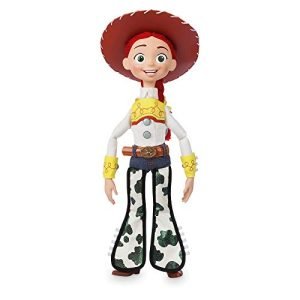
Unlike traditional action figures, Barbie emphasizes lifestyle, fashion, and social roles. However, the lines blur when you consider Barbies based on superheroes or adventure themes.
Think about the Barbie versions of Wonder Woman or superhero dolls—do they fit your definition of an action figure? This crossover shows how Barbie both challenges and expands the concept of what an action figure can be.
Industry Perspectives
The question of whether Barbie qualifies as an action figure sparks varied opinions within the toy industry. Understanding these perspectives helps you see how the lines between dolls and action figures blur. It also reveals how marketing strategies and consumer expectations shape these categories.
Toy Manufacturers’ Views
Toy companies often separate dolls and action figures based on design and target audience. Barbie is usually classified as a doll because of her fashion focus and emphasis on beauty. However, some manufacturers acknowledge that Barbie’s adventurous roles—like being a doctor, astronaut, or superhero—push her closer to action figure territory.
Manufacturers also consider articulation and accessories. Barbie’s growing range of movable joints and themed gear challenges the traditional doll label. You might wonder if these features are enough to rebrand Barbie as an action figure or if the marketing image still keeps her firmly in the doll camp.
Consumer Opinions
Consumers bring their own views, often influenced by nostalgia and play style. Some see Barbie strictly as a fashion doll, tied to imaginative role-play centered on lifestyle and careers. Others enjoy using Barbie in action-packed scenarios similar to those with traditional action figures.
Many parents and kids appreciate Barbie’s versatility but hesitate to call her an action figure because of her style and branding. This split opinion raises the question: does the way you play with a toy define its category more than how it’s marketed?
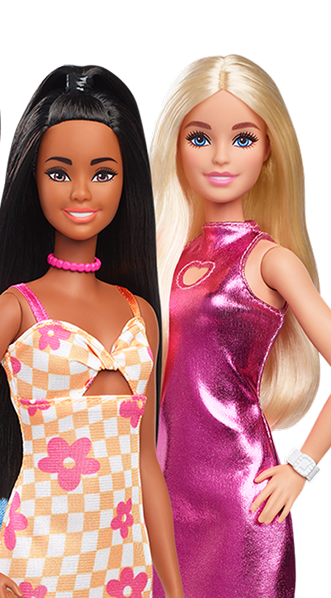
Credit: shop.mattel.com
Barbie’s Role In The Toy Industry
Barbie has played a unique and influential role in the toy industry for decades. Unlike many toys designed primarily for action or adventure, Barbie represents a wide range of careers, lifestyles, and fashions, appealing mostly to imaginative play centered around personal expression. Understanding Barbie’s position helps clarify whether she fits the typical mold of an action figure or stands apart as a cultural icon in her own right.
Barbie’s Market Position
Barbie holds a dominant spot in the doll category, targeting children who enjoy fashion, storytelling, and role-playing. She appeals mostly to those interested in creativity and lifestyle exploration rather than physical action or combat scenarios. Barbie’s market is built on diversity, with dolls that represent various professions, ethnicities, and styles, keeping her relevant through decades.
Many parents and kids appreciate Barbie’s ability to inspire dreams beyond action scenes—think doctors, astronauts, and artists rather than warriors or soldiers. This broad appeal has helped Mattel maintain Barbie’s popularity despite changing toy trends. What does this say about the values and interests Barbie promotes compared to traditional action figures?
Comparative Analysis With Action Figures
Action figures typically emphasize physicality, combat, and adventure. They often come with weapons, vehicles, or accessories designed for battle or exploration. Barbie, in contrast, focuses on lifestyle and identity, with accessories like clothes, houses, and cars that support imaginative daily life scenarios.
Consider the typical packaging: an action figure might be posed ready for battle, while Barbie is styled in various outfits or professional uniforms. The play patterns differ—action figures encourage competitive or heroic play, whereas Barbie encourages social, aspirational, and creative play.
- Action Figures:Combat, adventure, physical strength
- Barbie:Fashion, careers, social roles
Does this difference mean Barbie isn’t an action figure? Or does it show that action can take many forms, including emotional and imaginative action? Your perspective on play might shift once you see how Barbie encourages kids to “act” in ways beyond physical fights or battles.
Debunking The Action Figure Label
Many people wonder if Barbie fits the category of an action figure. The label “action figure” often brings to mind heroes with weapons or characters from TV shows. Barbie, a classic doll, challenges this common idea. Exploring what defines an action figure helps clear up the confusion.
Criteria For Action Figures
Action figures usually have specific traits. They often come from movies, comics, or TV series. These toys represent heroes or villains involved in adventures or battles.
- Designed for posing with movable joints
- Based on characters with action roles
- Often come with accessories like weapons or gadgets
- Marketed towards older children or collectors
Action figures encourage imaginative play around action and conflict. Their look and accessories reflect dynamic stories.
Barbie’s Classification
Barbie does not fully match these traits. She is a fashion doll made for styling and role-playing. Barbie’s focus lies on careers, fashion, and everyday life.
- Has movable joints but limited compared to action figures
- Represents various professions, not action heroes
- Accessories include clothes, pets, or vehicles, not weapons
- Targeted mostly at younger children, especially girls
Barbie inspires creativity through lifestyle themes, not combat or adventure. This places her in a different category than typical action figures.
Frequently Asked Questions
Is Barbie Considered An Action Figure Or A Doll?
Barbie is primarily classified as a fashion doll, not an action figure. Action figures usually represent superheroes or soldiers and emphasize articulation for posing. Barbie focuses on style and storytelling, targeting imaginative play rather than action-oriented scenarios.
What Defines An Action Figure Versus A Barbie Doll?
Action figures typically have more joints for dynamic poses and often come with weapons or gear. Barbie dolls emphasize fashion, accessories, and lifestyle themes. The key difference lies in play style: action figures encourage combat or adventure play; Barbies focus on role-playing and creativity.
Can Barbie Dolls Be Used Like Action Figures?
While Barbie dolls have some articulation, they are not designed for action figure play. Barbie encourages imaginative storytelling rather than combat or action scenes. However, kids can creatively adapt Barbies for various play styles, blending doll and action figure elements.
Why Is Barbie Not Labeled As An Action Figure?
Barbie’s branding centers on fashion and lifestyle, differing from the action figure market. Action figures highlight physical action and heroism, while Barbie promotes creativity in career and social roles. This distinction shapes how each toy is marketed and perceived.
Conclusion
Barbie has many qualities of an action figure. She can pose and move like them. But Barbie also focuses on fashion and stories. Action figures often highlight battles or powers. Barbie offers creativity and role play. Both toys inspire fun and imagination.
So, is Barbie an action figure? It depends on how you see her. She blends play styles in a unique way. Kids enjoy her for many reasons. That makes Barbie special in the toy world.