Are you looking for fun and affordable ways to keep your cat entertained? Making DIY cat toys is easier than you think, and it can bring you closer to your furry friend.
Imagine watching your cat play happily with toys you created yourself—safe, simple, and made from things you already have at home. You’ll discover easy steps to craft toys that will spark your cat’s curiosity and energy. Ready to make your cat’s day?
Let’s dive in!
Benefits Of Diy Cat Toys
Creating DIY cat toys offers numerous benefits for both you and your feline friend. These homemade playthings can be tailored to suit your cat’s interests and can be made using materials you already have. By crafting your own toys, you can enhance your cat’s playtime experience while also keeping your budget in check. Explore the advantages of DIY cat toys below.
Cost Savings
Store-bought toys can be expensive, especially if your cat loves to play. DIY cat toys allow you to save money by using items you already have at home. Old socks, cardboard boxes, or leftover fabric can easily be transformed into exciting toys. This approach helps you avoid spending money on overpriced toys that might not even interest your cat.
Customization Options
Every cat has unique preferences. DIY cat toys let you customize toys to fit your cat’s specific interests. You can adjust the size, texture, and style to match what your cat enjoys. Whether your cat loves chasing feathers or batting balls, you can create a toy that meets their needs. This personalization makes playtime more enjoyable for your furry friend.
Eco-friendly Choices
Many store-bought toys are made from plastic or other non-biodegradable materials. DIY cat toys can be made using recycled or natural materials, reducing waste and benefiting the environment. Using items like old t-shirts or cardboard not only recycles them but also reduces your carbon footprint. This eco-friendly approach is a win for both your cat and the planet.

Credit: www.youtube.com
Essential Materials Needed
Gathering the right materials is the first step to creating fun and safe DIY cat toys. You want to make sure every item you use is not only appealing to your cat but also safe for them to play with. Having a clear list of essential materials helps you prepare efficiently and avoid last-minute trips to the store.
Common Household Items
Many everyday items you already have at home can turn into exciting cat toys. Think about old socks, cardboard boxes, and even bottle caps. These materials are easy to find and often free, making them perfect for quick toy projects.
- Empty toilet paper rolls:Great for stuffing with treats or crumpled paper.
- Feathers:Cats love chasing feathers, which you might find from craft kits or old decorations.
- String or yarn:Use short pieces to avoid tangling hazards, but always supervise your cat.
- Paper balls:Crumple up scrap paper to create lightweight, fun toys.
Safe Craft Supplies
Choosing non-toxic and pet-safe craft supplies is crucial for your cat’s health. Avoid anything with small parts that can be swallowed or toxic chemicals. Look for items labeled safe for children or pets to ensure peace of mind.
- Non-toxic glue:Essential for assembling toys, but make sure it dries completely before giving toys to your cat.
- Felt fabric:Soft and durable, felt works well for making small, stuffed toys.
- Catnip:A natural attractant that can boost your cat’s interest in homemade toys.
- Pom-poms and soft balls:Choose those made from pet-safe materials without loose fibers.
Tools For Assembly
Having the right tools on hand makes the crafting process smoother and safer. You don’t need professional equipment—simple household tools often do the job perfectly.
- Scissors:Sharp enough to cut fabric and string but handle with care around pets.
- Needle and thread:Handy for sewing fabric toys securely.
- Hot glue gun:Useful for quick fixes, but keep it away from your cat during use.
- Measuring tape or ruler:Helps you cut materials to the right size without guesswork.
What items do you already have that could become your cat’s next favorite toy? Sometimes the best materials are hiding in plain sight.
Simple Diy Toy Ideas
Creating simple DIY cat toys is a fantastic way to keep your feline friend entertained without spending much money. These toys can be made with everyday items you already have at home. Plus, they offer endless fun and mental stimulation for your cat, which is essential for their well-being.
Sock Toys With Catnip
Grab an old sock and fill it with catnip and some soft stuffing like cotton balls or fabric scraps. Tie the end tightly with a string or rubber band to keep everything inside. Your cat will love batting, biting, and cuddling this homemade toy.
This toy smells irresistible to cats, and it encourages playful behavior. Have you noticed how a simple scent can trigger your cat’s curiosity instantly? It’s an easy way to make your cat feel excited and engaged.
Feather Wand
Take a stick or a sturdy straw and attach a few feathers to one end using string or tape. Move it around to mimic the movement of birds or insects. Your cat’s hunting instincts will kick in, providing great exercise and focus.
Feather wands are wonderful for interactive playtime. They help you bond with your cat while keeping them active. How often do you set aside time just to play with your cat? This toy makes it simple and fun.
Cardboard Maze
Collect several cardboard boxes and cut holes in the sides to create entrances and exits. Stack and arrange them in different ways to form a maze or tunnel system. Your cat will enjoy exploring, hiding, and darting through the maze.
This project sparks your cat’s natural curiosity and problem-solving skills. It also uses recycled materials, which is a win for the environment. What creative designs can you come up with to challenge your cat’s agility?
Interactive Toys For Playtime
Interactive toys keep your cat engaged and active, turning playtime into a fun workout for both mind and body. These toys encourage your cat to chase, pounce, and explore, helping to prevent boredom and destructive behavior. Making your own interactive toys means you can customize them to your cat’s preferences and keep playtime fresh and exciting.
Pom-pom Chase
Pom-poms are soft, lightweight, and perfect for a quick chase around the house. You can easily make these by wrapping yarn around your fingers and tying it off tightly. Cats love the unpredictable way pom-poms bounce and roll, which keeps them curious and moving.
Try adding a small bell inside the pom-pom to make it even more enticing. Have you noticed how your cat’s eyes light up when they spot a moving target? Pom-poms are great for sparking that natural hunting instinct.
Paper Ball Games
Crumpled paper balls are a simple but effective toy that cats find irresistible. Use plain paper or newspaper, scrunch it into a tight ball, and toss it gently across the floor. The light weight and noisy texture make the ball unpredictable and fun to bat around.
You can make a mini game by hiding treats under several paper balls and letting your cat “hunt” for the goodies. This kind of play sharpens their senses and keeps their brain active. What creative ways can you think of to turn paper balls into a puzzle for your cat?
String And Stick Toys
A classic favorite, string and stick toys mimic the movement of small prey, which fascinates cats. Tie a piece of string or yarn to a stick or dowel, and add feathers, small bells, or fabric strips at the end. This lets you control the toy’s movement and tailor the game to your cat’s energy level.
Be sure to supervise playtime with these toys to keep your cat safe from swallowing string. Have you tried varying the speed and direction of the string to see how your cat reacts? It’s a simple way to keep their attention and create a lively play session.
Recycling Everyday Items
Recycling everyday items offers a fun and eco-friendly way to make cat toys. It saves money and reduces waste. Cats love toys that move and make noise, so simple household objects can become exciting playthings. Using recycled items also lets you customize toys to fit your cat’s style and preferences. Many common objects around the house are perfect for crafting safe and engaging toys for your furry friend.
Bottle Caps And Rings
Bottle caps and rings are small, lightweight, and easy to handle. Cats enjoy batting these around on hard floors. Use plastic caps from soda bottles or rings from jar lids. Make sure to clean them well before use. Avoid metal caps with sharp edges. You can glue a small bell inside a plastic cap for added sound. Always supervise your cat to ensure safety.
Toilet Paper Rolls
Toilet paper rolls are versatile and sturdy. Cut them into small sections or leave them whole. Stuff some with catnip or crumpled paper for extra fun. Cats like to chew and toss these rolls. You can also connect several rolls with tape to make tunnels or stacking toys. These rolls break down easily if shredded, making cleanup simple.
Old Fabric Scraps
Old fabric scraps work great for soft toys. Cut them into strips or small squares. Sew or tie scraps to form balls or knots. Adding catnip inside fabric toys increases their appeal. Use non-toxic, washable materials to keep toys safe. Fabric scraps also let you create colorful, textured toys that cats love to bat and carry.
Safety Tips For Diy Toys
Creating DIY cat toys is fun and rewarding. Safety must be your top priority. Unsafe toys can harm your cat or cause accidents. Follow these safety tips to keep your feline friend happy and healthy.
Avoiding Toxic Materials
Use only non-toxic materials for your cat toys. Avoid paints, glues, or fabrics with harmful chemicals. Natural fibers like cotton or wool are safer. Check labels carefully before buying supplies. Your cat might chew or lick the toy.
Checking For Small Parts
Small pieces can be swallowed or choked on. Avoid buttons, beads, or tiny decorations. Securely attach parts that are necessary. Inspect toys regularly for loose pieces. Remove or repair damaged toys immediately.
Supervised Play
Never leave your cat alone with a new toy. Watch how your cat interacts with it. Remove the toy if it shows signs of wear or damage. Supervised play reduces the risk of injury or swallowing parts.
Encouraging Cat Engagement
Keeping cats interested in DIY toys takes some effort. Cats can get bored quickly. Changing their play routine helps keep them curious and happy. Encouraging your cat to play boosts health and reduces stress. Try different tricks to make toys more exciting.
Using Catnip And Treats
Catnip attracts many cats and makes playtime fun. Sprinkle a little on fabric or inside toys. Treats work as rewards to encourage interaction. Hide treats inside toys to spark hunting instincts. Use these scents to make old toys feel new again.
Changing Toys Regularly
Rotate toys every few days to keep interest alive. Cats enjoy variety and new textures. Store some toys away and swap them out later. This simple switch keeps your cat curious and active. Different shapes and sizes also stimulate different senses.
Incorporating Play Sessions
Set aside time each day for focused play. Use DIY toys to engage your cat directly. Move toys slowly to mimic prey and catch attention. Short, frequent sessions work best for most cats. Play helps build trust and strengthens your bond.
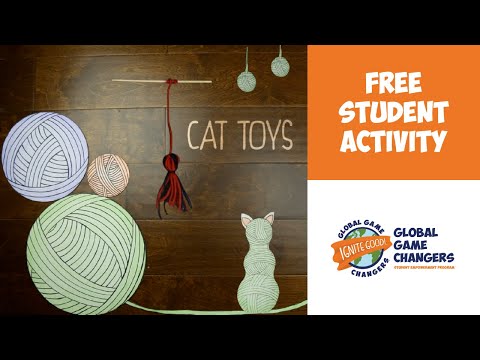
Credit: www.youtube.com

Credit: www.tiktok.com
Frequently Asked Questions
What Materials Are Best For Diy Cat Toys?
Soft fabrics, felt, yarn, and feathers work great. Avoid toxic or sharp materials to keep cats safe. Use household items like cardboard and bottle caps for added fun.
How Can I Make A Simple Diy Cat Toy?
Tie feathers or yarn to a stick or string. This creates an interactive wand toy that cats love to chase and pounce on.
Are Homemade Cat Toys Safe For Pets?
Yes, if made with pet-safe materials and without small parts cats can swallow. Always supervise playtime to prevent accidents or ingestion.
How Do I Keep Diy Cat Toys Durable?
Use sturdy fabrics and secure all parts tightly. Reinforce seams with strong thread and avoid easily breakable components.
Conclusion
Making DIY cat toys is fun and saves money. You can use simple materials found at home. Cats love toys that move and feel soft. These toys keep cats active and happy every day. Creating toys yourself lets you customize them easily.
Spend time with your cat while making new toys. Small efforts bring big joy to your furry friend. Try different ideas to see what your cat likes best. Enjoy the process and watch your cat play!