Have you ever wanted to give your action figures a fresh new look? Making clothes for your action figures is easier than you think, and it adds a personal touch that store-bought outfits can’t match.
Imagine dressing your figures in outfits you designed yourself—whether it’s a superhero costume, casual wear, or something completely unique. In this guide, you’ll discover simple steps and handy tips to create custom clothes that fit perfectly and bring your action figures to life.
Ready to transform your collection and impress everyone with your creativity? Let’s get started!
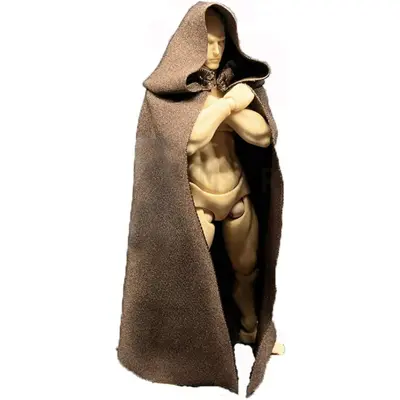
Credit: www.tiktok.com
Materials And Tools
Getting the right materials and tools sets the foundation for making clothes that fit your action figures perfectly. Your choice influences not only the look but also how easy or tricky the sewing process will be. Let’s break down what you really need to get started.
Fabric Selection
Choosing the right fabric matters more than you might think. Thin cotton or felt works great for beginners because they’re easy to cut and sew without fraying too much. Stretch fabrics like jersey are perfect if you want tight-fitting clothes, but they can be tricky to handle if you’re new to sewing.
Think about the scale of your figure too. Heavy fabrics like denim might look cool, but they can overwhelm smaller figures and make sewing harder. Have you tried mixing textures? Combining smooth fabric with a little lace or mesh can add amazing detail without complicating the process.
Essential Tools
You don’t need a giant toolkit, but some basics are non-negotiable. A sharp pair of small scissors or fabric snips will make your cuts clean and precise. Needles? Pick fine ones that can handle delicate fabrics without leaving big holes.
A ruler or measuring tape helps you get dimensions right, which is crucial when working with tiny clothes. If you have a sewing machine, fantastic—but hand sewing works well too, especially for small projects. Would you believe a simple seam ripper can save hours if you make a mistake?
Additional Supplies
Other handy supplies can make your project smoother. Pins or clips keep fabric pieces together while you sew, preventing frustrating shifts. Fabric glue is useful for quick fixes or adding small details without stitches.
- Elastic bands for waistbands or cuffs
- Velcro strips or tiny snaps for easy closures
- Fabric markers to draw patterns or outlines
- Iron and ironing board for crisp seams
Have you ever struggled with tiny buttons? Consider using decorative beads or miniature buttons designed specifically for doll clothes—they add charm and are easier to handle. Paying attention to these small extras can change your sewing experience from frustrating to enjoyable.
Designing Patterns
Designing patterns is a key step in making clothes for action figures. Patterns guide cutting and sewing, ensuring a good fit. A well-designed pattern helps you create clothes that look neat and realistic. Take time to plan and sketch before cutting fabric. Simple and clear patterns make the process easier and more fun.
Measuring Action Figures
Start by measuring the action figure carefully. Use a small ruler or tape measure for accuracy. Measure important parts like chest, waist, arms, and legs. Note the height and width of the figure too. Write down each measurement clearly. These numbers will guide the size of your patterns.
Creating Templates
Templates are paper shapes that match the parts of the figure. Draw the shapes based on your measurements. Use plain paper or cardstock for durability. Cut out the templates to test the size. Place them on the figure to check the fit. Adjust the shapes if needed before cutting fabric.
Customizing Designs
Add personal touches to make your clothes unique. Change sleeve length, collar style, or pant shape. Mix and match colors and patterns for a fresh look. Use simple shapes for easy sewing. Keep proportions right so the clothes fit well. Custom designs give your action figure its own style.
Cutting And Sewing Techniques
Cutting and sewing techniques are key to making great clothes for action figures. Precise cuts ensure fabric fits perfectly on small bodies. Sewing holds the pieces together firmly. Using simple methods can create neat, durable outfits.
Basic Sewing Techniques
Start with small, even stitches for strong seams. Use a sharp needle to avoid fabric damage. Pin pieces before sewing to keep them aligned. Always sew with the fabric inside out for a clean finish. Trim excess fabric close to seams to reduce bulk.
Using A Sewing Machine
Set your machine to a short stitch length for tiny seams. Use a fine needle made for lightweight fabric. Guide the fabric slowly to keep stitches straight. Test on scrap fabric to adjust tension and stitch size. Sewing machines speed up making multiple pieces.
Hand Sewing Tips
Use a thimble to push the needle easily through thick fabric. Keep stitches small and close to avoid gaps. Knot thread securely at the start and end of sewing. Use backstitch for strong seams on small clothes. Take breaks to reduce hand strain during long projects.
Decorative Elements
Decorative elements bring action figure clothes to life. They add personality and detail to small outfits. Small touches like buttons, embroidery, or paint make clothes look real and unique.
Adding Buttons And Zippers
Buttons and zippers create realistic closures for tiny clothes. Use small, lightweight buttons or snaps for ease. Tiny zippers can be found in craft stores or removed from old doll clothes. Sew them carefully with thin thread to avoid bulk. These details enhance the look and function of the outfit.
Embroidery And Appliqué
Embroidery adds texture and design to fabric. Use simple stitches like running stitch or satin stitch for small patterns. Appliqué involves sewing small fabric shapes onto the clothes. Both techniques create custom designs and patterns. Choose bright colors for contrast or soft tones for subtle effects.
Painting And Dyeing
Fabric paint transforms plain cloth into vibrant costumes. Use fine brushes for detailed work. Acrylic paints mixed with fabric medium work well. Dyeing fabric in small batches creates unique colors and patterns. Experiment with tie-dye or ombre effects for creative results. Allow paint or dye to dry completely before sewing.
Fitting And Adjustments
Fitting and adjustments are key to making clothes that look great on action figures. Clothes must fit snugly but allow some movement. Checking the fit helps avoid loose or tight fabric. Adjustments ensure the outfit looks natural and stays in place during play or display.
Testing The Fit
Put the clothes on your action figure carefully. Check if the clothes sit well on the shoulders and waist. Move the figure’s arms and legs to see if the fabric stretches or pulls. Look for any areas where the clothes bunch up or sag. This helps find spots that need fixing.
Making Adjustments
Use small scissors to trim extra fabric if clothes are too loose. Sew tiny stitches to tighten loose parts. Add small pieces of elastic to improve stretch and fit. Pin or glue parts that need to stay firm. Make sure the adjustments keep the clothes comfortable for the figure.
Finishing Touches
Check all seams for loose threads or gaps. Iron the clothes gently if the fabric allows it. Add small details like buttons or patches to enhance the look. Test the fit one last time to confirm comfort and style. Well-finished clothes bring your action figure to life.
Styling And Accessories
Adding style and accessories to your action figures transforms them from simple toys into unique characters with personality. These small details bring your creations to life and make your figures stand out. Let’s look at some practical ways to enhance your figures with hats, shoes, belts, and bags.
Creating Hats And Caps
Start with lightweight materials like felt or thin foam sheets to shape hats and caps. Use a small pair of scissors to cut out the basic shape, then gently mold it to fit your figure’s head.
Glue or sew tiny stitches to hold the shape, and add details like a tiny brim or a stitched band using thread or fabric paint. Experiment with styles—from baseball caps to tiny fedoras—so your figure can match different moods or scenes.
Making Shoes And Boots
Shoes and boots add authenticity and can be surprisingly simple to make. Cut out sole shapes from craft foam or thin leather-like material, then wrap fabric or faux leather around to form the shoe’s body.
Attach with fabric glue or tiny stitches. Play with different heights and styles: ankle boots, sneakers, or even sandals. Try adding laces with thin thread or paint on details like buckles to make them more realistic.
Crafting Belts And Bags
Belts and bags are perfect for adding a touch of realism and practicality to your figures. Use strips of faux leather, ribbon, or fabric for belts, and secure them with tiny snaps or glue.
For bags, fold fabric pieces into simple shapes like squares or rectangles, then sew or glue edges. Add straps from thin cords or ribbon and decorate with beads or small buckles to match the character’s style.
Have you tried mixing materials to see which combination works best for your figure’s accessories? Sometimes, unexpected textures make the most interesting results.
Tips For Beginners
Starting to make clothes for action figures can be exciting yet challenging. You want your tiny outfits to look just right and fit perfectly. Paying attention to a few key tips can make your first attempts smoother and more enjoyable.
Common Mistakes To Avoid
One frequent mistake is using fabric that’s too thick or stiff. It can make the clothes bulky and hard to sew on small scales. Choose lightweight fabrics like cotton or jersey for easier handling and better fit.
Another pitfall is skipping the pattern-making step. Trying to sew without a pattern often leads to uneven or ill-fitting clothes. Always create or download simple patterns tailored to your figure’s measurements before cutting your fabric.
Don’t forget to use fine needles and thread. Thick tools can damage delicate fabric and make seams bulky. Small details matter a lot when working on miniature clothes.
Quick Fixes
- Loose seams?Add a tiny drop of fabric glue to hold stitches in place.
- Fabric too long?Use small folds or darts to shorten without cutting.
- Buttons too big?Replace them with beads or tiny snaps for better scale.
- Outfit too stiff?Wash fabric before sewing to soften it up.
These quick fixes saved me many times when rushing to finish a project. Have you ever struggled with a last-minute sewing disaster? Small adjustments like these can save your work and boost your confidence.
Resources For Learning
You don’t have to figure everything out on your own. Plenty of online tutorials focus specifically on doll and action figure clothing. YouTube channels and craft blogs often share step-by-step guides that are easy to follow.
Joining forums or social media groups dedicated to miniature sewing can also help. You’ll get feedback, tips, and encouragement from others who share your passion. What’s one question you wish an expert could answer right now?
Books on doll clothes sewing provide detailed patterns and techniques, great for beginners and advanced crafters alike. Keep a list of your favorite resources handy to refer back to as you improve.
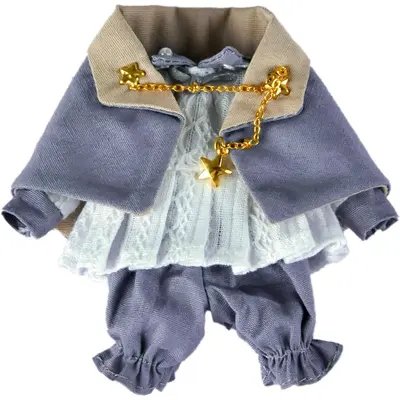
Credit: www.tiktok.com

Credit: www.facebook.com
Frequently Asked Questions
What Materials Are Best For Action Figure Clothes?
The best materials include cotton, felt, and stretchy fabrics. These are easy to cut, sew, and fit action figures well. Avoid thick fabrics as they can be bulky and hard to work with.
How Do I Measure Clothes For Action Figures?
Measure the figure’s height, chest, waist, and arm length accurately. Use a flexible tape or paper strips to get precise dimensions. This ensures the clothes fit snugly and look realistic.
Can I Sew Action Figure Clothes By Hand?
Yes, hand sewing works well for small, detailed pieces. Use a fine needle and thin thread for precision. Hand sewing allows better control over tiny stitches and delicate fabrics.
How To Add Details To Action Figure Outfits?
Use miniature buttons, trims, or fabric paint for details. Embroidery and appliqué can enhance realism. Small accessories like belts or patches also add depth and style.
Conclusion
Making clothes for action figures can be fun and simple. Start with basic sewing skills and small pieces of fabric. Use your creativity to design unique outfits. Practice helps you improve every time you make a new piece. Personalizing your action figures adds a special touch to your collection.
Keep trying different materials and styles to find what works best. Enjoy the process and share your creations with friends. Clothes for action figures bring your toys to life in new ways.