Have you ever come across an old doll and wondered if it’s truly vintage? Knowing how to identify vintage dolls can unlock stories from the past and even reveal hidden treasures.
Whether you’re a collector or just curious, understanding what makes a doll vintage will help you spot real gems from ordinary toys. You’ll discover simple tips and tricks to tell if a doll is vintage, so you can feel confident in recognizing something special.
Keep reading—your next exciting find could be just around the corner.
Signs Of Authentic Vintage Dolls
Identifying a vintage doll takes careful observation. Many features show its age and authenticity.
Look for materials, marks, and signs of wear that tell the doll’s story.
Materials Used In Vintage Dolls
Vintage dolls were made from specific materials not common today. These include bisque, composition, and early plastics.
- Bisque porcelain with a matte finish
- Composition made from sawdust and glue
- Celluloid, an early form of plastic
- Hard rubber for some doll parts
- Cloth bodies with hand-painted faces
Common Manufacturing Marks
Many vintage dolls have marks from their makers. These marks help confirm the doll’s origin and age.
| Mark Type | What It Indicates | Examples |
| Stamped on back of head | Manufacturer and year | “Kestner 1895” |
| Impressed in body | Model number or size | “Size 10” |
| Painted signature | Artist or factory | “SFBJ Paris” |
| Labels on clothing | Brand or maker | “Ideal Toy Co.” |
Wear And Aging Patterns
Wear on vintage dolls shows their history. Signs of aging help tell if a doll is truly old.
- Faded or cracked paint on faces and hands
- Small chips or cracks in bisque parts
- Discoloration or yellowing of cloth bodies
- Loose joints or stiff limbs due to old stringing
- Wear on clothing from long use

Credit: www.reddit.com
Popular Vintage Doll Brands
Vintage dolls are cherished collectibles for many people. Knowing the popular brands helps you identify and value these dolls.
Each brand has unique features and styles. This guide covers American, European, and rare vintage doll makers.
American Doll Makers
American doll makers made many popular vintage dolls. These dolls often reflect American culture and history.
Brands like Madame Alexander and Ideal Toy Company are well-known. Their dolls often have detailed clothing and realistic faces.
- Madame Alexander:Famous for character dolls and storybook figures.
- Ideal Toy Company:Made the iconic Shirley Temple and Tammy dolls.
- Effanbee:Known for the Patsy and Little Miss Revlon dolls.
European Doll Manufacturers
European dolls often have fine craftsmanship and porcelain faces. Germany and France are famous for these dolls.
Doll makers like Armand Marseille and Jumeau created collectible dolls. These dolls often have glass eyes and detailed costumes.
- Armand Marseille (Germany):Produced many bisque head dolls with expressive faces.
- Jumeau (France):Known for elegant fashion dolls with hand-painted features.
- Käthe Kruse (Germany):Famous for soft-bodied dolls with natural looks.
Rare And Limited Editions
Some vintage dolls are rare or made in limited numbers. These dolls often have high value for collectors.
Limited edition dolls may have certificates or special markings. They can come from both American and European makers.
- Limited runs with unique clothing or accessories.
- Special collaborations between artists and manufacturers.
- Dolls signed or numbered to show rarity.
Doll Features To Examine
Identifying vintage dolls requires looking closely at their features. These details tell you if a doll is old and rare.
Check parts like the face, clothes, and joints. Each part shows clues about the doll’s age and origin.
Facial Characteristics
Look at the doll’s face shape and paint. Older dolls often have hand-painted faces that show fine details.
Notice the eyes and eyelashes. Glass or painted eyes are common in vintage dolls. Eyelashes may be real or painted.
- Check for cracks or crazing on the face
- Look for unique eyebrow shapes and lip colors
- Examine eye type: glass, painted, or sleep eyes
- Search for maker’s marks on the back of the head
Clothing And Accessories
Original clothing adds value to a vintage doll. Fabric, style, and stitching show the doll’s era.
Look for handmade details and old fasteners like hooks or snaps. Accessories like shoes and hats also help identify age.
- Check fabric type: cotton, silk, or wool
- Look for fading or wear on clothes
- Identify old-style buttons, snaps, or hooks
- Note matching accessories like hats or shoes
Joint Types And Construction
Examine how the doll’s limbs connect to the body. Older dolls often use string or metal joints.
Joint style can tell you if the doll was made by hand or machine. Look for wear on the joints to check age.
- Look for ball joints or string-tied limbs
- Check for metal pins or hooks in joints
- Notice if joints move smoothly or feel stiff
- Inspect for signs of repair or replacement parts
Tools For Doll Identification
Identifying vintage dolls requires careful examination and reliable tools. Using the right tools helps collectors and hobbyists find key details on each doll.
These tools reveal marks, materials, and other signs that show the doll’s age and origin. Below are some essential tools used in doll identification.
Magnifying Glass And Uv Light
A magnifying glass helps to see small marks or features on dolls. These marks often include maker’s stamps, numbers, or signatures on the doll’s body or clothing.
UV light reveals repairs, repainting, or damage not visible in normal light. It also helps check if the doll’s materials glow naturally or have aged.
Reference Books And Catalogs
Reference books and catalogs provide detailed images and descriptions of vintage dolls. They help match your doll to known models and makers.
- Look for books focused on doll makers or time periods.
- Use catalogs that show price guides and doll variations.
- Check for information on materials and manufacturing methods.
Online Databases And Forums
Online databases gather doll information from many collectors and experts worldwide. Forums allow you to ask questions and share photos for identification help.
| Resource | Purpose | How to Use |
| Collector Websites | View doll images and descriptions | Search by maker or style |
| Identification Forums | Ask for opinions and details | Post photos and details |
| Online Catalogs | Compare prices and versions | Use filters and search tools |
Common Doll Types And Their Traits
Vintage dolls come in many types. Each type has unique features. Knowing these helps identify them.
We will look at three common types of vintage dolls. These are bisque and porcelain, composition and plastic, and cloth and rag dolls.
Bisque And Porcelain Dolls
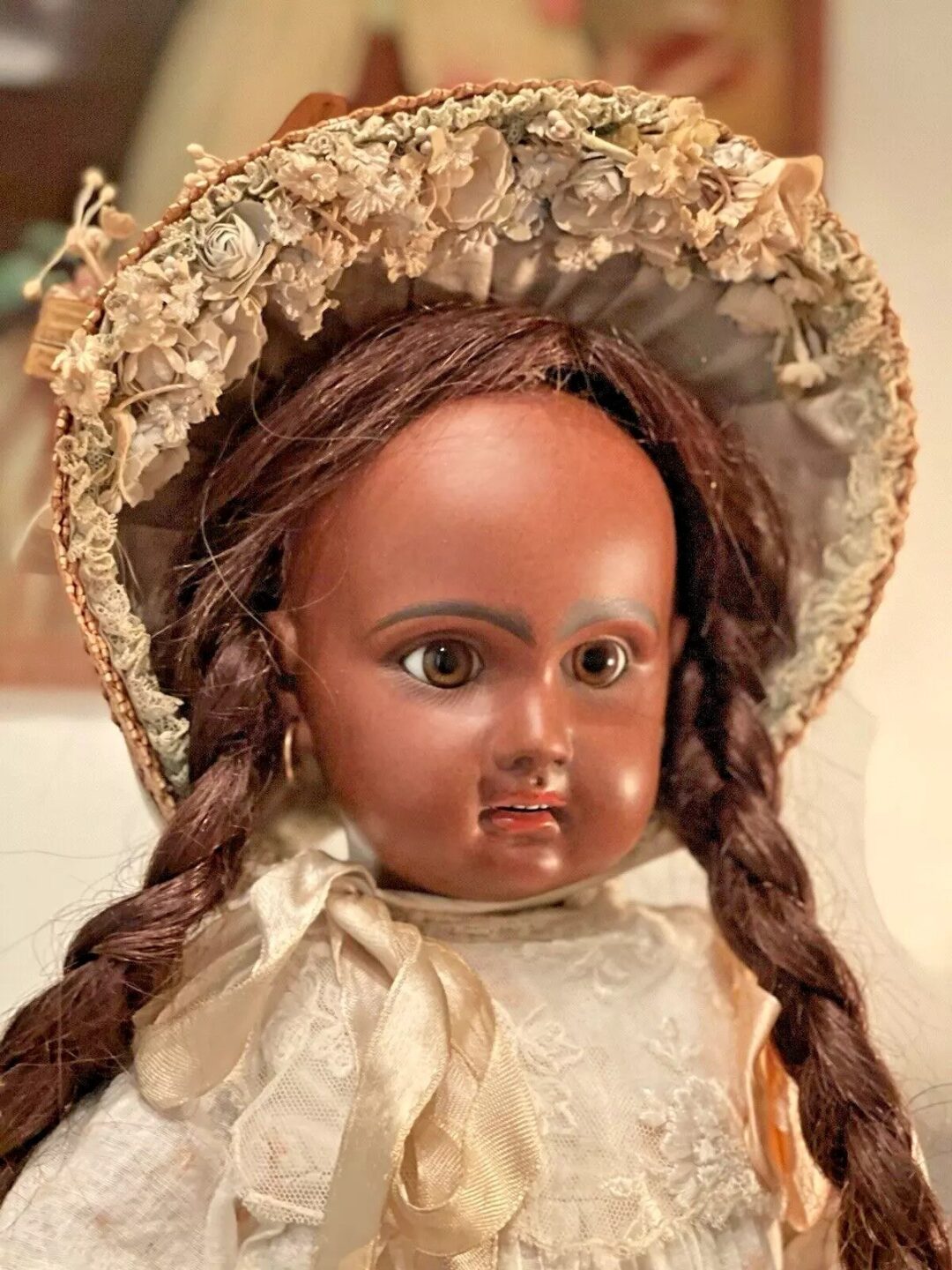
Bisque and porcelain dolls have heads made from fired clay. They often have a smooth, matte finish. These dolls usually have glass eyes and painted features.
- Bisque dolls have an unglazed, matte surface.
- Porcelain dolls have a shiny, glazed finish.
- Both types are fragile and can chip easily.
- They often wear period costumes and wigs made from real hair.
Composition And Plastic Dolls
Composition dolls are made from a mix of materials like sawdust, glue, and resin. Plastic dolls became popular later and are lighter and more durable.
| Type | Material | Common Traits |
|---|---|---|
| Composition | Mix of sawdust, glue, resin | Heavier, can crack or craze over time |
| Plastic | Early plastics like celluloid or hard plastic | Lighter, less fragile, often shiny surface |
Cloth And Rag Dolls
Cloth and rag dolls are soft dolls made from fabric. They often have stitched or painted faces. These dolls are less fragile and easy to spot by their textile bodies.
- Soft bodies stuffed with cotton or wool
- Faces made from cloth with sewn or painted details
- Often handmade or produced in small batches
- Clothing sewn directly onto the doll
Credit: wealthgang.com
Avoiding Common Mistakes
Collecting vintage dolls is a rewarding hobby. It’s important to know what to avoid. Mistakes can be costly.
By learning to spot common errors, you can make wiser choices. Here are some tips to help you avoid these pitfalls.
Spotting Reproductions And Fakes
Reproductions and fakes look like original dolls. They can trick even seasoned collectors. Examine the doll closely.
Check for unusual markings or materials. Authentic vintage dolls have signs of age. Newer materials can be a giveaway.
- Look for wear on joints
- Check for faded colors
- Inspect doll clothes for age
Misinterpreting Restoration Work
Restoration work can improve a doll’s appearance. However, it might lower its value. Know the difference.
Restored dolls often have newer parts. These parts may not match the original. Carefully inspect for mismatches.
- Check for new paint
- Look for replaced limbs
- Examine hair for synthetic fibers
Overlooking Provenance
Provenance tells a doll’s history. It can greatly affect value. Always ask for documentation.
Provenance might include receipts or photos. These can prove a doll’s authenticity. Never ignore this important factor.
- Request original receipts
- Ask for family photos
- Seek certificates of authenticity
Caring For Vintage Dolls
Vintage dolls are treasures that need special care. Proper handling ensures they remain in good condition for years.
This guide will help you learn how to clean, store, and handle vintage dolls with care.
Cleaning And Storage Tips
Cleaning vintage dolls requires gentle techniques. Use mild soap and water for surface cleaning.
- Use a soft cloth or sponge to avoid scratches.
- Store dolls in a cool, dry place away from sunlight.
- Keep dolls in a dust-free environment.
Handling Fragile Materials
Fragile materials like porcelain need extra care. Always handle dolls with clean hands to prevent damage.
Preserving Doll Clothing
Doll clothing should be preserved just like the dolls. Hand wash delicate fabrics with care.
| Fabric Type | Washing Method |
| Cotton | Gentle hand wash |
| Silk | Spot clean only |
| Wool | Cold water wash |

Credit: www.reddit.com
Frequently Asked Questions
How Can I Tell If A Doll Is Truly Vintage?
Check the doll’s materials, markings, and wear. Vintage dolls often show signs of age and craftsmanship. Research the manufacturer’s marks for authenticity.
What Materials Were Used In Vintage Dolls?
Vintage dolls are commonly made from bisque, porcelain, composition, and early plastics. Each material reflects the doll’s era and value.
Why Are Markings Important For Vintage Doll Identification?
Markings reveal the maker, production year, and origin. These details help verify the doll’s authenticity and historical significance.
How Does The Doll’s Condition Affect Its Vintage Status?
Condition impacts value but not vintage status. Wear and repairs are common, but original features matter most for identification.
Conclusion
Identifying vintage dolls takes careful observation and patience. Check materials, markings, and wear signs closely. Study doll styles from different decades to spot age clues. Trust your instincts and compare with trusted guides or experts. Enjoy the hunt and learn from each discovery.
Vintage dolls tell stories from the past. Keep exploring and appreciating their unique charm. This makes collecting both fun and rewarding.