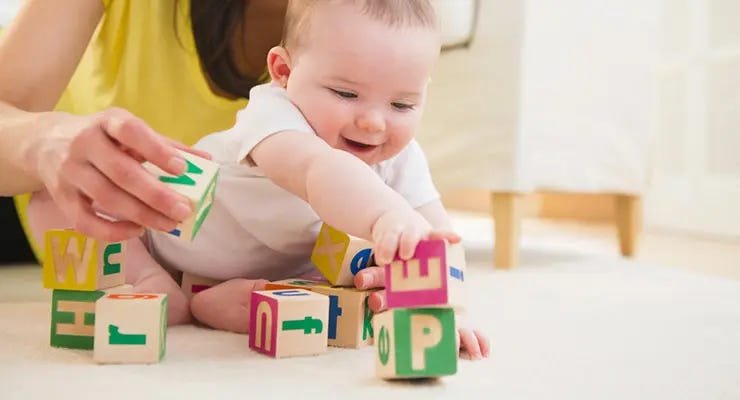
Your baby’s wooden toys are more than just playthings—they are part of their early exploration and learning. But have you ever wondered how to clean these toys safely without damaging them?
Keeping wooden toys clean is key to protecting your little one from germs while preserving the natural beauty of the wood. You’ll discover simple, effective ways to clean your baby’s wooden toys using safe materials you probably already have at home.
Ready to make sure your baby’s playtime stays fun and healthy? Let’s dive in!
Importance Of Cleaning Baby Toys
Cleaning wooden baby toys is essential for your child’s health and safety. Toys often collect dirt, germs, and bacteria from constant handling. These microorganisms can cause infections and allergies in babies. Regular cleaning helps remove these harmful agents and keeps toys safe.
Wooden toys absorb moisture and dirt easily. This makes them a perfect place for germs to grow if not cleaned properly. A clean toy ensures your baby plays in a hygienic environment. It also prolongs the toy’s life by preventing damage from grime and mold.
Preventing The Spread Of Germs
Babies put toys in their mouths often. This transfers germs from hands to toys and back to the baby. Cleaning toys stops this cycle. It reduces illness and keeps your baby healthier.
Wood can crack or warp from dirt and moisture. Cleaning removes buildup that damages the surface. Well-maintained toys last longer and stay safe to use.
Creating A Safe Play Environment
A clean play area is vital for baby’s growth. Clean toys reduce exposure to harmful substances. This supports healthy development and comfort during playtime.
Encouraging Good Hygiene Habits
Cleaning toys regularly teaches children the value of cleanliness. It sets a good example for them to follow. Clean toys promote better hygiene habits from a young age.
Materials For Cleaning Wooden Toys
Cleaning wooden baby toys requires gentle materials to keep them safe and intact. Harsh chemicals or rough tools can damage the wood or remove its finish. Choosing the right cleaning materials helps maintain the toy’s appearance and safety for your child.
Using natural and mild ingredients protects the wood and prevents toxic residues. The tools you use should be soft and non-abrasive to avoid scratches or dents. Proper materials make the cleaning process easier and more effective.
Safe Cleaning Solutions
- Warm water mixed with mild dish soap
- White vinegar diluted with water (1 part vinegar to 4 parts water)
- Coconut oil or olive oil to moisturize and protect wood after cleaning
- Baking soda paste for gentle scrubbing on tough stains
- Natural castile soap as a gentle cleanser
Avoid bleach, harsh detergents, or any strong chemicals. These can harm the wood and be unsafe for babies.
Essential Tools
- Soft cloths or microfiber towels for wiping
- Soft-bristle brush or toothbrush for crevices
- Small bowl or bucket for mixing cleaning solutions
- Spray bottle to apply cleaning liquids evenly
- Dry towel to remove moisture quickly
Never use abrasive sponges or steel wool. These tools can scratch and damage wooden surfaces.
Step-by-step Cleaning Process
Cleaning wooden baby toys keeps them safe and long-lasting. Dirt, germs, and sticky residues can build up. Regular cleaning protects your baby from harmful bacteria. Follow this simple step-by-step process to clean wooden toys effectively.
Preparing The Toys
Start by inspecting each toy for damage or cracks. Remove batteries or electronic parts if any. Wipe off loose dirt with a soft cloth or brush. Avoid soaking toys that have glued parts or paint that can peel. Gather mild soap, water, and a clean cloth before starting.
Cleaning Techniques
- Mix warm water with a small amount of mild soap.
- Dampen a soft cloth or sponge with the soapy water.
- Gently wipe the surface of each toy, avoiding excess water.
- For stubborn spots, use a soft toothbrush to scrub lightly.
- Never soak wooden toys in water to prevent warping.
- Use a clean damp cloth to remove soap residue.
Drying Methods
Pat toys dry with a clean towel immediately after cleaning. Place toys on a dry, flat surface in a well-ventilated area. Avoid direct sunlight or heat sources that can crack the wood. Let toys air dry completely before storing or giving back to your child.

Credit: www.montessoriinreallife.com
Maintaining Toy Quality
Maintaining the quality of wooden baby toys ensures they stay safe and enjoyable for your child. Proper care helps the toys last longer and keeps their natural beauty. Gentle cleaning and careful handling protect the wood and its finish from damage. Regular checks and smart cleaning habits keep the toys in top shape.
Preserving The Finish
Use a soft, damp cloth for cleaning wooden toys. Avoid soaking the wood in water, which can cause swelling or cracks. Dry the toys immediately with a clean towel to stop moisture damage. Apply a child-safe oil or wax occasionally to keep the wood smooth. This helps prevent dryness and cracking. Avoid harsh chemicals, as they can strip the finish and harm your child.
Avoiding Common Mistakes
- Do not use abrasive cleaners or scrub brushes that can scratch the wood.
- Avoid soaking wooden toys in water for long periods.
- Keep toys away from direct sunlight to prevent fading and warping.
- Never put wooden toys in a dishwasher or washing machine.
- Do not use bleach or strong disinfectants that damage wood fibers.
Following these tips will keep wooden baby toys looking great and safe for play. Proper care protects the wood and keeps your child healthy.
Safety Tips For Cleaning
Cleaning wooden baby toys requires care to keep them safe and in good shape. Using the right products and methods protects your child from harmful chemicals. It also helps the toys last longer without damage. Follow these safety tips for a clean and safe playtime experience.
Non-toxic Products
Choose cleaning products that are free from harsh chemicals. Natural ingredients like vinegar and mild soap work well. Avoid bleach, ammonia, or strong detergents. These can harm your baby and damage the wood. Always rinse toys thoroughly after cleaning. Let them dry completely before giving them back to your child.
Preventing Damage
Wood is sensitive to water and harsh scrubbing. Use a soft cloth or sponge for cleaning. Do not soak wooden toys in water. This can cause swelling or cracks. Keep toys away from direct sunlight during drying. Store them in a dry place to avoid mold and mildew. Regular gentle cleaning keeps toys safe and beautiful.
Eco-friendly Cleaning Options
Choosing eco-friendly cleaning options for wooden baby toys helps protect your child and the planet. These methods avoid harsh chemicals that can damage wood or harm your baby’s health. Using natural ingredients keeps toys safe and maintains their quality over time.
Natural Cleaning Agents
Natural cleaning agents are gentle and effective for wooden toys. Vinegar, baking soda, and mild castile soap work well to remove dirt and germs. Mix a small amount of soap with warm water for a safe cleaning solution.
- Use white vinegar diluted with water to disinfect toys.
- Apply baking soda paste to remove tough stains.
- Wipe toys with a cloth dampened in mild soap water.
Let toys air dry completely to avoid moisture damage. These agents are safe for babies and leave no harmful residues.
Reducing Environmental Impact
Reducing environmental impact means choosing cleaning methods that use fewer resources and produce less waste. Avoid disposable wipes or harsh chemical cleaners that pollute water and soil.
- Reuse cloths or sponges for cleaning instead of paper towels.
- Opt for biodegradable soaps and natural disinfectants.
- Clean toys with cold or lukewarm water to save energy.
These small changes help keep your home and Earth cleaner and safer for your little one.
Storage And Care After Cleaning
Keeping wooden baby toys clean is just the beginning. How you store and care for them after cleaning plays a big role in keeping them safe and looking great. Proper storage and a regular cleaning schedule can prevent damage and keep germs away.
Proper Storage Techniques
Store wooden toys in a dry, cool place to avoid warping or cracking. Avoid direct sunlight, as it can fade the wood and dry it out. A breathable fabric bag or a wooden box with ventilation holes works well to keep moisture levels balanced.
Try to keep toys separated to prevent scratches or dents. Using dividers or small compartments can help organize toys and protect their surfaces. Have you noticed how clutter can actually shorten a toy’s lifespan?
Regular Cleaning Schedule
Set a routine for cleaning your wooden toys. Wiping them down weekly with a damp cloth and mild soap keeps dirt and bacteria at bay without damaging the wood. This simple habit can make a huge difference in hygiene.
Deep clean toys every few months by gently scrubbing with a soft brush and natural cleaning solutions like vinegar diluted in water. Let toys air dry completely before putting them away to avoid mold growth. What’s your current cleaning routine, and could it use a refresh?

Credit: www.tiktok.com

Credit: www.facebook.com
Frequently Asked Questions
How Often Should I Clean Wooden Baby Toys?
Clean wooden baby toys every one to two weeks. Frequent cleaning prevents bacteria buildup and keeps toys safe. Wipe with a damp cloth regularly to maintain hygiene between deep cleans.
What Cleaning Solutions Are Safe For Wooden Baby Toys?
Use mild soap and water or a vinegar-water mix. Avoid harsh chemicals and bleach as they damage wood and harm babies. Always rinse well and dry toys completely.
Can I Use Disinfectant Wipes On Wooden Baby Toys?
Disinfectant wipes may contain chemicals unsafe for babies. Instead, use gentle soap and water or a natural vinegar solution. Wipe toys gently and dry thoroughly to avoid moisture damage.
How Do I Dry Wooden Baby Toys After Cleaning?
After cleaning, air dry toys in a well-ventilated area. Avoid direct sunlight to prevent wood cracking or warping. Ensure toys are completely dry before giving them back to your baby.
Conclusion
Cleaning wooden baby toys keeps them safe and lasts longer. Use mild soap and water, then dry well. Avoid soaking or harsh chemicals to protect the wood. Regular cleaning stops germs and keeps toys fresh. A little care helps your child enjoy toys safely every day.
Simple steps make a big difference in toy hygiene. Keep cleaning easy and part of your routine. Safe toys, happy babies!