Have you ever wondered how dolls come to life? From the smooth finish of their faces to the tiny details in their clothes, every part of a doll has a story.
Understanding how dolls are made can change the way you see these beloved toys. You’ll discover the fascinating steps behind creating dolls, the materials used, and the craftsmanship involved. By the end, you’ll appreciate your favorite doll in a whole new way—and maybe even see the magic in making one yourself.
Keep reading to unlock the secrets behind how dolls are made!
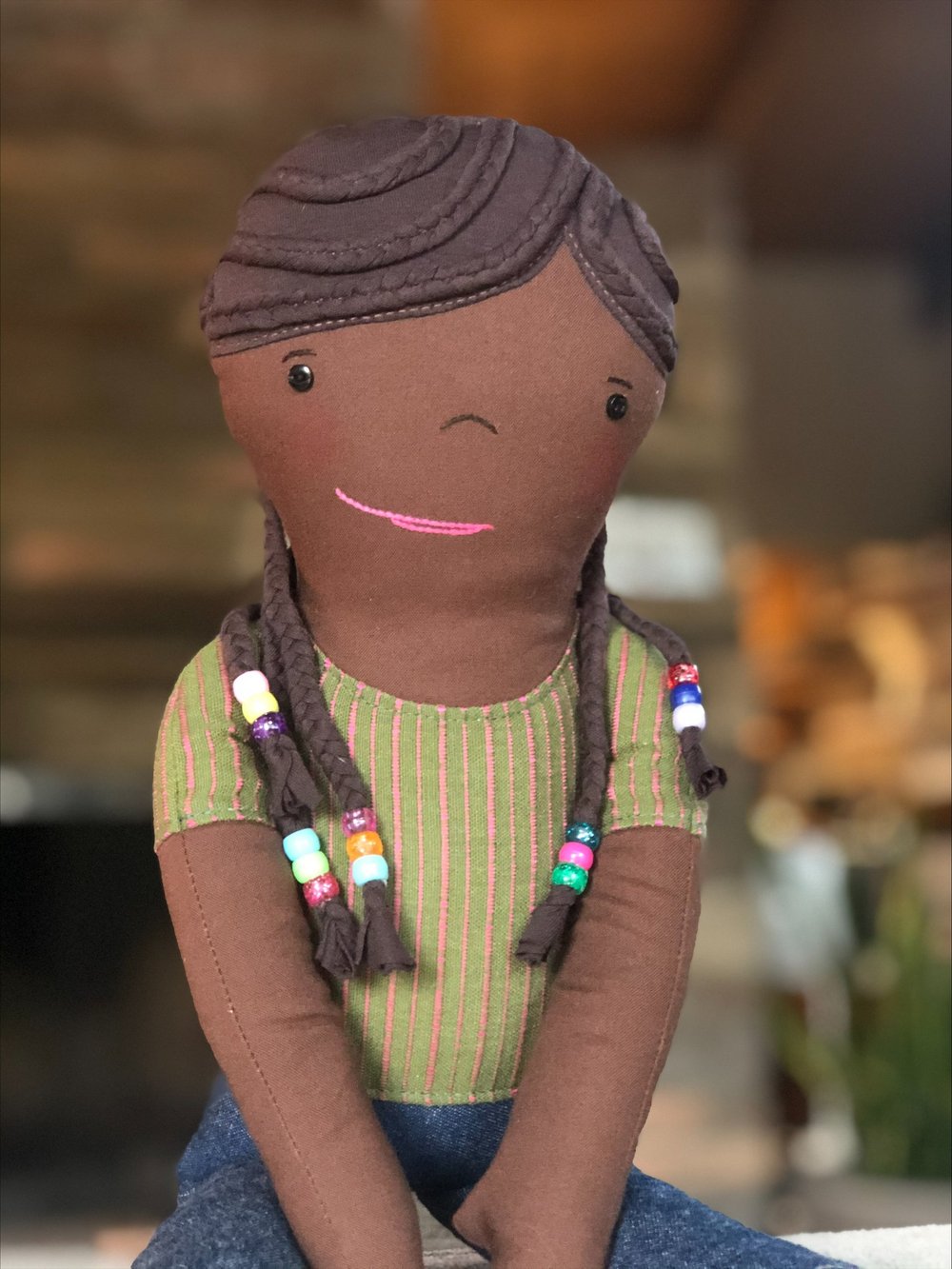
Credit: www.boltfabricboutique.com
Materials Used
Dolls are made using many materials. These materials give dolls their shape and look.
Choosing the right materials is important for making dolls safe and attractive.
Types Of Fabrics And Plastics
Fabrics and plastics form the main body and clothes of many dolls. These materials need to be soft or firm depending on the doll type.
Common fabrics include cotton, felt, and polyester. Plastics like vinyl and ABS are also popular.
- Cotton:Soft and easy to sew for doll clothes.
- Felt:Thick and holds shape well for accessories.
- Polyester:Durable and used for soft doll bodies.
- Vinyl:Smooth plastic used for doll faces and limbs.
- ABS Plastic:Strong and hard, used for durable parts.
Paints And Finishing Materials
Paints add color and life to dolls. They make features like eyes and lips look real.
Finishing materials protect the paint and give dolls a nice shine or matte look.
- Acrylic paints: Bright and safe for dolls.
- Water-based paints: Easy to clean and non-toxic.
- Sealants: Protect paint from scratches and wear.
- Gloss varnish: Adds shine to doll surfaces.
- Matte varnish: Gives a soft, non-shiny finish.
Accessories and clothing complete the doll’s look. They use small parts and fabrics for detail.
Materials like buttons, ribbons, and laces help decorate dolls. Clothes often use soft and colorful fabrics.
- Buttons: Small and used as decoration or fasteners.
- Ribbons: Add color and style to doll outfits.
- Lace: Used for delicate clothing details.
- Velcro: Helps clothes stay on dolls easily.
- Thread: Holds all fabric parts together securely.
Design And Concept
Making a doll starts with a clear design and concept. This stage shapes how the doll will look and feel.
Designers think about the doll’s personality and style before creating it.
Sketching The Doll
Artists begin by drawing the doll on paper or digital tools. These sketches show the doll’s pose and outfit.
- Draw different body shapes and sizes
- Try various clothing styles
- Create multiple facial expressions
Choosing Features And Expressions
Designers pick the doll’s eyes, hair, and smile. These features give the doll its character.
| Feature | Options |
| Eyes | Blue, Green, Brown, Hazel |
| Hair | Curly, Straight, Short, Long |
| Expression | Happy, Thoughtful, Curious |
Finalizing The Prototype
The last step is making a real model of the doll. This lets designers see the doll in 3D.
Here is what happens during prototype finalization:
- Build the doll’s body using clay or resin
- Paint the face and add hair
- Test the doll’s joints and movement
- Make changes to improve the design
Molding And Casting
Dolls start as simple shapes before they become detailed figures. Molding and casting shape these parts carefully. This process uses molds to copy the doll’s design.
Each step must be precise to get smooth and strong doll pieces. The material used depends on the doll type, like plastic or resin.
Creating The Mold
The first step is making a mold. A model or prototype of the doll part is made. This model is then covered with soft material like silicone or rubber. This material captures all the small details.
- The model is cleaned and prepared.
- Liquid mold material is poured over the model.
- The mold is left to set and harden.
- The mold is carefully removed from the model.
Casting The Doll Parts
After the mold is ready, casting begins. Liquid material is poured inside the mold. This material can be resin, vinyl, or plastic.
| Material | Common Use | Drying Time |
| Resin | Detailed parts | 15-30 minutes |
| Vinyl | Soft doll bodies | 30-60 minutes |
| Plastic | Hard doll parts | 10-20 minutes |
The mold fills completely. Air bubbles must be avoided to keep the doll smooth. Once filled, the mold is closed or sealed if needed.
Curing And Setting
After casting, the doll parts need time to cure. This means the material hardens and sets its shape. Curing times vary by material.
- Leave the cast parts in the mold for a set time.
- Remove parts carefully once hardened.
- Check parts for defects or bubbles.
- Trim any extra material from edges.
Credit: medium.com
Assembly Process
The assembly process is a key part of making dolls. It brings together all the parts to create a complete doll.
Each step must be done carefully to ensure the doll looks good and works well.
Attaching Limbs And Head
First, the arms, legs, and head are attached to the doll’s body. This gives the doll its shape.
Workers use glue or small connectors to hold the parts in place. The parts must fit tightly to avoid falling off.
Securing Joints
Next, the joints are secured. Joints let the doll move its arms and legs.
Manufacturers use screws, pins, or elastic bands to hold the joints. This keeps the limbs strong but flexible.
- Screws fasten plastic parts together
- Pins connect metal or plastic pieces
- Elastic bands allow smooth movement
Adding Hair And Eyes
Finally, hair and eyes are added. These details make the doll look more real and friendly.
Hair can be glued or sewn on. Eyes are often painted or inserted as small plastic pieces.
Painting And Detailing
Painting and detailing bring dolls to life. These steps add color and personality to each doll.
Artists carefully paint the face and body. They add fine details to make the doll look realistic.
Facial Features Painting
Painting facial features is a delicate task. Artists use tiny brushes to paint eyes, lips, and eyebrows.
They apply several layers of paint. This makes the colors look bright and natural.
- Eyes are painted with great detail
- Eyebrows shape the doll’s expression
- Lips get soft, natural colors
Body Detailing
Body detailing adds texture and color to the doll’s skin. This includes painting nails and adding blush.
Small details like freckles or moles make dolls unique. Some dolls get extra shading to show muscle or bone structure.
- Paint nails with soft or bright colors
- Add blush to cheeks and joints
- Use shading for depth and realism
Applying Finishing Touches
Finishing touches protect the paint and add shine. Clear coats help keep colors from fading.
Sometimes artists add tiny accessories or decals. These final details complete the doll’s look.
- Use clear sealant to protect paint
- Add gloss to eyes or lips for shine
- Attach small stickers or decals

Credit: www.youtube.com
Clothing And Accessories
Dolls come to life with their clothing and accessories. These elements add charm and personality to every doll.
Creating these tiny outfits involves careful design, sewing, and decoration. Each step requires skill and attention to detail.
Designing Outfits
Designers draw sketches of the doll’s clothes. They choose styles and colors that fit the doll’s character.
Patterns are made to guide the cutting of fabric. These help in making the clothes fit perfectly.
- Sketch the outfit idea
- Select the fabric and colors
- Create patterns for cutting
Sewing And Fitting Clothes
Small pieces of fabric are cut and sewn together. This forms the main parts of the doll’s outfit.
Each piece is carefully fitted on the doll. Adjustments ensure the clothes fit just right.
- Cut fabric pieces using patterns
- Sew pieces to form the outfit
- Fit and adjust on the doll
Adding Accessories
Accessories complete the doll’s look. Tiny shoes, hats, and bags are crafted to match the outfits.
Each accessory is designed to be stylish and functional. They add extra charm to the doll.
- Design matching shoes and hats
- Create bags and jewelry
- Ensure accessories fit the theme
Quality Control
Quality control ensures dolls are safe and well-made. It involves careful checks at each production step.
Each part of the doll is inspected for defects. This guarantees high standards before they reach stores.
Inspection Procedures
Inspection is a key part of making dolls. Each doll is checked for flaws in its materials and design.
Inspectors look for issues like loose parts, uneven paint, and sharp edges. This ensures each doll is perfect.
- Check for loose threads or seams
- Ensure paint is even and non-toxic
- Verify all parts are securely attached
Safety Testing
Safety tests are crucial for doll production. They ensure dolls are safe for children to play with.
These tests include checking for choking hazards and ensuring materials are non-toxic. Safety is a top priority.
- Test small parts for choking hazards
- Ensure materials are lead-free
- Conduct drop tests for durability
Packaging Standards
Packaging protects the doll during transport. It also provides important information to consumers.
Each package is checked for durability and clarity. Labels must be easy to read and informative.
- Use sturdy materials for boxes
- Include clear age and safety labels
- Ensure packaging is appealing to customers
Customization And Special Editions
Dolls come in many forms. Customization lets collectors get unique pieces. Special editions make dolls rare and valuable.
This guide explores hand-painted dolls, limited edition releases, and personalized features. Each offers a special touch to doll making.
Hand-painted Dolls
Hand-painted dolls have details added by artists. Each brushstroke adds life and character. No two dolls are exactly the same.
- Facial features painted with care
- Unique color shades
- Delicate patterns on clothing
- Custom hair coloring
Limited Edition Releases
Limited editions have a set number of dolls made. This makes them collectible and sought after. They often have special packaging.
| Edition Name | Number Made | Special Feature |
| Spring Blossom | 500 | Floral dress with glitter |
| Winter Magic | 300 | Snowflake patterns and scarf |
| Autumn Glow | 400 | Leaf-shaped accessories |
Personalized Features
Personalized dolls are made to order. Buyers choose specific traits to make them unique. This can include names and colors.
- Choice of eye and hair color
- Custom outfits
- Engraved name tags
- Special packaging messages
Frequently Asked Questions
How Are Dolls Designed Before Manufacturing?
Doll design starts with sketches and 3D modeling. Designers create detailed plans for appearance, size, and materials. This step ensures the final doll meets aesthetic and functional standards before production begins.
What Materials Are Commonly Used To Make Dolls?
Dolls are made from vinyl, plastic, cloth, and porcelain. Vinyl and plastic offer durability and detail. Cloth provides softness, while porcelain adds a classic, delicate touch for collectible dolls.
How Are Doll Parts Assembled During Production?
Doll parts are molded separately, then carefully assembled. Heads, limbs, and bodies are attached using adhesives or joints. This process ensures each doll is sturdy and allows for movement where designed.
What Finishing Touches Are Added To Dolls?
Finishing touches include painting facial features, adding hair, and clothing. These details bring dolls to life and enhance their appeal. Quality checks ensure these elements are precise and well-applied.
Conclusion
Dolls start as simple ideas and take shape through many steps. Craftsmen carefully mold, paint, and dress each doll by hand. Every doll tells a story through its design and details. This process blends art, skill, and creativity. Understanding how dolls are made makes us appreciate their value more.
Next time you see a doll, remember the work behind it. Dolls are more than toys; they reflect culture and care. The making of dolls is a journey of patience and passion.