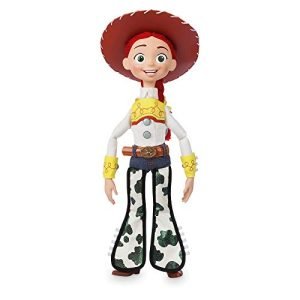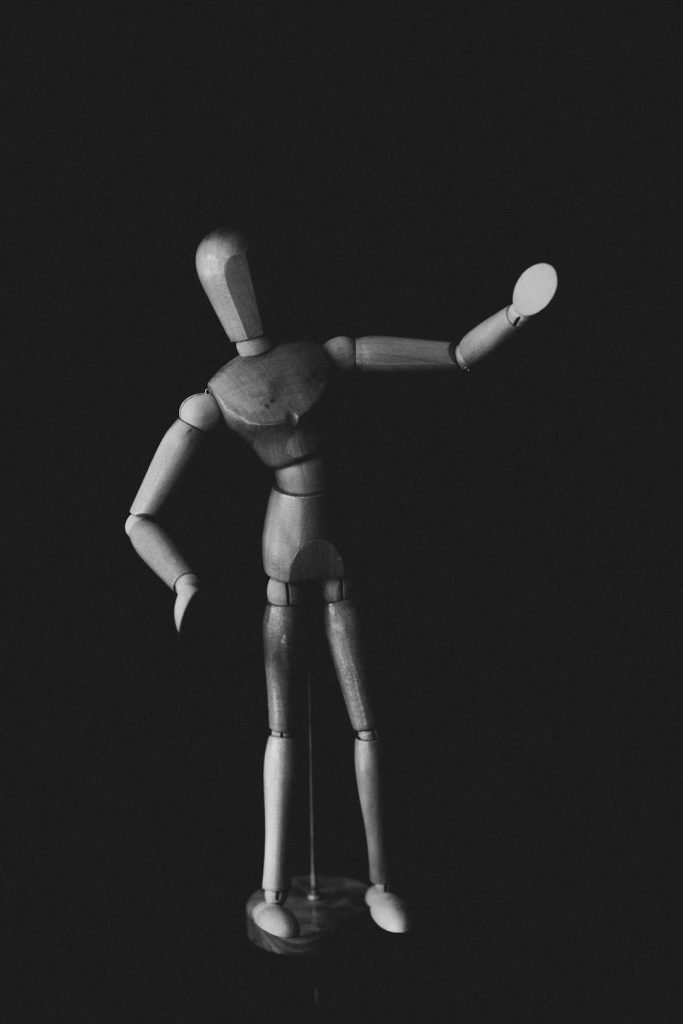
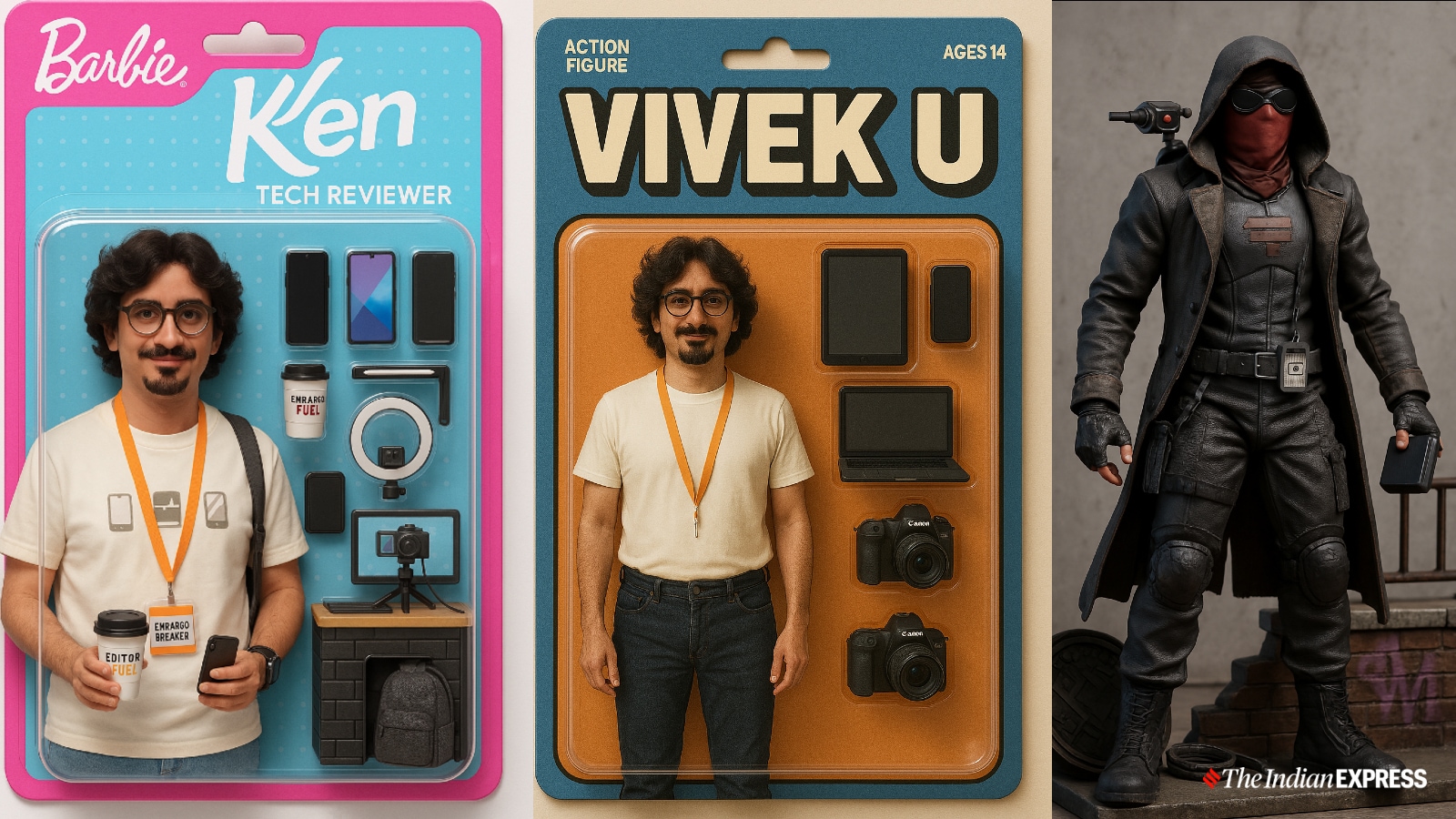
Have you ever wished you could turn yourself into an action figure? Imagine holding a tiny, detailed version of you—your style, your pose, your personality—all captured in one cool collectible.
Creating your own action figure might sound tricky, but it’s easier than you think. You’ll discover simple steps to bring your miniature self to life. Ready to impress your friends or add a unique keepsake to your collection? Keep reading, and you’ll learn exactly how to make it happen.

Credit: www.facebook.com
Choosing Your Character
Choosing your character is the crucial first step in making yourself an action figure. This decision shapes every detail, from the figure’s look to its pose and accessories. Think about who you want to be in miniature form and why that version of you matters.
Inspiration Sources
Look around you for ideas. Your favorite superhero, a beloved movie character, or even a memorable moment in your life can spark creativity. Sometimes, the best inspiration comes from unexpected places—like a hobby you love or a dream you want to chase.
Ask yourself: What qualities do I admire in others? What stories do I want my action figure to tell? Your character can be a blend of real-life traits and imaginative twists.
Character Traits
Decide on the personality and features that define your character. Are you brave and bold or clever and cautious? These traits should be clear in the design, from facial expressions to posture.
- Choose a signature pose that matches your character’s energy.
- Pick accessories that highlight your skills or hobbies.
- Consider colors and details that reflect your style.
Think about the story you want your action figure to tell. What makes your character stand out? This focus will help you create a figure that feels truly yours.
Designing Your Action Figure
Designing your own action figure is an exciting creative process. It lets you bring your ideas to life in a fun, tangible way. Careful planning helps your figure look unique and detailed. Focus on two main parts: sketching and choosing the right materials. These steps shape your figure’s final look and feel.
Sketching Ideas
Start by drawing rough sketches of your action figure. Use simple shapes to outline the body and pose. Think about the character’s style, clothes, and accessories. Draw multiple versions to explore different looks. Keep your sketches clear but flexible for changes. This helps you visualize the figure before making it.
- Draw front, side, and back views
- Focus on key features like face and hands
- Experiment with different poses and expressions
- Use pencil for easy corrections
Selecting Materials
Choosing the right materials affects your figure’s durability and detail. Use lightweight clays or plastics for easy molding. Harder materials work well for strong, lasting parts. Consider texture and color options to match your design. Some materials allow painting or adding small details later.
- Air-dry clay for quick shaping
- Polymer clay for detailed features
- Plastic or resin for sturdiness
- Paints and sealants for finishing touches
Crafting The Body
Crafting the body of your action figure is a key part of the process. This stage shapes how your figure looks and moves. It involves careful design and attention to detail. A well-crafted body brings your figure to life.
Sculpting Techniques
Start with a simple frame for support. Use wire or aluminum foil to form the basic shape. This keeps the figure stable and light.
Choose clay that hardens, like polymer clay or air-dry clay. Apply it over the frame, adding muscle shapes and details slowly. Smooth the surface with water or tools for a clean finish.
Work in layers. Let each layer dry before adding the next. This prevents cracks and keeps details sharp.
Use small tools or household items to create textures. For example, a toothpick can add hair or wrinkles. Be patient and make small adjustments often.
Creating Movable Parts
Movable parts make your figure poseable and fun. Plan which joints will move, such as shoulders, elbows, hips, and knees.
Use small metal pins, screws, or ball joints for strong connections. Drill tiny holes carefully to insert these parts. Make sure parts fit snugly but can still rotate.
Test each joint as you go. Adjust tightness to avoid loose or stiff movement. Use plastic or rubber washers to improve flexibility if needed.
Keep moving parts simple at first. Add more complex joints later if desired. Balance between durability and ease of movement is important.
Painting And Detailing
Painting and detailing bring your action figure to life. This stage transforms a plain model into a unique piece that reflects your personality and style. Paying close attention here can make all the difference between a basic figure and a showstopper.
Color Selection
Choosing the right colors sets the tone for your action figure. Think about the character or vibe you want to convey—are you aiming for bold and bright or subtle and realistic? Using a limited palette often helps maintain consistency and avoids overwhelming the design.
Consider testing your colors on a separate surface before applying them to your figure. This lets you see how they look when dry, as some paints can change shade. Also, remember that matte, glossy, and satin finishes can affect the final appearance significantly.
Adding Fine Details
Details make your figure stand out and show your craftsmanship. Use fine-tipped brushes or even toothpicks to add small features like eyes, buttons, or logos. Patience here pays off—rushing can lead to smudges and uneven lines.
Try layering colors to create depth and texture. For example, adding a lighter shade over a darker base can highlight raised areas and give your figure dimension. Have you ever noticed how tiny details make a character feel more real and memorable?
- Use magnifying tools to see and paint tiny areas clearly.
- Work in a well-lit space to avoid mistakes.
- Seal your paint with a clear coat to protect your hard work.
Costume And Accessories
Creating a costume and accessories for your action figure is where your character truly comes to life. These elements tell a story and show personality through every stitch and detail. Paying attention to fabric and crafting accessories can make your figure stand out from the rest.
Fabric Choices
Choosing the right fabric is essential for a realistic and durable costume. You want materials that are easy to cut and sew but also look good at a small scale. Cotton, felt, and thin jersey fabrics are popular because they hold shape and don’t fray easily.
Think about the character you’re creating. Is the outfit casual, formal, or armor-like? Soft fabrics work well for casual clothes, while shiny or textured fabrics add flair to superhero costumes. Don’t forget stretch fabrics if your figure needs a snug fit.
Have you ever tried using household items like old t-shirts or scrap fabric? They’re great for experimenting before buying new materials. This helps you save money and discover what feels right for your design.
Crafting Accessories
Accessories give your action figure a unique edge. Small items like belts, hats, or weapons can be made from everyday materials such as cardboard, beads, or polymer clay. You just need a bit of creativity and patience.
Use tools like scissors, glue, and paint to shape and color your accessories. For example, a tiny shield can start as a bottle cap painted with your character’s emblem. Adding details like buckles or buttons can be as simple as gluing on tiny beads or bits of wire.
What accessories capture your character’s essence? Maybe a pair of glasses or a signature weapon? These details invite people to connect with your figure and imagine stories around it.
Credit: www.lemon8-app.com
Adding Personality
Adding personality to your action figure brings it to life. It makes the figure feel unique and special. Small details give your figure character and charm. Focus on the face and unique traits that define you.
Facial Features
The face shows emotions and personality. Start with the eyes—they express mood and spirit. Shape the eyebrows to match your usual expression. Add a smile or a serious look based on your style.
Don’t forget the nose and lips. These small details make a big difference. Use colors that match your skin tone and eye color. This creates a realistic and personal touch.
Unique Traits
Think about what makes you stand out. Freckles, scars, or a beauty mark add character. Consider your hairstyle and how it reflects your personality. Accessories like glasses or hats make your figure more personal.
Clothing style also plays a big role. Choose colors and patterns that represent you. Small details, like a favorite necklace or watch, add authenticity. These unique traits make your figure truly yours.
Showcasing Your Creation
Once your action figure is ready, showing it off can be just as exciting as creating it. How you display and photograph your figure can highlight the details and craftsmanship you worked hard to achieve. A great presentation makes your creation stand out and invites others to appreciate your effort.
Display Techniques
Think about where and how you want to display your action figure. Clear acrylic cases protect your figure from dust and damage while offering a clean view. If you prefer an open display, consider a dedicated shelf with adjustable lighting to emphasize key features.
Use stands or custom bases to pose your figure in dynamic positions. This adds personality and brings your creation to life. Grouping your figure with related accessories or other figures can create a storytelling scene that captures attention.
- Choose a background color that contrasts with your figure to make it pop.
- Use small LED lights to highlight facial details or textures.
- Rotate your figure occasionally to prevent fading from constant light exposure.
Photography Tips
Capturing your action figure in photos is key to sharing your work online or keeping memories. Natural light often works best, but avoid direct sunlight which can cause harsh shadows. Position your figure near a window or use a soft light source for even illumination.
Experiment with different angles—shoot at eye level with your figure to create a sense of connection. Close-up shots reveal intricate details, while wider shots show the full pose and setting. Use a plain background to keep the focus on your figure and reduce distractions.
- Use a tripod or stable surface to avoid blurry images.
- Try macro mode on your camera or smartphone for sharp detail shots.
- Adjust the focus manually to emphasize specific parts like the face or accessories.
Have you tried creating a mini scene around your figure for photos? Sometimes adding simple props can tell a story and make your photos more engaging. What’s your favorite way to showcase your action figure?
Maintenance And Care
Taking care of your custom action figure is just as important as creating it. Proper maintenance helps keep your figure looking fresh and protects your effort from wear and tear. Without routine care, even the coolest action figure can lose its charm quickly.
Cleaning Methods
Dust and dirt can build up on your action figure over time, dulling its colors and details. Use a soft brush or a microfiber cloth to gently wipe away surface dust regularly. Avoid harsh chemicals; instead, try mild soap mixed with water for tougher grime.
Be careful with joints and painted areas. Too much moisture or scrubbing can damage the paint or loosen parts. Have you ever noticed how gentle cleaning extends the life of your favorite gadgets? The same applies here.
Repairing Damages
Even the most carefully handled figures can suffer chips, cracks, or loose joints. Keep some super glue or model putty handy for small fixes. Apply glue sparingly and hold parts together until set to avoid mess and ensure a strong bond.
If paint chips or scratches appear, touch them up with matching acrylic paint. Test the paint on a hidden spot first to check compatibility. Do you have a favorite repair trick that saved your figure? Sharing tips can make these fixes easier and more effective.
Credit: startupnews.fyi
Frequently Asked Questions
How Do I Start Making My Own Action Figure?
Begin by choosing a design and gathering materials like clay or 3D modeling software. Then, sculpt or print the figure, add details, and paint it carefully for a personalized action figure.
What Materials Are Best For Homemade Action Figures?
Common materials include polymer clay, resin, and plastic. Each offers durability and detail. Choose based on your skill level and the figure’s intended use.
Can I Customize An Action Figure’s Features Easily?
Yes, customizing features is possible by sculpting or modifying existing figures. Use fine tools and paint to achieve unique facial expressions and clothing details.
How Long Does It Take To Make A Personal Action Figure?
Creating an action figure can take anywhere from a few hours to several days. Time depends on complexity, drying times, and painting precision.
Conclusion
Making your own action figure takes creativity and patience. Start with simple materials and follow clear steps. Personalize it with your favorite colors and details. Enjoy the process of bringing your idea to life. Each figure you create will be unique and special.
Keep practicing to improve your skills. Have fun turning yourself into a cool action figure!