Have you ever wondered how dolls are made? From the soft touch of their skin to the sparkle in their eyes, every detail is carefully crafted to bring them to life.
You might think it’s simple, but there’s a fascinating process behind creating these beloved toys. Understanding how dolls are made can change the way you see them—and maybe even inspire you to create your own. Keep reading, and you’ll discover the secrets behind each step, making your next doll even more special.
Credit: toybuddie.com
Materials Used In Doll Making
Dolls are made from many different materials. Each material gives the doll a unique look and feel.
Choosing the right materials helps make dolls safe and long-lasting. It also makes them fun to play with.
Types Of Fabrics And Plastics
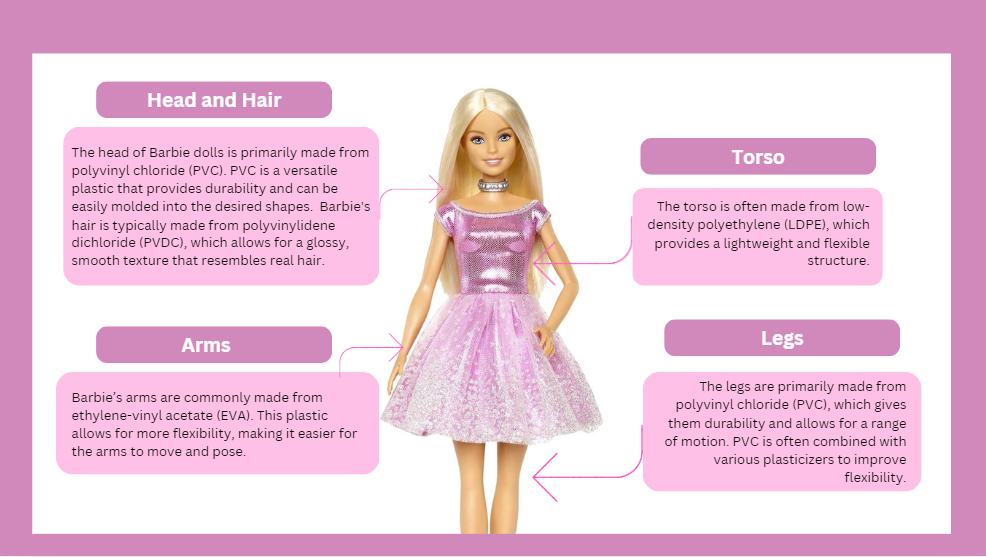
Fabrics and plastics are the main materials used in doll making. Fabrics give softness and warmth, while plastics add shape and durability.
Common fabrics include cotton, felt, and polyester. Common plastics include vinyl, polyethylene, and PVC.
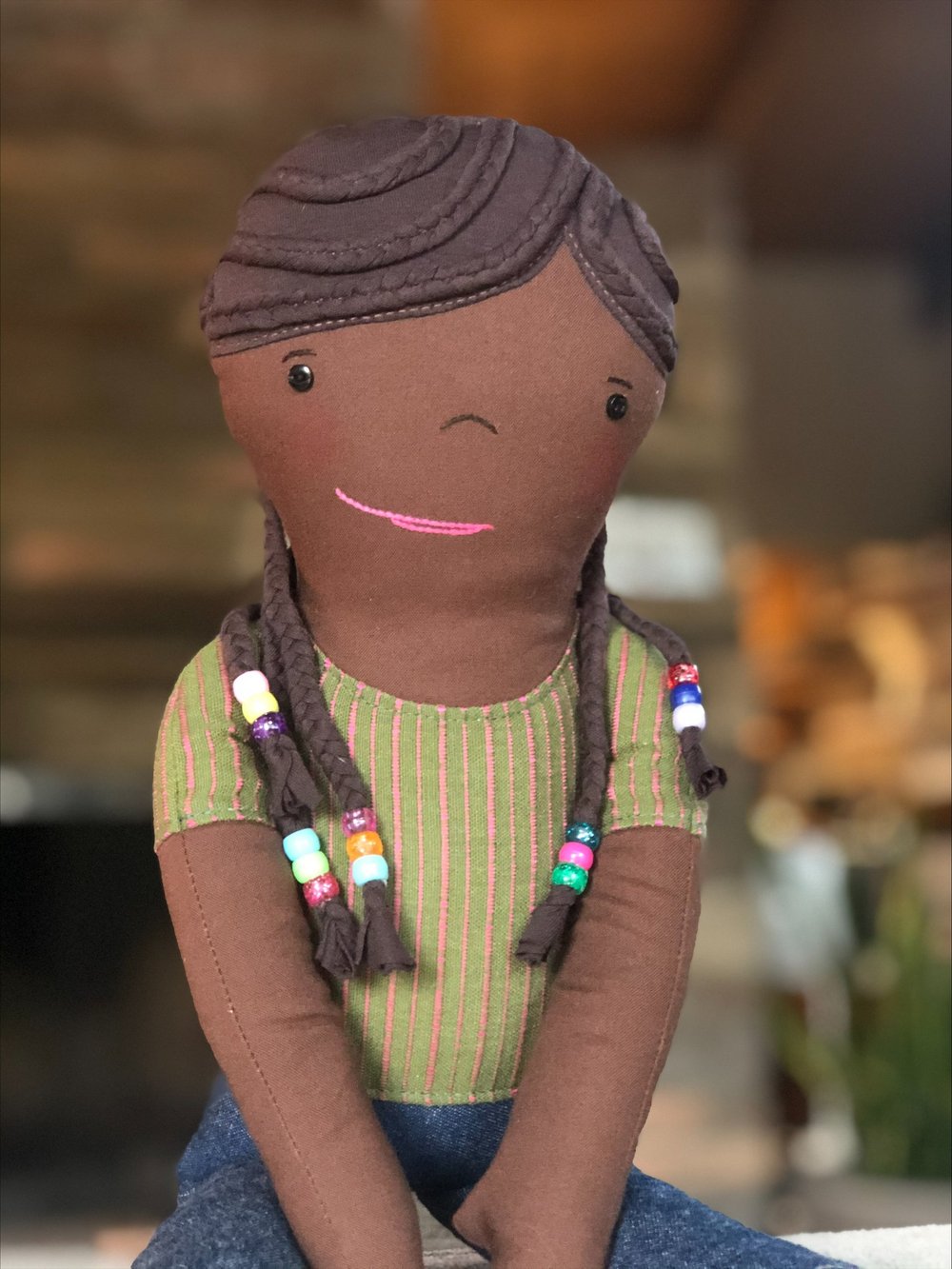
- Cotton:Soft and natural, used for doll clothes and bodies.
- Felt:Thick and sturdy, good for small details.
- Polyester:Strong and wrinkle-resistant fabric.
- Vinyl:Smooth plastic often used for doll heads and limbs.
- Polyethylene:Lightweight plastic for doll parts.
- PVC (Polyvinyl Chloride):Durable plastic that holds color well.
Choosing Safe And Durable Components
Safety is very important when making dolls. Materials must be non-toxic and strong. This keeps children safe during play.
Durable components help dolls last longer. They resist tears, breaks, and stains. This makes dolls good gifts for kids.
- Use non-toxic dyes and paints.
- Pick fabrics that do not easily tear.
- Choose plastics that do not crack or chip.
- Avoid small parts that can be swallowed.
- Test materials for allergies and safety standards.
Credit: www.boltfabricboutique.com
Design And Concept Development
Design and concept development start the doll-making process. Creators imagine the doll’s look and personality. They plan how the doll will appeal to its audience.
This phase sets the foundation for the doll’s style and features. Good design makes the doll unique and fun.
Sketching And Prototype Creation
Artists draw sketches to show the doll’s shape and details. These sketches guide the next steps. After sketches, a prototype is made. It is a rough model of the doll.
- Draw multiple sketches with different ideas
- Choose the best sketch for a prototype
- Create a clay or plastic model based on the sketch
- Test the prototype for size and balance
- Make changes before final production
Incorporating Trends And Themes
Doll makers watch trends in toys, fashion, and culture. They add popular themes to attract buyers. Themes can be seasonal, fantasy, or based on stories.
| Trend Type | Example | Purpose |
|---|---|---|
| Fashion | Miniature dresses and accessories | Match current clothing styles |
| Seasonal | Holiday costumes and colors | Create timely appeal |
| Fantasy | Fairies, superheroes, or animals | Encourage imagination and play |
| Story-based | Characters from books or films | Connect with popular media |
Sculpting And Molding
Dolls start with careful sculpting and molding. These steps shape the doll’s face and body. Artists use clay or digital tools to create the original design.
Molds are made from the sculpture. They help make many doll parts with the same look. This process is key to making dolls look real and detailed.
Crafting The Doll’s Face And Body
Artists sculpt the doll’s face and body by hand or digitally. They focus on small details like eyes, nose, and mouth. The body shape is made to match the doll’s style.
The clay or wax model shows all the features clearly. This model is the base for making molds. Sculptors work slowly to get the perfect look.
- Sculpting starts with a rough shape
- Details are added for realism
- The final model is smoothed and checked
- This model becomes the mold base
Creating Silicone And Vinyl Molds
Silicone and vinyl molds copy the original sculpture. Silicone molds are flexible and capture fine details. Vinyl molds are strong and good for mass production.
The mold is made by pouring liquid silicone or vinyl over the sculpture. After it hardens, the mold opens to reveal a hollow space. This space forms the doll parts when filled.
- Pour liquid material over the sculpture
- Wait for the material to set and harden
- Carefully remove the mold from the sculpture
- Use the mold to cast doll parts repeatedly

Credit: www.youtube.com
Assembly Process
The assembly process is a key part of making dolls. It brings together all the parts to create the final product.
Each step requires care and skill to make sure the doll looks and moves well.
Attaching Limbs And Joints
Limbs like arms and legs are attached using joints. This allows the doll to move its parts.
Joints can be made of plastic, metal, or elastic materials. They fit tightly to hold limbs in place.
- First, the limb is aligned with the body socket.
- The joint is inserted to connect limb and body.
- Test the movement to ensure it is smooth.
- Secure the joint so it does not come loose.
Adding Hair And Eyes
Hair and eyes give dolls their character and style. They are added carefully after the body is assembled.
Hair can be made from yarn, synthetic fibers, or real hair. Eyes are often plastic or glass.
- Hair is glued, sewn, or rooted into the doll’s head.
- Eyes are placed in eye sockets and fixed with glue.
- Details like eyelashes or eyebrows may be painted on.
- These steps make the doll look lifelike and unique.
Painting And Detailing
Painting and detailing bring dolls to life. This part adds personality and charm.
Artists use fine brushes and steady hands to add colors and shapes. This work requires patience and skill.
Hand-painting Facial Features
Facial features are painted carefully by hand. Eyes, lips, and eyebrows get special attention.
Small brushes and thin paint layers create fine details. Each doll’s face looks unique and expressive.
- Use thin brushes for small areas
- Paint eyes with multiple colors
- Add eyelashes with fine strokes
- Shape lips with gentle curves
- Highlight eyebrows with light lines
Applying Finishing Touches
After painting, finishing touches improve the doll’s look. These include adding gloss and tiny decorations.
Artists may add eyelashes, blush, or small freckles. These details make the doll more realistic and charming.
- Apply clear gloss on lips and eyes
- Add blush to cheeks with soft colors
- Attach synthetic eyelashes carefully
- Draw small freckles or beauty marks
- Seal paint with a protective coat
Quality Control And Safety Checks
Dolls must be safe and well-made. Quality control ensures each doll meets high standards.
Safety checks are important. They protect children from harmful materials or defects.
Inspecting For Flaws
Inspectors look for cracks, loose parts, or sharp edges on dolls. These flaws can be dangerous for children.
Each doll is checked before it leaves the factory. This ensures only safe and perfect dolls reach customers.
- Check for missing parts
- Ensure seams are strong
- Test for smooth surfaces
Ensuring Compliance With Safety Standards
Doll makers follow strict safety standards. These rules keep children safe when they play.
Materials used must be non-toxic. The design must be age-appropriate and safe for children.
| Standard | Description |
| EN71 | European toy safety standard |
| ASTM F963 | American toy safety standard |
Packaging And Distribution
The journey of a doll from the factory to the hands of a child involves careful planning. Packaging and distribution are crucial steps in this process.
Every doll requires packaging that is both protective and appealing. Once packaged, the dolls are prepared for shipping to various destinations.
Designing Attractive Packaging
Packaging is the first thing customers see. It must protect the doll and catch the eye. Attractive packaging can enhance the buying experience.
- Use bright colors to draw attention
- Include clear windows to show the doll
- Ensure packaging is easy to open
Shipping To Retailers And Customers
After packaging, dolls are ready for shipping. They must reach retailers and customers safely and on time.
| Destination | Shipping Method | Delivery Time |
| Local Retailers | Truck | 2-3 Days |
| International Customers | Air Freight | 5-7 Days |
Tracking and logistics are essential for smooth delivery. Ensuring timely arrival keeps customers happy.
Frequently Asked Questions
How Are Dolls Typically Manufactured?
Dolls are made using molds for the body and head. Materials like plastic, vinyl, or cloth are shaped and assembled. Details such as hair, eyes, and clothing are added by hand or machine to complete the doll.
What Materials Are Used In Doll Making?
Common materials include plastic, vinyl, cloth, porcelain, and rubber. Each material affects the doll’s texture and durability. The choice depends on the doll type and manufacturing method.
How Is Doll Hair Created And Attached?
Doll hair is made from synthetic fibers or natural materials. It is rooted, glued, or sewn into the doll’s scalp. Hair styling varies based on the doll’s design.
Are Handmade Dolls Different From Factory-made Ones?
Handmade dolls are crafted individually with unique details and higher quality. Factory-made dolls are mass-produced, focusing on uniformity and cost-efficiency. Handmade dolls often have a higher value and collectability.
Conclusion
Dolls start as simple materials shaped by skilled hands. Each step adds detail and life to the doll. From molding to painting, careful work matters. The process shows how art and craft connect. Making dolls takes patience and creativity. Now, you understand how dolls come to life.
It’s a mix of skill, time, and care. Dolls hold more than just beauty—they tell stories. Crafting dolls is truly a special journey.