Have you ever wondered if STEM toys really make a difference in your child’s learning? You might be curious whether these colorful kits and gadgets are just fun distractions or powerful tools that boost skills like problem-solving and creativity.
If you want to know how STEM toys can impact your child’s growth and if they’re truly worth your time and money, keep reading. This article will break down the facts, so you can make the best choice for your child’s future.
Benefits Of Stem Toys
STEM toys offer many benefits for children’s growth and learning. They help kids explore science, technology, engineering, and math in fun ways. Playing with these toys builds skills that last a lifetime. Kids get hands-on experience that supports their brain and social development. Below are some key benefits of STEM toys.
Cognitive Development
STEM toys challenge the brain to think clearly and logically. They improve memory and attention span. Kids learn to recognize patterns and understand cause and effect. These toys boost reasoning skills by encouraging kids to test ideas. Cognitive growth from STEM play sets a strong foundation for school success.
Problem-solving Skills
STEM toys encourage kids to find solutions on their own. They teach patience and persistence through trial and error. Children learn how to break down big problems into smaller steps. These toys promote critical thinking and decision-making. Problem-solving skills gained here help kids in real-life situations.
Creativity Enhancement
STEM toys spark imagination and creative thinking. Kids use their ideas to build and invent new things. Open-ended play lets children explore without limits. Creativity grows as they experiment with different materials and tools. This freedom inspires innovation and original thinking in young minds.
Types Of Stem Toys
STEM toys come in many shapes and sizes, each designed to engage different skills and interests. Understanding the types available can help you pick the right one for your child or student. Let’s break down the main categories and see how they encourage learning through play.
Building And Engineering Kits
Building kits challenge you to think spatially and solve problems by putting pieces together. These sets often include blocks, gears, or magnetic parts that snap or fit into place.
One time, I watched a child transform a simple block set into a towering bridge, figuring out balance and weight without any instructions. This hands-on trial and error is how many kids develop engineering skills.
Look for kits that gradually increase in difficulty to keep you engaged and learning new concepts as you build.
Coding And Robotics Tools
Coding toys teach the basics of programming through fun, interactive gadgets. They might involve controlling a robot or solving puzzles on a screen by arranging code blocks.
When I introduced a beginner-friendly robot to a group of kids, their excitement grew as they saw their commands come to life. It’s a powerful way to connect abstract coding ideas to real-world actions.
These tools often include visual programming languages to make coding less intimidating and more accessible for all ages.
Science Experiment Sets
Science kits encourage curiosity by letting you conduct experiments and observe results firsthand. These sets cover topics like chemistry, physics, or biology.
One memorable experiment involved mixing household ingredients to create a small volcano eruption. The immediate reaction sparked questions about chemical reactions and safety precautions.
Choose kits with clear instructions and safe materials so you can focus on learning without worry.
Age-appropriate Stem Toys
Choosing the right STEM toys means matching them to your child’s age and skill level. Age-appropriate STEM toys help keep kids engaged without causing frustration or boredom. They also build skills step-by-step, making learning feel natural and fun.
Early Childhood Options
For toddlers and preschoolers, STEM toys focus on basic concepts like shapes, colors, and simple cause and effect. Toys like building blocks, sorting games, and simple puzzles encourage hands-on exploration. These toys develop fine motor skills and introduce early problem-solving in a playful way.
Look for toys that allow open-ended play. Your child might stack blocks in different patterns or match colors in their own creative style. This freedom helps build curiosity and confidence.
Elementary School Choices
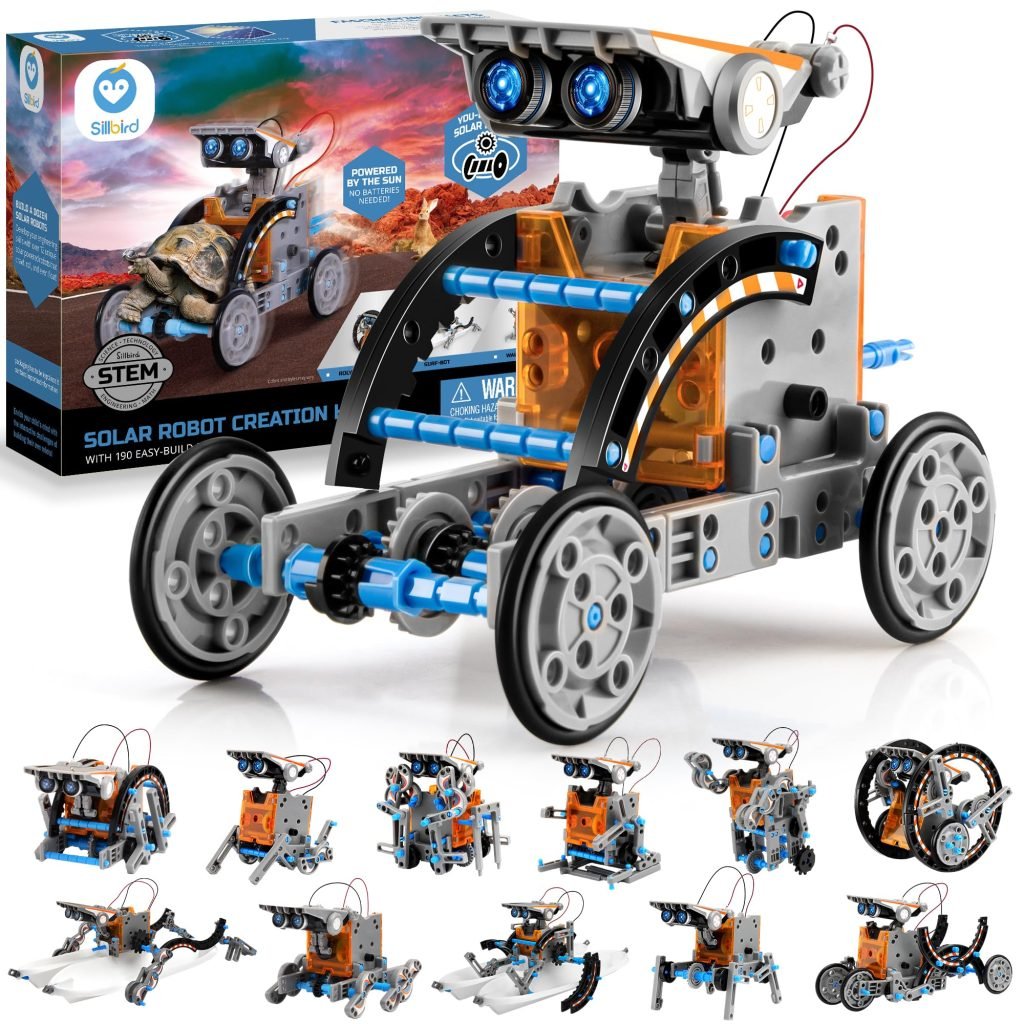
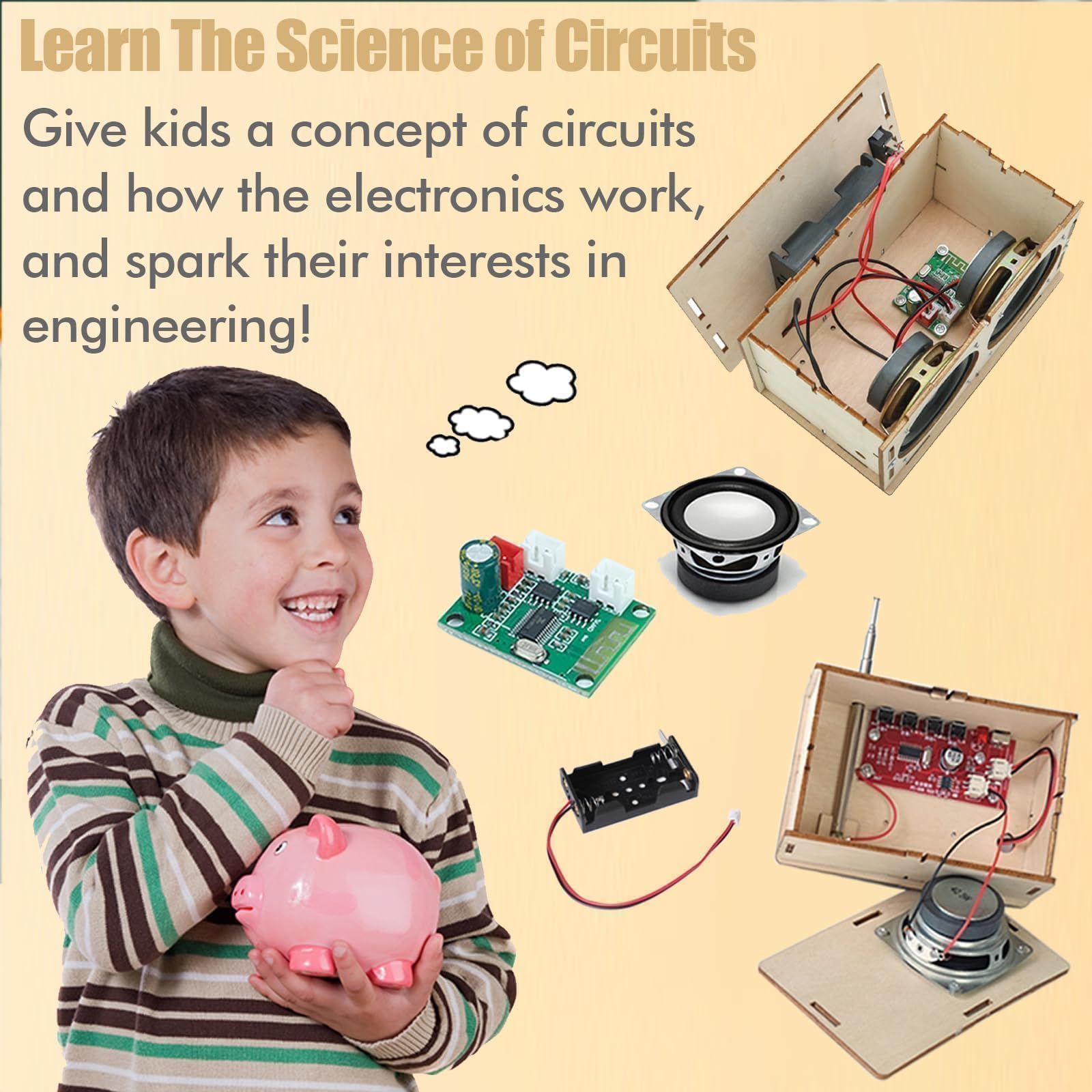
Kids in elementary school can handle more complex STEM toys that introduce basic engineering, coding, and science concepts. Kits that include simple circuits, robotics, or coding games work well here. They provide clear instructions but also room for experimentation.
Consider a coding robot that your child programs to follow paths or complete tasks. This hands-on experience teaches logic and sequencing without feeling like homework. How could these skills help your child in everyday problem-solving?
Teenage And Advanced Kits
Teenagers benefit from advanced kits that challenge their critical thinking and creativity. Electronics kits, 3D printing sets, and advanced robotics offer deeper STEM engagement. These toys often require patience and persistence, rewarding effort with real-world applications.
Encourage your teen to pick projects that align with their interests, whether it’s building drones or designing apps. This personal connection makes learning more meaningful and motivates them to push their limits.
Credit: www.amazon.com
Stem Toys In Education
STEM toys have become a popular tool in education. They help students learn science, technology, engineering, and math by doing. These toys make learning fun and hands-on. Many teachers and parents use them to boost kids’ interest in these subjects.
Classroom Integration
Teachers use STEM toys to explain complex ideas simply. These toys encourage teamwork and problem-solving. Students can build models, test theories, and see science in action. This active learning helps students remember lessons better. It also makes classes more interactive and exciting.
Homeschooling Resources
Parents use STEM toys to support home learning. These toys offer practical lessons outside textbooks. They help children explore topics at their own pace. Homeschoolers enjoy using kits that combine fun with education. This approach builds confidence and curiosity in children.
Extracurricular Activities
STEM toys are great for clubs and after-school programs. They provide projects for science fairs and competitions. Kids learn to work in groups and share ideas. These activities develop skills beyond the classroom. They inspire students to pursue STEM careers in the future.
Challenges Of Stem Toys
STEM toys aim to blend fun with learning. Yet, they face some real challenges. These challenges affect how children and parents experience STEM play. Knowing these issues helps in choosing the right toys and setting the right expectations.
Cost And Accessibility
Many STEM toys come with a high price tag. Not all families can afford these toys easily. This limits access for many children who could benefit from them. Also, some toys require extra materials or gadgets. This adds to the total cost.
Availability varies by region. Some areas have fewer stores or online options. Shipping fees and delays can make buying STEM toys harder. Schools and libraries may lack funds to provide these toys.
Overemphasis On Technology
STEM toys often focus heavily on technology parts. Screens, apps, and coding kits dominate the market. This focus can overshadow other important skills. Creativity, problem-solving, and hands-on building might get less attention.
Too much screen time can reduce physical play. Kids may miss out on sensory and motor skill development. Balance is needed to keep learning broad and effective.
Balancing Play And Learning
STEM toys walk a fine line between fun and education. Some toys feel like schoolwork, which can reduce interest. Others may focus too much on play, limiting learning outcomes.
Finding toys that engage kids while teaching is key. The best STEM toys encourage curiosity and exploration. They allow children to experiment without fear of failure.

Credit: www.amazon.com
Evaluating Stem Toy Impact
Evaluating the impact of STEM toys goes beyond just observing kids having fun. You want to know if these toys truly enhance learning and skills over time. Looking at different perspectives, from parents to scientific studies, helps paint a clearer picture of their real value.
Parental Feedback
Parents often notice changes in their child’s curiosity and problem-solving skills after introducing STEM toys. Many report increased patience as their kids tackle challenging builds or experiments. Have you seen your child ask more questions or try to figure things out on their own?
Some parents say STEM toys encourage teamwork when children play together, improving communication. Yet, not all feedback is positive—some mention toys that frustrate rather than engage. Choosing the right toy for your child’s age and interests matters a lot.
Educational Studies
Research shows that STEM toys can improve critical thinking and spatial awareness. Studies involving preschoolers reveal better math and science readiness after regular play with STEM kits. Still, the quality of the toy and guided playtime influence the outcomes significantly.
One study tracked children over six months and found those using STEM toys scored higher in problem-solving tasks. But the presence of adult guidance during play made a big difference. Are you actively involved when your child uses these toys, or do you let them explore alone?
Long-term Benefits
STEM toys can build foundational skills that support future learning and career interests. Kids who engage early tend to stay interested in science and technology subjects later in school. However, the long-term benefits depend on consistent exposure and encouragement.
Think about your own experiences—did early exposure to puzzles or building sets influence your skills or choices? STEM toys can be a starting point, but nurturing curiosity and providing challenges as your child grows is key. What steps will you take to keep your child’s STEM journey alive beyond playtime?
Future Of Stem Toys
The future of STEM toys looks bright and full of potential. These toys will continue to evolve, helping children learn skills needed for tomorrow’s world. New trends focus on making learning fun, interactive, and meaningful. STEM toys will blend technology, creativity, and sustainability. They aim to engage children of all ages in science, technology, engineering, and math.
Technological Advancements
STEM toys will use more advanced technology. Smart sensors and artificial intelligence will create responsive play experiences. Toys will adapt to a child’s skill level and provide personalized challenges. Augmented reality (AR) and virtual reality (VR) will make learning more immersive. These tools will help kids understand complex concepts in simple ways.
Sustainability And Eco-friendly Designs
Eco-friendly STEM toys will become more popular. Parents and educators want toys made from safe, natural materials. Biodegradable plastics and recycled materials will reduce environmental impact. Companies will focus on durability to minimize waste. Sustainable packaging and production will also be a priority. Kids will learn the importance of caring for the planet through play.
Global Trends And Innovations
STEM toys will reflect diverse cultures and global needs. Different countries will contribute unique ideas and designs. Educational goals will align with worldwide challenges like climate change and technology access. Collaboration across borders will bring new creative solutions. These toys will prepare children to be global citizens and problem solvers.

Credit: www.techadvisor.com
Frequently Asked Questions
Do Stem Toys Improve Children’s Problem-solving Skills?
Yes, STEM toys enhance problem-solving by encouraging critical thinking and creativity. They help kids learn to analyze, experiment, and find solutions independently.
Are Stem Toys Effective For Early Childhood Development?
STEM toys support early development by promoting cognitive and motor skills. They engage curiosity and foster foundational knowledge in science, technology, engineering, and math.
How Do Stem Toys Support Educational Growth?
STEM toys make learning interactive and fun, reinforcing concepts through hands-on play. They improve understanding and retention of STEM subjects in real-world contexts.
Can Stem Toys Boost Creativity And Innovation?
Absolutely, STEM toys inspire creativity by encouraging kids to build, design, and explore new ideas. This nurtures innovative thinking and problem-solving abilities.
Conclusion
STEM toys help children learn important skills like problem-solving and creativity. They make learning fun and hands-on. Kids can explore science, technology, engineering, and math in simple ways. These toys encourage curiosity and teamwork. They also build confidence as children try new ideas.
Choosing the right STEM toy depends on a child’s age and interests. Overall, STEM toys support early learning and growth. They offer valuable experiences that last beyond playtime. Worth considering for any child’s development journey.