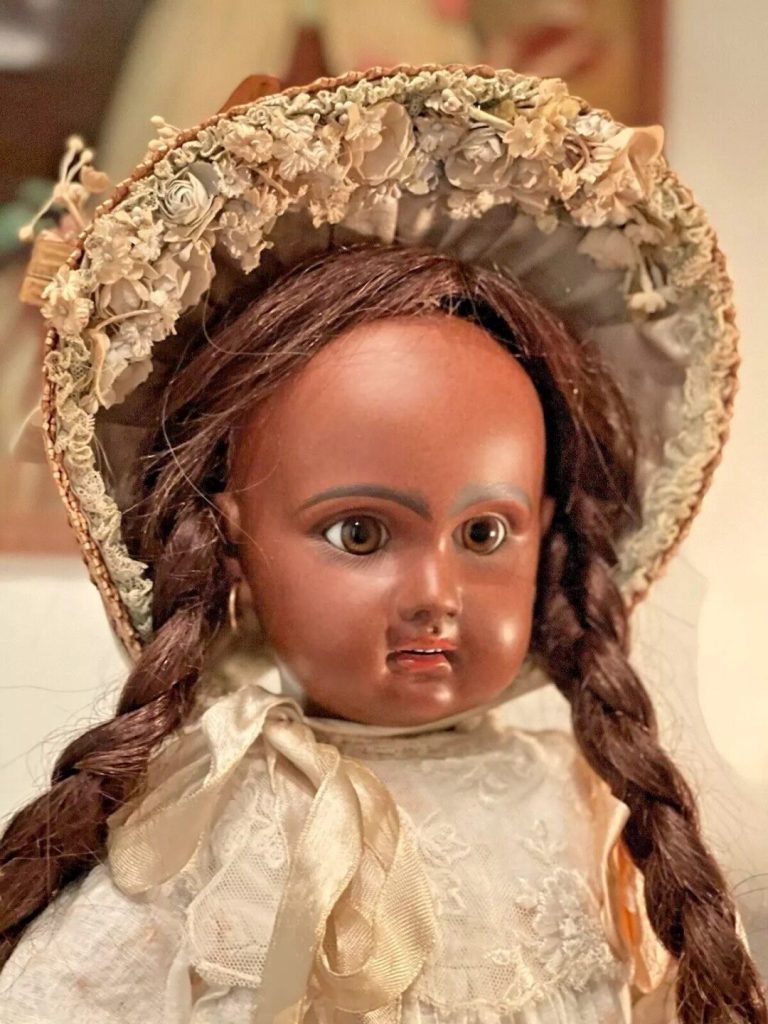
Have you ever wondered if your porcelain dolls could be more than just pretty decorations? Maybe you’ve heard stories of collectors paying big money for certain dolls, and now you’re curious—are porcelain dolls worth anything?
Whether you own a cherished heirloom or just found one at a garage sale, knowing their true value can surprise you. You’ll discover what makes some porcelain dolls valuable, how to spot the ones that might be worth a lot, and what steps you can take to find out if your dolls hold hidden treasure.
Keep reading—you might be sitting on something special without even realizing it.
History Of Porcelain Dolls
Porcelain dolls have fascinated collectors and enthusiasts for centuries. Their delicate features and fine craftsmanship make them unique treasures. Understanding the history of porcelain dolls helps reveal their true value and charm.
Origins And Evolution
Porcelain dolls first appeared in the early 19th century in Europe. Germany and France led in creating these dolls with fine bisque porcelain heads. Initially, they were luxury toys for wealthy children. Over time, the dolls’ designs grew more detailed and lifelike. By the late 1800s, porcelain dolls became popular worldwide. The shift from wooden dolls to porcelain marked a new era in doll making. Factories produced both mass-market and artist-signed dolls, increasing their variety and appeal.
Cultural Significance
Porcelain dolls reflect the fashion and culture of their times. Many dolls dressed in traditional costumes or period clothing. They often symbolized childhood innocence and beauty. In some cultures, porcelain dolls were used in rituals or as keepsakes. Collectors value them for their historical and artistic importance. These dolls also inspire stories and memories across generations. Their lasting appeal lies in this deep cultural connection.

Credit: www.ebay.com
Factors Influencing Value
Determining whether your porcelain doll holds real value depends on several key factors. These elements influence how collectors and buyers perceive worth, shaping the final price you might get. Understanding these can help you assess your doll more accurately and make smarter decisions if you plan to sell or insure it.
Age And Rarity
The older the porcelain doll, the more likely it is to be valuable, especially if it dates back to the 19th or early 20th century. Dolls made during these periods are often rare because fewer have survived in good condition over time.
Rarity also depends on how many dolls were produced and how many still exist today. A limited edition doll or one from a short production run usually commands higher prices.
Think about your doll’s history—does it come from a well-known era or unique collection? That could make a big difference.
Condition And Quality
The state of your doll plays a crucial role in its value. Chips, cracks, missing parts, or faded paint can significantly lower its worth.
High-quality craftsmanship adds to the appeal. Look for detailed facial features, realistic glass eyes, and carefully made clothing.
Collectors often prefer dolls that show minimal wear and original accessories. Have you checked your doll carefully for any damage or repairs?
Manufacturer And Brand
The name behind the doll can greatly affect its price. Dolls made by famous manufacturers like Kestner, Armand Marseille, or Jumeau often fetch higher prices.
Some brands are synonymous with quality and historical significance, which makes their dolls more collectible. Identifying marks or stamps on the doll’s body or head can help you trace its origin.
Do you know who made your doll? This information might unlock hidden value you hadn’t considered before.
Identifying Valuable Dolls
Identifying valuable porcelain dolls can seem tricky at first, but paying attention to specific details will help you spot a gem. Not all dolls are created equal, and certain features can greatly increase their worth. Knowing what to look for saves you time and might even surprise you with unexpected finds in your collection or at a market.
Marks And Signatures
One of the easiest ways to identify a valuable porcelain doll is by checking for marks or signatures. These are often found on the back of the doll’s head, neck, or body. They can include the maker’s name, initials, or a symbol, and sometimes a date.
Not all marks are obvious, so use a magnifying glass if needed. Some renowned manufacturers like Armand Marseille, Kestner, and Simon & Halbig often stamped their dolls with clear marks. If you find a doll with a distinct mark, research it online or in collector guides to learn more about its origin and potential value.
Keep in mind that some fakes also carry marks, so compare them carefully. Authentic marks are usually well-defined and consistent, while counterfeit ones can look sloppy or uneven.
Popular And Rare Models
Some porcelain dolls are worth more simply because they are popular or rare models. Collectors often seek dolls made during specific periods, such as the late 1800s or early 1900s. Dolls with unique features like hand-painted faces, rare clothing, or limited editions tend to hold higher value.
For example, dolls from the German company Kestner are highly prized, especially those with bisque heads and articulated bodies. Rare models with unusual eye colors or intricate costumes can fetch a premium price. Do you know the story behind your doll’s design? Sometimes knowing the history adds to its appeal and value.
Check collector forums and auction sites to see which models are currently in demand. This insight helps you decide if your doll might be worth more than you think.

Credit: wealthgang.com
Market Trends
Understanding the market trends is essential if you want to know whether porcelain dolls hold any value today. Market trends reveal how demand shifts, which types of dolls collectors seek, and how prices fluctuate over time. By paying attention to these trends, you can make smarter decisions whether you’re buying, selling, or just curious about the worth of your collection.
Current Demand
The demand for porcelain dolls has seen interesting changes in recent years. While some collectors focus on vintage and antique dolls, others are drawn to limited edition or artist-signed pieces. You might notice that dolls from well-known makers like Armand Marseille or Kestner tend to attract more interest.
Are you aware that certain themes, such as Victorian-era costumes or dolls representing different cultures, often spark higher demand? This is because collectors look for uniqueness and historical significance. If your doll fits these categories, it might be more valuable than you think.
Auction Insights
Auctions provide a clear snapshot of what porcelain dolls are worth right now. Recently, some dolls have sold for hundreds or even thousands of dollars, especially when they are in excellent condition and come with original packaging. However, dolls without provenance or those showing damage often fetch much less.
One auction I followed showed a mid-20th-century porcelain doll selling for triple its estimated price. This surprised many bidders and highlighted how rarity and condition can drive prices up. Are you monitoring auction results regularly? It could help you time your sale or purchase better.
Preservation And Care
Taking good care of your porcelain dolls is essential if you want to maintain their value over time. Preservation is not just about keeping them clean; it’s about protecting them from damage that can quietly reduce their worth. Proper care can keep your collection looking beautiful and increase its appeal to collectors.
Proper Storage Techniques
Store your porcelain dolls in a cool, dry place away from direct sunlight. Exposure to sunlight can cause fading and weaken the materials, so choose a spot with stable temperature and low humidity.
Use acid-free tissue paper or soft cloth to wrap the dolls individually. This prevents scratches and dust buildup. Avoid plastic bags, which can trap moisture and lead to mold growth.
Consider displaying dolls in glass cabinets with UV protection. This keeps them visible but safe from dust and accidental knocks. Have you checked if your display case has UV filters?
Restoration Tips
If a doll gets chipped or cracked, avoid using household glue, which can cause more harm than good. Instead, consult a professional restorer who knows how to handle porcelain.
Minor stains can often be cleaned gently with a soft brush and mild soap, but be very careful not to scrub too hard. Testing a small hidden area first can help you avoid damage.
Keep in mind that over-restoring can reduce a doll’s value. Sometimes, preserving the original condition, even with minor flaws, is better than making it look ‘new.’ Would you rather have a doll with character or one that looks artificial?
Investing In Porcelain Dolls
Investing in porcelain dolls can be a unique way to diversify your collection and assets. These dolls often hold sentimental and artistic value. Their worth depends on factors like age, condition, and rarity. Understanding these elements helps make smart investment choices.
Assessing Potential
Start by researching the doll’s maker and origin. Dolls made by renowned artists usually have higher value. Check for original markings or certificates of authenticity. Condition matters greatly: look for cracks, chips, or repairs. Limited edition dolls often attract collectors. Knowing market trends can reveal which dolls are rising in value.
Risk And Reward
Porcelain dolls may not always increase in value quickly. The market can be small and specialized. Some dolls may lose value if damaged or poorly stored. On the other hand, rare dolls can bring good returns. Investing requires patience and careful care. Balance your collection with other types of investments for safety.
Cultural And Emotional Value
Porcelain dolls carry more than just monetary value; they often hold deep cultural and emotional significance. These dolls reflect craftsmanship, history, and personal stories that make them priceless to many collectors. Understanding this side of porcelain dolls helps you see why they are cherished beyond their price tags.
Collecting For Passion
Many collectors pursue porcelain dolls out of genuine passion rather than investment. Each doll can represent a piece of art, a historical era, or a cultural tradition. When you collect for passion, the joy comes from discovering unique designs and learning about the doll’s origin.
Think about how you feel when you find a rare doll that fits perfectly into your collection. It’s not just about owning an object; it’s about connecting with a story or a moment in time. This emotional connection often adds more value to the doll than any market price could.
Sentimental Attachments
Porcelain dolls often carry sentimental value passed down through generations. Maybe a doll belonged to your grandmother or was a gift on a special occasion. Holding that doll can bring back memories and emotions that no money can replace.
Sentimental attachments make porcelain dolls priceless in their own way. You might ask yourself: Would you sell a doll that reminds you of a loved one or a cherished childhood memory? For many, the answer is no, which shows how emotional value surpasses financial worth.

Credit: wealthgang.com
Frequently Asked Questions
Are Porcelain Dolls Valuable Collectibles Today?
Porcelain dolls can be valuable, especially antique or limited editions. Their worth depends on age, condition, maker, and rarity. Well-preserved dolls from renowned manufacturers often attract collectors and can sell for significant prices.
How To Determine Porcelain Dolls’ Worth Accurately?
Assess porcelain dolls by researching maker marks, age, and condition. Consult appraisal guides or professionals for precise valuation. Online auction sites also help gauge current market prices.
What Factors Increase A Porcelain Doll’s Value?
Value rises with rarity, craftsmanship, brand, and condition. Original packaging and certificates add worth. Dolls linked to famous artists or limited editions are especially prized.
Are Modern Porcelain Dolls Worth Investing In?
Modern porcelain dolls usually have less value than antiques. However, limited editions or artist-signed pieces may gain value over time if well maintained.
Conclusion
Porcelain dolls can hold real value for collectors and enthusiasts. Their worth depends on age, condition, and maker. Some dolls may sell for a good price, while others are less valuable. Knowing what to look for helps you decide if a doll is worth keeping.
These dolls carry history and charm that many appreciate. Collecting them can be fun and rewarding. Always research before buying or selling to get the best outcome. The world of porcelain dolls is full of surprises and stories.