Have you ever wondered if Legos are more than just fun toys? What if the blocks you play with could also boost your skills in science, technology, engineering, and math?
If you want to know how Legos can help you or your child learn important STEM skills while having a blast, keep reading. This article will show you why Legos might be one of the best STEM toys out there—and how they can make learning exciting and hands-on for everyone.

Credit: www.amazon.com
Legos And Stem Connection
Legos are more than just toys. They are a gateway to STEM learning. Children and adults alike find joy in creating with Legos. These colorful blocks offer a tangible way to explore STEM concepts. Legos encourage creativity, critical thinking, and innovation. Through play, users develop essential STEM skills. Let’s delve into how Legos connect to STEM education.
Building Blocks Of Stem Skills
Legos teach spatial awareness and geometry. Assembling pieces requires understanding angles and proportions. This hands-on experience builds foundational math skills. Users learn about symmetry and balance. It fosters a deeper understanding of mathematical principles.
Legos enhance fine motor skills. Manipulating small pieces improves dexterity. This is crucial for scientific and technical fields. It prepares learners for precision tasks in the future.
Encouraging Problem Solving
Legos promote creative problem-solving. Users face challenges during construction. They must figure out how pieces fit together. This trial-and-error process enhances logical thinking. Learners develop resilience and perseverance. They become adept at troubleshooting and adapting plans.
Problem-solving with Legos mimics real-world scenarios. It teaches persistence and patience. These skills are invaluable in STEM careers. It provides a solid foundation for tackling complex issues.
Introducing Engineering Concepts
Legos introduce basic engineering principles. Building structures involves understanding forces and stability. Users learn how weight distribution affects design. They explore concepts like tension and compression. This lays groundwork for advanced engineering studies.
Legos inspire future engineers. They offer a playful introduction to construction and design. Users gain insight into architecture and mechanical systems. It sparks curiosity about how things work.

Credit: www.amazon.com
Boosting Creativity With Legos
Legos are more than just colorful blocks. They spark creativity in children and adults alike. Building with Legos lets users explore new ideas and shapes. This play nurtures creative thinking and problem-solving skills. Creativity grows as builders design and imagine freely.
Designing Unique Structures
Legos allow for endless building possibilities. Each builder creates unique models and designs. This freedom encourages trying new shapes and styles. Builders learn to plan and execute their ideas. Unique structures show individual creativity and innovation.
Combining Imagination And Logic
Building with Legos blends imagination with clear thinking. Creativity flows as users picture new builds. Logic helps in connecting pieces correctly. This balance develops both creative and analytical skills. Builders learn to think creatively and solve problems.
Fostering Open-ended Play
Legos support play without fixed rules or limits. Builders choose what to make and how to build. Open-ended play encourages experimenting and exploring. This type of play boosts creativity and confidence. It lets users express ideas in many ways.
Learning Through Play
Learning through play is more than just fun—it’s a powerful way to build essential skills. When you engage with Legos, you’re not only crafting colorful structures but also developing critical thinking and problem-solving abilities. Play becomes a hands-on classroom where creativity meets real-world learning.
Hands-on Experimentation
Legos invite you to test ideas instantly. You can build, break, and rebuild without worrying about mistakes. This trial-and-error process helps you understand cause and effect, encouraging you to think critically and try different solutions.
Imagine trying to create a moving car with Legos. You experiment with gears and wheels until it rolls smoothly. This hands-on experimentation sparks curiosity and deepens your understanding of how things work.
Enhancing Spatial Awareness
Working with Legos challenges your brain to visualize objects in three dimensions. You learn how pieces fit together and how different shapes interact in space. This boosts your ability to imagine and manipulate objects mentally.
Have you noticed how building a complex Lego model requires planning and perspective? This skill translates into better navigation, reading maps, and even understanding geometry. It’s a direct way to strengthen spatial reasoning through play.
Promoting Collaboration And Communication
Legos often bring people together to share ideas and build projects as a team. You learn to explain your ideas clearly and listen to others’ suggestions. This back-and-forth improves your communication and teamwork skills.
Think about a group Lego challenge where everyone contributes a part of the design. You practice negotiating roles, solving disagreements, and celebrating joint success. These experiences prepare you for real-world collaboration beyond just playtime.
Legos In Educational Settings
Legos have moved far beyond simple playthings and found a firm place in classrooms and educational programs worldwide. Their hands-on nature allows students to grasp complex STEM concepts in a fun and interactive way. Using Legos in educational settings not only boosts creativity but also sharpens problem-solving and critical thinking skills.
Classroom Integration
Teachers use Legos to explain math, physics, and engineering principles. You can see students building bridges to understand weight distribution or creating simple machines to explore mechanics. This active learning helps students remember concepts better than just listening or reading.
Legos also encourage collaboration. When you work in groups, you learn to communicate ideas clearly and listen to others. Have you noticed how building something together sparks teamwork and leadership skills in kids?
Stem Clubs And Competitions
Many schools have STEM clubs where Legos play a key role in challenges and projects. These clubs give students a chance to apply what they learn in class to real-world problems. You might find them designing robots or coding simple programs to control Lego models.
Competitions push students to innovate under pressure. They learn to think on their feet and adapt when their designs don’t work as expected. Would your students rise to the challenge and surprise themselves with what they can build?
Teacher And Parent Roles
Teachers guide students in using Legos to explore STEM concepts thoughtfully. They ask questions that make students think deeper, like “What happens if we change this part?” or “How does this design improve stability?” This approach turns play into meaningful learning.
Parents can support by providing time and space for kids to build at home. Encouraging your child to explain their Lego creations helps develop language and reasoning skills. Have you tried building together to discover what interests your child most in STEM?
Choosing The Right Lego Sets
Choosing the right Lego sets can make a huge difference in how much your child enjoys building and learning. The right set matches their skills and sparks curiosity without causing frustration. It’s not just about bigger or more pieces—it’s about finding that perfect mix of challenge and fun.
Age-appropriate Options
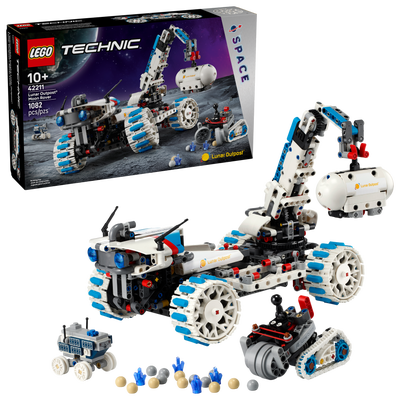
Your child’s age plays a big role in picking the right Lego set. Younger kids benefit from larger, simpler pieces that are easy to snap together, like Duplo sets. Older kids will enjoy more complex builds, such as Technic or Creator sets, which push their creativity and problem-solving skills.
Think about what your child can handle without getting overwhelmed. Are they ready for intricate instructions, or do they need a more open-ended experience? Choosing age-appropriate sets helps avoid frustration and keeps their excitement alive.
Stem-focused Themes
Look for Lego sets that highlight STEM concepts if you want to boost learning. Sets like Lego Mindstorms or Boost combine building with coding and robotics, offering hands-on STEM experiences. Even basic sets with gears and motors introduce mechanical principles without needing extra tools.
Ask yourself: Does the set encourage experimentation? Can your child learn about science, technology, engineering, or math as they play? A theme that aligns with their interests will keep them engaged and eager to explore more.
Balancing Fun And Learning
It’s easy to get caught up in choosing sets that seem educational but end up feeling like homework. The best sets are those that let your child have fun while learning naturally. Look for builds that tell stories or have imaginative play elements alongside technical challenges.
Have you noticed how your child responds better when they’re excited rather than pressured? Lego sets that balance play and learning keep motivation high and make skills stick. Sometimes, the best lessons come from simply enjoying the build.

Credit: happysmarttoys.com
Frequently Asked Questions
Are Legos Considered Stem Toys For Kids?
Yes, Legos are STEM toys because they promote skills in science, technology, engineering, and math. Building with Legos enhances problem-solving and creativity, essential for STEM learning in children.
How Do Legos Support Engineering Skills?
Legos encourage children to design, build, and test structures, which mirrors basic engineering principles. This hands-on play helps develop spatial awareness and critical thinking.
Can Legos Improve Math Skills In Children?
Legos help kids understand concepts like counting, symmetry, and patterns. Manipulating bricks reinforces math skills through practical, engaging activities.
Are Legos Useful For Teaching Technology Concepts?
Yes, advanced Lego sets integrate programmable elements that teach coding and robotics. This helps children grasp foundational technology and programming skills.
Conclusion
Legos help kids learn important STEM skills like math and engineering. Building with Legos boosts creativity and problem-solving. Kids practice planning and thinking as they connect pieces. These toys also teach patience and focus during play. Legos make learning fun and hands-on for children.
They fit well in STEM education at home or school. Playing with Legos helps children explore science, technology, engineering, and math ideas. Simple, yet powerful tools for growing young minds. Legos truly belong in the world of STEM toys.