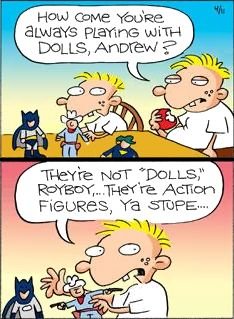
Have you ever picked up an action figure and wondered, “Is this just a doll with a different name?” You’re not alone. The line between action figures and dolls can be blurry, and many people get confused about what makes them different—or if they’re even different at all.
Understanding this can change how you see your collection or the toys you buy for your kids. Keep reading, and you’ll discover surprising facts that will make you look at these toys in a whole new way.
Credit: www.kidrobot.com
Origins Of Action Figures
Action figures have a rich history that traces back many years. Their origins show a blend of culture, creativity, and play. Understanding where action figures come from helps us see their unique place in toys. They are often thought of as dolls, but their story is quite different. The journey from simple figures to the detailed toys we see today is fascinating.
Early Beginnings
Action figures first appeared in the mid-20th century. They were designed to represent soldiers and heroes. These figures were made from metal or plastic. Children used them to act out battles and adventures. Early action figures were simple and small. They had limited movement and few details. The focus was on durability and imagination. These toys were different from traditional dolls, which were often softer and more lifelike.
Evolution Over Time
Over the decades, action figures changed a lot. Manufacturers started adding more joints for better movement. They improved the materials to make figures safer and more detailed. Popular movies and TV shows inspired many new designs. Action figures began to represent superheroes, sci-fi characters, and more. Packaging became colorful and eye-catching. Collectors started to grow, valuing rare and special editions. Today, action figures combine art, storytelling, and play in one toy.
Characteristics Of Action Figures
Action figures have unique features that set them apart from dolls. These features focus on design, flexibility, and materials. Understanding these traits helps clarify what action figures really are.
Design And Articulation
Action figures often represent characters from movies, comics, or games. They have detailed faces and costumes to match the originals. Their bodies include many joints. These joints allow bending at the elbows, knees, and neck. This flexibility makes the figures poseable. Collectors and kids enjoy this feature for play and display. The size usually ranges from 3 to 12 inches, but some can be larger. The realistic design and movable parts make action figures distinct from traditional dolls.
Materials And Manufacturing
Most action figures are made from plastic, like PVC or ABS. These materials are durable and safe for children. The manufacturing process includes molding, painting, and assembling small parts. High-quality figures use precise paint jobs for facial details and clothing. Some parts are made separately and then attached. Mass production allows companies to create many figures quickly. Limited edition figures may use better materials and extra details. The combination of strong materials and careful manufacturing adds value to action figures.
Defining Dolls
Dolls have existed for centuries, serving as toys and cultural symbols. They often represent human figures, crafted to reflect beauty, fashion, or tradition. Understanding what defines a doll helps us see how they differ from action figures. Dolls usually focus on nurturing and imaginative play, creating emotional connections. This section explores traditional dolls and their cultural importance worldwide.
Traditional Dolls
Traditional dolls are simple figures made from materials like cloth, wood, or porcelain. They often have soft bodies and detailed faces. These dolls are designed for gentle play and storytelling. Common types include:
- Baby dolls that encourage care and empathy
- Fashion dolls that showcase clothing and style
- Handmade dolls reflecting local art and craft
They tend to have fixed poses and limited movement. Their value lies in their ability to inspire imagination and emotional bonds.
Cultural Significance
Dolls carry deep meanings in many cultures around the world. They often symbolize heritage, beliefs, and social roles. For example:
- Japanese Kokeshi dolls represent simplicity and nature
- Native American dolls teach traditions and history
- African tribal dolls serve as spiritual objects
These dolls connect people to their roots and preserve stories. They go beyond toys, becoming important cultural artifacts.

Credit: toycycle.co
Comparison: Action Figures Vs. Dolls
Action figures and dolls often spark debate over their differences and similarities. Both are popular toys but serve distinct roles and appeal to different audiences. Understanding these differences helps clarify if action figures are dolls or not.
Purpose And Functionality
Action figures usually represent characters from movies, comics, or video games. They focus on poses and action features. Many come with accessories or movable parts for imaginative play. Dolls often emphasize fashion, beauty, or nurturing. They may include clothing and accessories to encourage role-playing. Dolls tend to focus on social and emotional play rather than action scenes.
Target Demographics
Action figures mostly attract boys and collectors interested in heroes and adventure. Age groups range from children to adult fans. Dolls often appeal to girls and children who enjoy storytelling and creativity. They also attract collectors who appreciate design and craftsmanship. Both toys cross gender and age lines, but marketing usually targets these groups.
Cultural Perceptions
Cultural perceptions shape how we view action figures and dolls, often blurring the lines between these two types of toys. These perceptions influence who plays with them, how they are marketed, and what values they convey. Understanding these cultural nuances can change how you think about the toys you or your children interact with daily.
Gender Roles And Toys
Society often assigns action figures to boys and dolls to girls, reinforcing traditional gender roles. This division suggests action figures are about adventure and strength, while dolls promote care and nurturing. But why limit a child’s creativity based on these outdated norms?
Many parents notice their sons shy away from dolls, not because they dislike them, but because of social pressure. Likewise, girls might hesitate to play with action figures for fear of judgment. Challenging these roles can open up a world of imagination and emotional growth for children.
- Encourage kids to choose toys based on interest, not gender labels.
- Use diverse toys to teach empathy, bravery, and kindness equally.
- Notice how your own perceptions influence the toys you buy or promote.
Media Influence
Movies, TV shows, and advertisements shape how action figures and dolls are viewed. You’ve likely seen superhero action figures dominate shelves while dolls often appear in domestic or fashion-focused contexts. This media portrayal affects what children find cool or acceptable to play with.
For example, a popular superhero film can boost sales of action figures, making them more desirable to kids. On the other hand, dolls tied to princess stories emphasize beauty and elegance, shaping ideals differently. Ask yourself—how does media steer your or your child’s toy preferences without you realizing it?
- Look for toys that break media stereotypes and promote diverse stories.
- Discuss with children how characters in media influence their choices.
- Support brands that offer varied representations of gender and roles.
Collecting Action Figures
Collecting action figures is a popular hobby enjoyed by people of all ages. These small, detailed models represent characters from movies, comics, and video games. Collectors appreciate the artistry and nostalgia behind each figure. Many start with a favorite character and slowly build a diverse collection. The thrill of finding rare pieces keeps collectors motivated. Each figure tells a story and adds value to the collection.
Community And Events
Action figure collectors often join clubs and online forums. These groups share tips and trade rare items. Events like conventions and swap meets bring collectors together. Fans meet, talk, and show off their collections. These gatherings create friendships and a sense of belonging. Auctions and contests add excitement to events. Community support helps beginners learn and grow their collections.
Market Trends
The action figure market changes constantly. Popular movies and shows boost demand for certain figures. Limited editions and exclusive releases become highly sought after. Prices can rise quickly for rare or vintage items. Collectors watch trends to make smart purchases. Condition and packaging affect a figure’s value. Staying updated helps collectors spot good deals and valuable figures.
Psychological Aspects Of Collecting
Collecting action figures or dolls goes beyond just owning toys. It taps into deep psychological needs that many don’t realize. Understanding these aspects can help you appreciate why your collection feels so important to you.
Nostalgia Factor
Nostalgia plays a powerful role in why people collect action figures or dolls. These items often remind you of your childhood or special moments from the past. Holding a figure from a favorite show or movie can bring back vivid memories and emotions.
Think about the last time you found an old action figure from your childhood. Didn’t it instantly connect you to simpler, happier times? This emotional connection can give you comfort and a sense of identity.
Collecting allows you to relive those moments and keep a part of your history alive. It’s not just about the item itself but the feelings it triggers. How often do you find yourself smiling when you look at a figure that reminds you of a cherished memory?
Investment And Value
Many collectors view action figures and dolls as investments. Some rare figures increase in value over time, turning your hobby into a financial opportunity. This adds an exciting layer to collecting beyond personal enjoyment.
Knowing that your collection might be worth something in the future can motivate you to take better care of your items. It also creates a sense of pride and accomplishment. Have you ever checked the current market value of a figure you own and felt surprised?
However, it’s important to balance emotional attachment with practical value. Focus on collecting what you love first, and the potential investment rewards will follow naturally. How do you decide which figures to keep and which to sell?
Future Of Action Figures And Dolls
The future of action figures and dolls is bright and full of change. These toys are evolving to meet new tastes and values. Collectors and children alike will enjoy exciting new features. Technology and care for the planet shape this future. Both industries focus on creativity and responsibility. This shift creates toys that are fun, smart, and kind to Earth.
Innovations In Design
Designers use new technology to make toys more lifelike. Movable joints let figures pose in many ways. Faces and clothes have fine details that look real. Some dolls have smart chips to talk or react. 3D printing helps create unique parts quickly. Customization grows, letting buyers personalize their toys. This innovation makes play and display more fun.
Sustainability In Production
Many makers now choose eco-friendly materials. Biodegradable plastics and recycled parts reduce waste. Factories use less energy and water during production. Packaging is simpler and made from recycled paper. Brands support programs to recycle old toys. These steps help protect the environment for children’s future. Sustainability becomes a key value in toy making.

Credit: www.instagram.com
Frequently Asked Questions
Are Action Figures Considered Dolls By Collectors?
Collectors often view action figures differently from dolls. Action figures usually represent heroes or characters, while dolls often have a broader, more traditional appeal. The distinction depends on context, but many collectors treat action figures as a separate category from dolls.
What Defines An Action Figure Versus A Doll?
Action figures are typically poseable toys representing characters from movies or comics. Dolls usually have softer features and focus on fashion or nurturing play. The key difference lies in design, intended play style, and target audience.
Do Action Figures Have The Same Play Value As Dolls?
Action figures offer imaginative play focused on action and adventure. Dolls encourage nurturing and role-playing activities. Both provide valuable play experiences, but their themes and interaction styles vary significantly.
Why Are Action Figures More Popular Among Boys?
Action figures often depict superheroes or warriors, appealing to traditional male interests. Marketing and cultural norms also influence this trend. However, interest is growing among all genders as diversity increases in toys.
Conclusion
Action figures and dolls share some similarities but are not the same. Action figures often represent heroes or characters from stories. Dolls usually look like people or babies and focus on care and play. Both bring joy and creativity to playtime.
Understanding their differences helps collectors and kids choose what they like. Whether you prefer action figures or dolls, each has its own special charm. Play and imagination make both toys fun and valuable. So, enjoy your collection, whatever it may be!