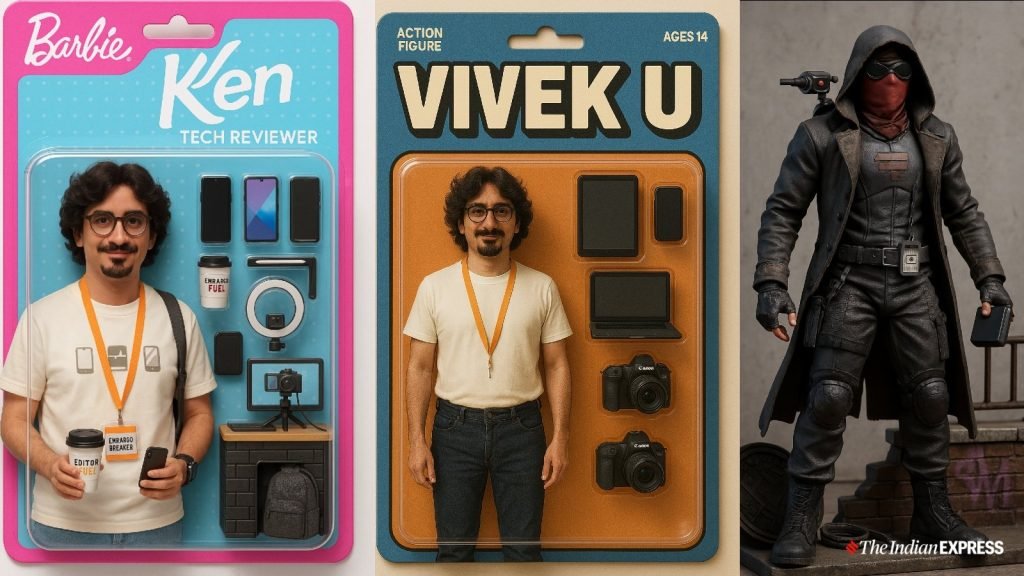
Have you ever wanted to create your own action figure but didn’t know where to start? What if you could bring your ideas to life with a simple tool right at your fingertips?
This guide will show you exactly how to make an action figure using ChatGPT, turning your imagination into reality step by step. By the end, you’ll have the skills to design a unique figure that’s all your own. Ready to dive in and create something amazing?
Let’s get started!

Credit: medium.com
Gathering Materials
Gathering the right materials is the foundation of creating a great action figure with ChatGPT’s help. Having the proper tools and supplies not only makes the process smoother but also improves the final result. You want to avoid frustration by preparing everything you need before you start crafting.
Choosing The Right Tools
Picking the right tools is crucial for shaping, detailing, and assembling your action figure. Basic tools include sculpting knives, fine paintbrushes, and sandpaper. If you want to add movable joints, small screwdrivers and pliers come in handy.
Think about the level of detail you want. Do you prefer a smooth finish or more intricate textures? The tools you choose will affect that. For example, using clay sculpting tools lets you carve tiny details, while simple household items like toothpicks can help with fine touches.
Selecting Materials
Your choice of materials affects the durability and look of your action figure. Common options include polymer clay, air-dry clay, and plastic model kits. Polymer clay is popular because it’s easy to mold and hardens in a regular oven.
Consider what you want your figure to do. Will it be a display piece or a toy for rough play? For display, lightweight materials like resin might work best. If you want it to be handled often, flexible plastics or reinforced clays will last longer.
Also, don’t forget paints and sealants. Acrylic paints are a favorite because they dry quickly and come in many colors. A clear sealant protects your paint job and adds a professional touch.
Designing The Action Figure
Designing the action figure is the first creative step in bringing your idea to life. It transforms your thoughts into a visible character. This phase sets the foundation for the figure’s look, feel, and personality. Careful design ensures the figure will be fun and unique.
Conceptualizing The Character
Start by imagining who your action figure will be. Think about its story, powers, and personality. Ask yourself:
- What is the character’s role?
- What makes it special?
- What emotions should it express?
Write down these ideas. Use simple words. This helps clarify your vision. ChatGPT can assist by generating character traits and background stories.
Creating Sketches
Sketching turns your ideas into visuals. Use basic shapes to outline the figure’s body and pose. Focus on:
- Body proportions
- Facial features
- Clothing and accessories
Keep sketches rough at first. Refine details step-by-step. ChatGPT can suggest design tips or describe features clearly. Visual drafts guide the next steps in making your action figure.
Modeling With Chatgpt
Modeling your action figure with ChatGPT can turn an overwhelming task into an exciting creative process. By using ChatGPT’s ability to generate ideas and refine designs through conversation, you stay in control while getting fresh perspectives. This approach helps you shape your figure step-by-step, making sure every detail fits your vision before moving on to physical creation.
Generating Ideas
Start by asking ChatGPT to help brainstorm character traits, poses, and accessories. You might say, “Help me design a superhero action figure with unique powers and a cool outfit.” ChatGPT can suggest a variety of themes, styles, and even backstories to inspire your model.
Try using bullet points to organize your thoughts as you chat:
- Character type (hero, villain, fantasy, sci-fi)
- Distinctive features (armor, gadgets, hairstyle)
- Pose options (dynamic action, standing, flying)
- Color schemes and textures
These details can evolve in conversation. Ask ChatGPT follow-up questions like, “What makes this character’s armor stand out?” or “How can I add personality through pose?” This way, you get a clear concept before starting any 3D modeling or sculpting.
Refining The Design
Once you have your initial ideas, use ChatGPT to dig deeper into specifics. You can describe your rough sketch or model and ask for suggestions to improve proportions, articulation points, or balance. For example, “How can I make the joints more flexible without losing stability?”
ChatGPT can also help you create a checklist for your design process:
| Design Aspect | Questions to Consider |
|---|---|
| Proportions | Are limbs and torso balanced for movement and aesthetics? |
| Articulation | Which joints need to move, and how much range is practical? |
| Materials | What materials will support durability and detail? |
| Detailing | Where should textures or paint accents be applied? |
Think about how your figure will be used or displayed. Will it be a collector’s piece or a toy for play? This influences design choices. By continuously refining your model with ChatGPT’s feedback, you avoid common mistakes and create a more polished final product.
Building The Prototype
Building the prototype is the first hands-on step in making an action figure with ChatGPT’s guidance. This stage turns your design ideas into a physical form. It requires careful assembly and checking every joint and part for smooth function.
Assembling Parts
Gather all parts based on your design plan. Use materials like plastic, clay, or 3D printed pieces. Follow ChatGPT’s instructions to match each piece correctly. Connect limbs, torso, and head firmly. Use glue or screws depending on the material. Keep parts aligned to avoid weak spots. Check each connection for stability before moving on.
Testing Movement
Move the figure’s joints slowly to test flexibility. Check elbows, knees, and neck for smooth rotation. Look for any stiffness or loose sections. Adjust or tighten parts as needed. Ensure the figure can hold poses without falling. This step helps catch problems early. It ensures your prototype works as expected.
Detailing And Painting
Detailing and painting bring your action figure to life. This stage transforms a basic shape into a character full of personality and charm. You’ll need patience and a steady hand, but the results make the effort worthwhile.
Adding Textures
Textures give your figure depth and realism. You can create textures by gently carving fine lines or dots on the surface using sculpting tools or even a toothpick.
Try experimenting with different textures like rough fabric for clothes or smooth skin. Adding subtle textures makes the paint stick better and enhances the overall look.
Think about what your figure represents. Is it wearing armor, leather, or cloth? Each material has its own texture, so add details that match your character’s story.
Selecting Paint Colors
Choosing the right paint colors is crucial for your figure’s personality. Start with a limited palette that matches your character’s theme.
Use lighter shades for highlights and darker tones for shadows. This contrast brings out the figure’s features and adds dimension.
Don’t hesitate to test colors on a scrap piece before applying them. Have you considered how color combinations affect the mood your figure conveys?

Credit: www.instagram.com
Final Touches
The final touches bring your action figure to life. This stage ensures your creation looks great and lasts long. Pay close attention to every detail. Small fixes can make a big difference.
These last steps prepare your figure for display or gifting. A careful approach improves quality and appeal.
Quality Check
Examine every part of the action figure carefully. Look for paint smudges, loose joints, or rough edges. Test all movable parts to ensure smooth action. Check the figure’s balance so it stands well. Fix any flaws with paint or glue. Use a soft cloth to clean dust or fingerprints. This step guarantees a professional finish.
Packaging
Choose packaging that protects and shows off your figure. Use a sturdy box or clear plastic case. Add padding inside to prevent damage during transport. Include a label with the figure’s name and details. Consider adding a small card with the story or features. Good packaging keeps your figure safe and attractive. It also adds value for collectors or gift receivers.

Credit: www.instagram.com
Frequently Asked Questions
What Materials Do I Need To Make An Action Figure?
You need clay or 3D modeling software, paint, sculpting tools, and a base for support. ChatGPT helps with design ideas and step-by-step guidance.
How Can Chatgpt Assist In Designing An Action Figure?
ChatGPT generates creative concepts, suggests features, and provides detailed instructions. It helps streamline your design and customization process.
Is 3d Printing Necessary For Making Action Figures?
3D printing is optional but useful for precise, repeatable models. ChatGPT can guide you through 3D modeling if you choose this method.
How Long Does It Take To Create An Action Figure?
The time varies based on complexity and method. With ChatGPT’s help, planning and execution become faster and more efficient.
Conclusion
Creating an action figure with ChatGPT is simple and fun. You can design characters step-by-step using easy instructions. ChatGPT helps you imagine and plan details clearly. This method saves time and sparks creativity. Anyone can try it, even beginners. Keep practicing to improve your skills and ideas.
Start your project today and enjoy making unique action figures!