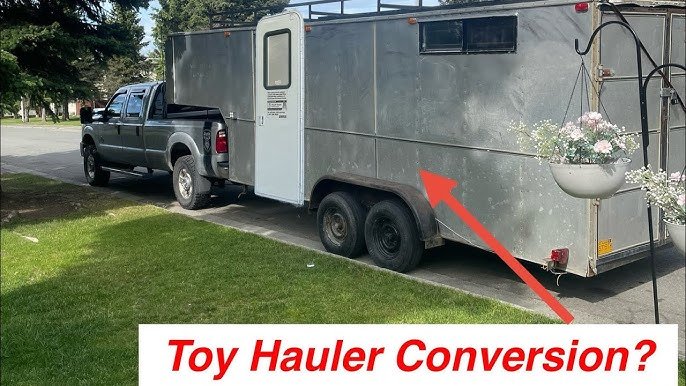
Are you ready to create the perfect toy hauler trailer tailored just for your adventures? Building your own toy hauler means you get exactly what you want — more space, better storage, and a setup that fits your lifestyle.
Imagine having a trailer that carries your toys safely and transforms into a comfortable living area whenever you need it. In this guide, you’ll discover simple steps and insider tips to make the process easy and enjoyable. Keep reading, and you’ll soon be on your way to building a trailer that’s truly your own.
Planning Your Toy Hauler
Planning your toy hauler is the foundation for a successful build. It shapes how you use the trailer and ensures it fits your lifestyle. Taking time to plan helps avoid costly mistakes and wasted effort down the road.
Setting Your Goals
Start by asking yourself what you want from your toy hauler. Will it mainly carry motorcycles, ATVs, or perhaps a mix of gear and camping supplies? Defining clear goals helps you decide on features like storage space, living quarters, and ramp size.
Think about your travel style. Do you prefer short weekend trips or extended adventures? This affects how much comfort and utility you need inside the trailer. Write down your must-haves and nice-to-haves to guide your decisions.
Choosing The Right Size
Size matters for both usability and towing. Too small, and you’ll struggle to fit your toys; too large, and it becomes difficult to tow and park. Measure the largest equipment you plan to haul to get a baseline for interior dimensions.
Consider the trailer’s overall length and width in relation to your towing vehicle. Are you comfortable driving a longer trailer? Remember that bigger often means higher costs and increased fuel consumption. Balance your needs with what you can handle.
Budgeting Essentials
Set a realistic budget before starting any build. Include costs for the trailer base, materials, tools, and any professional help you might need. Unexpected expenses always pop up, so add a buffer of at least 10-15%.
List your priorities to allocate funds wisely. Spend more on critical components like the frame and suspension, and save on decorative touches you can add later. Have you checked prices on trailers and parts recently? Market fluctuations can affect your plan.

Credit: www.reddit.com
Gathering Materials And Tools
Before you dive into building your toy hauler trailer, gathering the right materials and tools is crucial. Having everything organized saves time and prevents frustrating interruptions. It also helps you stick to your budget and ensures safety during the build.
Essential Materials List
Start with a solid frame—steel or aluminum are popular choices depending on your weight preferences. You’ll need plywood or composite panels for walls and flooring to create a durable and weather-resistant interior.
Don’t forget insulation materials to keep your trailer comfortable in different climates. Add wiring, lighting fixtures, and plumbing components if you plan to include those features. Hardware like bolts, screws, hinges, and sealants complete your basic materials kit.
Must-have Tools
Power tools make the job faster and more precise. A circular saw and drill are essential for cutting and fastening materials. An angle grinder helps with metalwork, while a welder is necessary if you’re building or modifying the frame yourself.
Basic hand tools like screwdrivers, wrenches, measuring tape, and clamps should never be overlooked. Safety gear, including gloves, goggles, and ear protection, keeps you safe during noisy or sharp tasks. Have a sturdy workbench or sawhorses to work comfortably and accurately.
Where To Source Supplies
Local hardware stores offer convenience and quick access to common materials and tools. Specialty metal suppliers or lumber yards can provide higher quality or custom-sized materials that fit your exact needs.
Online marketplaces often have competitive prices and a wider selection, especially for niche items like insulation or trailer-specific parts. Sometimes, reaching out to local builders or DIY communities can uncover secondhand tools or leftover materials that save money and reduce waste.
Designing The Layout
Designing the layout is a key step in building your toy hauler trailer. A good layout balances space for your toys, living area, and storage. It should feel open yet organized to make travel and camping easier. Thoughtful planning saves time and effort later on.
Space Optimization Tips
Maximize every inch inside the trailer. Use foldable or multi-use furniture to free up floor space. Keep pathways clear for easy movement. Place heavy items low and near the axle to maintain balance. Use vertical space with shelves or overhead compartments.
Incorporating Storage Solutions
Storage is crucial for gear and personal items. Use built-in cabinets with secure latches. Add under-seat storage compartments for small tools. Hooks and racks on walls hold helmets, ropes, and cables. Consider slide-out drawers for easy access. Label storage areas for quick organization.
Comfort And Convenience Features
Include seating that is both comfortable and practical. Plan for a small kitchen area with a stove and sink. Add windows or vents for fresh air and light. Install electrical outlets near the living space. Use materials that are easy to clean and durable for travel.
Building The Frame
Building the frame is the foundation of a strong toy hauler trailer. It supports the entire structure and the heavy loads it carries. A well-built frame ensures safety and durability for years of use.
Selecting The Base
Choose a base that matches your trailer size and weight needs. Steel is a popular choice due to its strength and affordability. Aluminum offers lighter weight but costs more. Consider the terrain and load type the trailer will face. The base must be flat and free from rust or damage before starting construction.
Frame Construction Techniques
Use welding to join metal pieces securely. Clean and prep surfaces to ensure strong welds. Bolting can add extra support but avoid relying on it alone. Square and level the frame during assembly to prevent alignment issues. Use braces in corners to increase rigidity. Keep measurements precise for a perfect fit.
Ensuring Stability And Strength
Add cross members evenly along the frame to spread weight. Reinforce stress points like axle mounts and door frames. Use thicker materials in high-load areas to prevent bending. Regularly check welds and joints for cracks or weakness. Paint or coat the frame to protect it from rust and wear. Stability comes from careful planning and quality materials.
Installing Flooring And Walls
Installing flooring and walls is a crucial part of building a toy hauler trailer. These elements protect your trailer’s interior and provide a clean, sturdy surface. Choose materials that handle heavy use and weather changes well. Proper installation ensures durability and comfort during your adventures.
Choosing Durable Flooring
Flooring must resist scratches, moisture, and heavy loads. Popular choices include plywood, vinyl, and rubber mats. Plywood offers strength but needs sealing to prevent water damage. Vinyl is water-resistant and easy to clean. Rubber mats add cushioning and protect floors from gear impacts. Select flooring that fits your budget and usage needs.
Wall Paneling Options
Walls require protection and style. Common materials are plywood, aluminum, and composite panels. Plywood is affordable and easy to work with. Aluminum panels are lightweight and resist rust. Composite panels combine durability with good insulation. Paint or finish panels to add extra protection and improve appearance.
Insulation Considerations
Insulation keeps your trailer comfortable in all seasons. Foam board and spray foam are effective choices. Foam board fits between wall studs and floors easily. Spray foam seals gaps, preventing drafts and moisture. Insulate walls and floors to maintain temperature and reduce noise. Proper insulation adds value and comfort to your toy hauler.
Electrical And Plumbing Setup
Setting up the electrical and plumbing systems in a toy hauler trailer is essential for comfort and functionality. These systems power appliances, lighting, water supply, and waste management. Proper planning and installation ensure a safe and efficient setup.
Setting Up Electrical Systems
Start with a main power source, usually a battery or shore power connection. Install a breaker panel to control power flow and protect circuits. Use wiring rated for RV or marine use for safety and durability.
- Plan circuits for lights, outlets, and appliances.
- Include USB ports for device charging.
- Install GFCI outlets near wet areas.
- Use fuses or breakers for each circuit.
- Label all wires and panels clearly.
Test all connections before finalizing installation. Proper grounding reduces electrical hazards and interference.
Plumbing Basics
Plumbing provides fresh water and handles waste. Start by installing a freshwater tank and connecting it to a pump. Run water lines to sinks, showers, and toilets using flexible tubing.
- Use PEX or PVC pipes for durability.
- Install shut-off valves on each fixture.
- Include a water heater for hot water supply.
- Set up a grey water tank for sink and shower waste.
- Connect a black water tank for toilet waste.
Test the system for leaks before sealing walls or panels.
Safety Precautions
Safety is critical when working with electrical and plumbing systems. Always disconnect power before starting electrical work. Use insulated tools and wear protective gear.
- Check local codes for compliance.
- Install smoke and carbon monoxide detectors.
- Use water-resistant electrical components near plumbing.
- Secure all pipes and wires to prevent movement.
- Test all systems thoroughly before use.
Regular maintenance helps prevent accidents and extends system life.
Adding Interior Features
Adding interior features to your toy hauler trailer transforms it from just a utility vehicle into a comfortable, functional living space. Thoughtful additions can maximize every inch while keeping the space inviting. What kind of atmosphere do you want inside your trailer?
Installing Cabinets And Counters
Start by choosing cabinets that fit your storage needs without crowding the space. Opt for lightweight materials like plywood or aluminum to keep the trailer’s weight manageable.
Install counters that serve multiple purposes—use fold-down surfaces or slide-out tables to save room. Think about where you’ll need easy access, such as near the kitchen area or workbench.
Consider adding hooks or magnetic strips on cabinet sides for extra storage of tools and small items. How can you make your storage smarter, not just bigger?
Furniture And Bedding
Pick furniture that’s compact and multifunctional, like a sofa that converts into a bed or storage ottomans. This approach helps you save space and keep things organized.
Use bedding that’s easy to store or fold away, such as roll-up mattresses or sleeping bags. A simple setup can make a huge difference in your daily comfort.
Don’t forget to secure your furniture to the floor or walls to avoid movement while traveling. Have you tested your furniture’s stability on the road yet?
Decor And Personal Touches
Small decor items can make your trailer feel like home without cluttering it. Add colorful cushions, lightweight curtains, or removable wall decals to brighten the space.
Personal touches like photos, travel mementos, or a favorite rug can boost your morale during long trips. How do you want your space to reflect your personality?
Use LED strip lights or battery-operated lamps to create adjustable lighting that suits different moods. Lighting can completely change how you experience your trailer’s interior.
Exterior Finishing Touches
Adding the final exterior touches to your toy hauler trailer is where your hard work truly shines. These details protect your investment and give it a polished look that stands out. Paying attention to painting, windows, doors, and security features can make a big difference in durability and usability.
Painting And Coating
Choosing the right paint and coating protects your trailer from weather, rust, and road debris. Use high-quality automotive or marine-grade paint for lasting coverage. Consider adding a clear coat or sealant to guard against UV damage and keep your trailer looking fresh.
Think about your environment. If you camp in wet or salty areas, a rust-resistant coating is essential. A well-painted exterior not only looks good but also lowers maintenance needs over time.
Windows And Doors
Windows bring light and ventilation, but they need to be sturdy and well-sealed. Opt for tinted or double-pane windows for better insulation and privacy. Make sure the frames are weatherproof to avoid leaks during rain or snow.
Doors should be easy to open but secure against intruders and weather. Adding weather stripping around door edges prevents drafts and water intrusion. Installing screens on windows and doors can keep bugs out without sacrificing airflow.
Security Features
Protect your trailer and its contents with smart security choices. Heavy-duty locks on doors and storage compartments are a must. You might want to add a hitch lock to prevent unauthorized towing.
Consider installing motion sensor lights or a small camera system for extra peace of mind. Sometimes, simple additions like a security alarm sticker can deter thieves before they try anything.
Which security measure feels most important to you based on where you plan to park or camp?
Final Checks And Testing
Before hitting the road with your toy hauler trailer, it’s crucial to perform thorough final checks and testing. This ensures your trailer is safe, fully functional, and ready for any adventure. Taking the time to inspect every detail can save you from costly repairs and dangerous situations down the line.
Safety Inspections
Start by examining the trailer’s frame and hitch connections. Look for any cracks, rust, or loose bolts that could compromise stability. Don’t forget to check the electrical wiring for the brake lights and turn signals; faulty wiring is a common issue that can lead to accidents.
Inspect the tires carefully for wear, proper inflation, and any punctures. Even a small tear can cause a blowout when driving. Double-check the brakes to make sure they engage smoothly and respond quickly.
Road Testing
Take your toy hauler on a short drive at different speeds to feel how it handles. Pay attention to any unusual noises, vibrations, or swaying. If the trailer pulls to one side or feels unstable, you may need to adjust the load distribution or check the suspension.
Test the brakes during your drive to confirm they stop the trailer effectively without dragging or locking up. Also, practice backing up and parking the trailer to get comfortable with its size and turning radius. How does it respond to tight turns or sudden stops?
Maintenance Tips
- Regularly lubricatemoving parts like door hinges and the hitch mechanism to prevent rust and wear.
- Clean the trailerafter each trip, especially if you’ve been on dusty or muddy roads, to avoid buildup that can damage surfaces.
- Check tire pressurebefore every journey and keep a spare tire ready in case of emergencies.
- Inspect electrical componentsperiodically, ensuring all lights and brakes function properly.
Remember, maintaining your toy hauler is an ongoing process. What small adjustment can you make today to extend your trailer’s life and improve your safety?

Credit: www.caranddriver.com

Credit: www.youtube.com
Frequently Asked Questions
What Materials Do I Need To Build A Toy Hauler Trailer?
You will need steel or aluminum for the frame, plywood for walls, insulation, flooring, and essential tools. Also include hinges, locks, and electrical wiring for functionality and safety.
How Much Does It Cost To Build A Toy Hauler Trailer?
Building a toy hauler trailer typically costs between $5,000 and $15,000. Costs vary by materials, size, and features you include, like electrical systems or custom storage.
How Long Does It Take To Build A Toy Hauler Trailer?
Building a toy hauler trailer usually takes 4 to 8 weeks. Time depends on your experience, tools, design complexity, and availability of materials.
What Are The Key Design Features Of A Toy Hauler Trailer?
Key features include a strong ramp door, secure tie-downs for vehicles, living space, storage compartments, and durable flooring. Proper ventilation and insulation are also important.
Conclusion
Building a toy hauler trailer takes time and careful planning. Follow each step with patience and care. Choose materials that fit your budget and needs. Test your trailer for safety before every trip. Enjoy the freedom to carry your toys anywhere.
Keep learning and improving your build skills. Your effort will make every adventure easier and fun. Stay safe and happy on the road!