Have you ever wondered if action figures are just a fancy type of doll? It’s a question that might seem simple, but the answer can actually surprise you.
Whether you collect them, play with them, or just see them on the shelf, understanding what makes action figures different from dolls can change how you see these toys forever. Stick around, because by the end of this article, you’ll look at your action figures—and maybe even dolls—in a whole new way.
Ready to dive in? Let’s get started.

Credit: tvtropes.org
Action Figures Vs Dolls
Action figures and dolls are popular toys loved by many. Both have figures of people or characters. They often look similar but serve different play styles.
This article explains the main differences between action figures and dolls. It helps you understand their key traits and who they are made for.
Key Characteristics
Action figures usually show heroes or characters from shows and games. They focus on action poses and details. Dolls often represent people or animals with softer looks.
Action figures tend to be smaller and more rigid. Dolls are often bigger and softer, made for hugging and dressing up.
- Action figures: small, detailed, poseable
- Dolls: larger, soft, designed for care play
- Action figures: focus on action and adventure
- Dolls: focus on imagination and role play
Design And Features
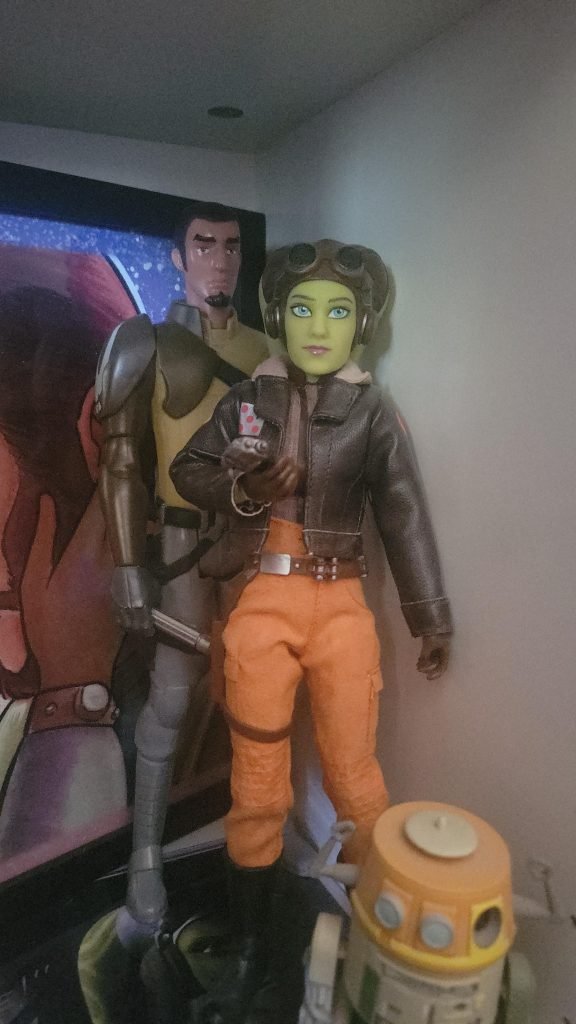
Action figures have many joints to move arms, legs, and heads. They often come with weapons or tools. Dolls have less joint movement but feature clothes and accessories.
Materials differ as well. Action figures use hard plastic for durability. Dolls use softer plastic or cloth for a gentle feel. Hair and facial features on dolls are more lifelike.
- Action figures: many movable joints, hard plastic
- Dolls: fewer joints, soft bodies, cloth clothes
- Action figures: include weapons or gadgets
- Dolls: focus on realistic hair and clothes
Target Audience
Action figures mainly attract children who enjoy action stories and adventures. They are popular with collectors of all ages. Dolls attract children who like role play and caring games.
Dolls are often marketed more to young children and those who enjoy dressing and styling. Action figures appeal to fans of comics, movies, and video games.
- Action figures: kids and collectors interested in action
- Dolls: kids who like role play and fashion
- Action figures: fans of superheroes and adventure
- Dolls: children who enjoy imaginative care play

Credit: www.ebay.ca
Historical Origins
Action figures and dolls have a long history that reflects culture and play. Their origins show how toys evolved over time.
Understanding the roots helps us see the difference between dolls and action figures today.
Early Dolls
Dolls have existed for thousands of years. Ancient civilizations made dolls from wood, clay, and cloth. These dolls often looked like humans or gods.
- Ancient Egypt had dolls made from wood and ivory.
- Greek and Roman children played with dolls of clay and wax.
- In Asia, dolls were used in religious ceremonies.
- Medieval Europe saw dolls with movable parts for children’s play.
Rise Of Action Figures
Action figures appeared in the 20th century. They were designed to represent heroes and characters from stories and media. Unlike dolls, action figures often had movable joints.
| Year | Milestone | Description |
| 1930s | Metal Soldier Figures | Small metal soldiers became popular toys. |
| 1964 | G.I. Joe Launch | First mass-market action figure with movable parts. |
| 1970s | Superhero Figures | Figures of comic book heroes gained popularity. |
| 1980s | Movie and TV Toys | Figures based on films and shows became common. |
Cultural Perceptions
Action figures and dolls are popular toys worldwide. People see them in many different ways.
Some think action figures are for boys and dolls are for girls. These views come from culture and society.
Gender Stereotypes
Many cultures link action figures with boys and dolls with girls. This idea affects how children play and learn.
This can limit kids from exploring all types of toys. It also sends a message about what is “for boys” or “for girls.”
- Action figures are seen as tough and adventurous
- Dolls are viewed as gentle and caring
- Boys are encouraged to play with action figures
- Girls are often given dolls to play with
Media Influence
Movies, TV shows, and ads show action figures and dolls in certain ways. This shapes how people think about these toys.
Media often shows action figures in heroic roles and dolls in beauty or family roles. This affects children’s choices and ideas.
- Action figures are linked to superheroes and battles
- Dolls appear in stories about families and fashion
- Advertising targets boys with action figures
- Girls see dolls in ads about care and style
Collectibility And Value
Action figures and dolls often attract collectors worldwide. Their value depends on rarity, condition, and demand.
Understanding market trends and collector communities helps buyers and sellers make informed decisions.
Market Trends
The market for action figures changes often. Limited editions usually become more valuable over time.
- Popular franchises increase demand
- Vintage figures tend to gain value
- Condition and packaging affect prices
- Re-releases may lower original value
Collector Communities
Collector groups share knowledge and trade figures. They help maintain the value of rare items.
| Community Type | Role in Collecting |
| Online Forums | Discuss trends and trades |
| Local Clubs | Meet and exchange items |
| Social Media Groups | Showcase collections and sales |
Psychological Impact
Action figures and dolls are more than toys. They play a role in shaping a child’s mind. Understanding their impact helps in guiding playtime effectively.
Both action figures and dolls influence imagination and social skills. They help kids explore different roles and scenarios, which is crucial for mental development.
Play Patterns
Children often mimic adult behavior using these toys. Boys and girls both benefit from playing with action figures and dolls, learning through imitation.
These toys encourage storytelling and creative thinking. Kids create adventures, enhancing their narrative skills and problem-solving abilities.
- Role-playing teaches empathy and understanding.
- Creating stories boosts language skills.
- Shared play enhances cooperation.
Child Development
Action figures and dolls contribute to emotional growth. They allow children to express feelings and work through emotions in a safe environment.
These toys also support fine motor skills. Dressing dolls or posing action figures requires precision, aiding hand-eye coordination.
| Skill | Benefit |
| Emotional Expression | Understanding feelings |
| Fine Motor Skills | Improved coordination |
| Social Interaction | Better communication |
Credit: www.etsy.com
Legal And Industry Definitions
The debate over whether action figures are dolls is ongoing. Legal and industry definitions provide clarity. Understanding these definitions helps in categorizing toys correctly.
Both action figures and dolls fall under the toy category. Their classification affects regulations and marketing strategies. Let’s explore how they are defined within the toy industry.
Toy Industry Standards
In the toy industry, standards are crucial. They ensure safety and proper categorization. Action figures and dolls must meet specific criteria.
- Action figures are typically posable figures representing characters.
- Dolls often resemble humans or animals, designed for play.
- Both are subject to safety standards for materials and construction.
Trademark And Branding
Trademarks distinguish products in the marketplace. Branding plays a vital role in how action figures and dolls are perceived. Companies invest heavily in these aspects.
Action figures often represent trademarked characters from films or comics. They are marketed to collectors and children alike. Dolls can be branded with unique names and themes, appealing to different demographics.
| Category | Definition |
| Action Figures | Posable character figures |
| Dolls | Human or animal likeness for play |
| Branding | Unique product identity |
Blurring The Lines
Action figures and dolls often seem like two different types of toys. Yet, the difference is becoming less clear. Many toys now mix features from both categories.
This change reflects how people see and use toys today. Let’s explore this shift through hybrid toys and changing consumer views.
Hybrid Toys
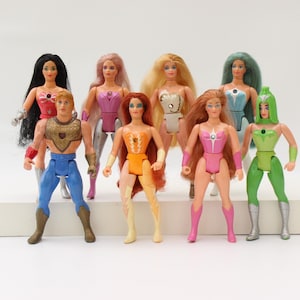
Hybrid toys combine traits of action figures and dolls. They have movable parts like action figures but also come with clothing and accessories like dolls.
- Flexible joints for posing and play
- Detailed costumes and hairstyles
- Story-based characters with rich backgrounds
- Appeal to a wide range of ages
Changing Consumer Views
People no longer see action figures and dolls as strictly separate. Many buyers value creativity and storytelling over labels.
| Aspect | Old View | New View |
| Target Age | Boys or Girls | All Children |
| Play Style | Action vs. Dress-up | Imaginative and Mixed |
| Design | Rigid vs. Soft | Flexible and Detailed |
| Marketing | Gendered | Inclusive |
Frequently Asked Questions
Are Action Figures Considered Dolls By Collectors?
Action figures are often seen as dolls but usually target older audiences. Collectors distinguish them by detail, articulation, and themes, unlike traditional dolls made for children.
What Defines An Action Figure Versus A Doll?
Action figures typically represent superheroes or fictional characters with movable joints. Dolls usually have softer features and focus on nurturing or fashion play, highlighting different play styles.
Can Action Figures Be Used As Dolls In Play?
Yes, children often use action figures like dolls during imaginative play. Both encourage creativity, but action figures focus more on action and adventure scenarios.
Why Do Some People Debate If Action Figures Are Dolls?
The debate exists because both are figurative toys. Differences in marketing, design, and target age groups create confusion about their classification.
Conclusion
Action figures and dolls share some similarities but also have clear differences. Both are toys people enjoy collecting and playing with. Action figures usually represent heroes or characters with special powers. Dolls often look like real people or babies. Whether you call them dolls or action figures, both bring fun and creativity.
The choice depends on what you like best. Toys like these help us imagine stories and adventures. So, enjoy your collection, no matter the name.