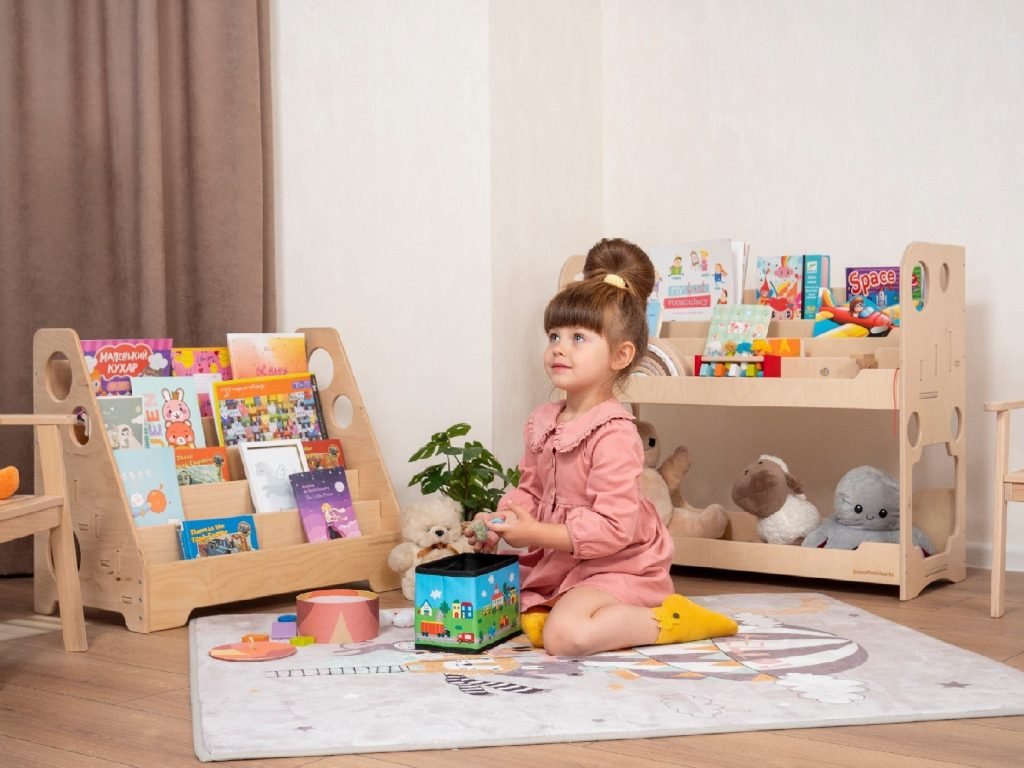
Choosing the right toys for your child can feel overwhelming. You want something that’s not just fun but also helps your little one learn and grow.
That’s where Montessori toys come in. These toys are designed to spark curiosity and build important skills naturally. But how do you know which ones are best for your child? You’ll discover simple tips to pick Montessori toys that truly support your child’s development.
Keep reading—you’ll soon feel confident about making the best choice for your child’s playtime and learning.
Benefits Of Montessori Toys
Montessori toys offer more than just entertainment—they support your child’s growth in meaningful ways. These toys are designed to encourage learning through play, helping kids develop important skills naturally. Understanding the benefits can help you choose toys that truly add value to your child’s playtime.
Enhances Concentration And Focus
Montessori toys are simple and purposeful, which helps your child concentrate longer. Without flashy distractions, kids learn to focus on the task at hand.
I noticed my niece spent over 20 minutes sorting wooden shapes—much longer than usual playtime. This deep focus is a key benefit you want to encourage.
Promotes Independent Learning
These toys invite children to explore and solve problems on their own. They build confidence as your child figures out how things work without constant help.
Have you seen a child figuring out a puzzle without instructions? That moment of discovery fuels their curiosity and independence.
Supports Fine Motor Skills Development
Many Montessori toys require precise hand movements, which strengthen fine motor skills. Activities like threading beads or stacking blocks improve hand-eye coordination.
Watch your child carefully manipulate small objects—it’s more than play; it’s muscle and brain development happening simultaneously.
Encourages Creativity And Imagination
Open-ended Montessori toys let your child use their imagination freely. Without predefined outcomes, kids create their own stories and uses for the toys.
Have you noticed how a simple wooden block can become a car, a house, or a spaceship? This flexibility sparks creativity.
Builds Problem-solving Skills
Montessori toys often challenge children with puzzles and sorting tasks that require critical thinking. Your child learns to analyze and find solutions independently.
Next time your child struggles with a shape sorter, observe how they try different approaches. That trial-and-error process builds resilience and problem-solving ability.
Credit: woodandhearts.com
Key Principles Of Montessori Method
The Montessori method focuses on nurturing a child’s natural curiosity and desire to learn. Toys and materials play a crucial role in this learning style. They encourage hands-on exploration and independent thinking. Choosing the right Montessori toys means understanding the key principles behind this approach.
Child-centered Learning
Children lead their own learning process. They choose activities that interest them most. Montessori toys should allow freedom and self-direction. This helps children feel confident and motivated.
Hands-on Exploration
Learning happens through touch and movement. Montessori toys must be tactile and engaging. They help children develop fine motor skills and sensory awareness. Real materials, like wood or fabric, work best.
Simple And Natural Materials
Toys should be made from natural, safe materials. Bright colors and loud noises are avoided. Simple designs help children focus on learning, not distractions. This supports concentration and calmness.
Developmental Appropriateness
Toys match the child’s age and skill level. They offer just the right challenge to avoid frustration. Materials grow with the child, encouraging new skills at each stage.
Montessori toys promote self-care and problem-solving. Children learn to do tasks on their own. Toys should be easy to handle and store by children themselves.
Age Appropriateness
Choosing Montessori toys that fit a child’s age is very important. Age-appropriate toys support learning and growth in the best way. Toys too simple or too hard can cause boredom or frustration.
Each age group has unique needs and skills. Toys should match these to help children explore and develop naturally.
Understanding Developmental Stages
Children grow quickly in the first years. Each stage has key skills to build. For babies, sensory exploration is key. Toddlers need toys that encourage movement and problem-solving. Preschoolers benefit from tools that promote creativity and independence.
Choosing Toys For Infants (0-12 Months)
Infants learn through senses and touch. Soft, safe toys with varied textures are ideal. Toys that make gentle sounds or have high-contrast colors attract attention. Simple objects that can be grasped and shaken help develop motor skills.
Selecting Toys For Toddlers (1-3 Years)
Toddlers start walking and exploring actively. Toys that encourage movement and coordination are best. Stacking blocks, simple puzzles, and shape sorters develop fine motor skills. Open-ended toys let toddlers use imagination freely.
Picking Toys For Preschoolers (3-6 Years)
Preschoolers enjoy more complex tasks. Toys that teach counting, letters, and creativity work well. Practical life sets like pouring or dressing frames build independence. Art supplies and building kits inspire imagination and problem-solving.
Materials And Safety
Choosing Montessori toys means focusing on materials and safety. These factors help create a healthy, stimulating play environment. Montessori toys should be made from natural and non-toxic materials. They must be durable and safe for young children to handle.
Parents and educators should carefully check the quality of materials. Safe toys support a child’s development and encourage exploration without risks.
Natural Materials For Montessori Toys
Wood is a popular choice for Montessori toys. It feels warm and is strong enough for rough play. Cotton and wool are also good materials for soft toys. These natural fibers are gentle on the skin and safe to chew. Avoid plastic toys with harsh chemicals or sharp edges.
Non-toxic Finishes And Paints
Toys should use non-toxic paints and finishes. Children often put toys in their mouths. Non-toxic coatings keep them safe from harmful substances. Look for toys labeled with safe certification marks. These ensure the product meets safety standards.
Durability And Construction Quality
Montessori toys need to last long and handle daily use. Check for solid construction with no loose parts. Avoid small pieces that can break off easily. Sturdy toys encourage confident handling and independent play.
Size And Shape Safety
Choose toys with smooth edges and rounded corners. Small parts can be choking hazards for young children. Select toys large enough to prevent swallowing. The shape should fit comfortably in a child’s hand for easy use.
Encouraging Independence
Encouraging independence is a key goal in choosing Montessori toys. These toys help children learn how to do things by themselves. They build confidence and problem-solving skills. Toys that promote independence let kids explore and try new tasks without constant help.
Children gain a sense of achievement when they complete activities on their own. This feeling motivates them to keep learning and growing. Montessori toys should support this process by being simple and easy to use.
Choose Toys That Match Your Child’s Abilities
Pick toys that fit your child’s current skills. Toys that are too hard cause frustration. Toys that are too easy do not challenge them. Look for toys with clear steps and simple parts. This encourages children to try and finish tasks by themselves.
Look For Toys That Encourage Problem-solving
Montessori toys should invite kids to think and find solutions. Puzzles, sorting games, and building blocks help develop this skill. These toys allow children to experiment and learn from mistakes. They support independent thinking and creativity.
Opt For Open-ended Toys
Choose toys that can be used in many ways. Open-ended toys inspire imagination and decision-making. They do not have one fixed purpose or way to play. This freedom encourages children to take control of their playtime and learn at their own pace.
Select Toys With Easy-to-use Designs
Toys with simple designs promote independence. Large buttons, handles, and smooth edges make toys easier to hold and use. Clear instructions or visual guides help kids understand how to play without help. Avoid toys with too many small parts or complicated mechanisms.
Promoting Creativity And Imagination
Choosing Montessori toys that promote creativity and imagination is essential for your child’s development. These toys encourage open-ended play, allowing kids to explore ideas and express themselves freely. When you pick toys that spark curiosity, you help build a foundation for problem-solving and innovative thinking.
Look For Open-ended Toys
Open-ended toys do not have a fixed way to play. They let your child create different scenarios, stories, or structures. Blocks, wooden shapes, and simple art supplies are perfect examples. These toys invite your child to imagine new possibilities every time they play.
Choose Natural And Simple Materials
Toys made from wood, fabric, or natural fibers feel pleasant and encourage sensory exploration. They don’t overwhelm your child with bright lights or sounds. When I gave my niece a set of wooden animals, she invented stories about their adventures for hours. Can your child’s imagination take flight with simpler, quieter toys?
Consider Toys That Encourage Role Play
Role-playing toys help children step into different roles and see the world from new perspectives. Items like dollhouses, kitchen sets, or dress-up clothes can inspire countless stories. When your child pretends to be a chef or a teacher, their creativity grows alongside empathy and social skills.
Pick Toys That Grow With Your Child
Some Montessori toys adapt as your child develops new skills. Puzzles with varying difficulty levels or stackable sets that can be arranged in many ways keep your child challenged. Think about toys that won’t lose their appeal quickly but will continue to inspire new ideas over time.
Encourage Imaginative Play With Minimal Instructions
Toys that come with few or no instructions give your child freedom to decide how to play. This freedom makes your child the creator of their playtime experience. Have you noticed how children invent their own rules when given the chance? This kind of play is crucial for imaginative growth.
Balancing Educational Value And Fun
Choosing Montessori toys means finding the right mix between learning and enjoyment. Toys should not only teach new skills but also keep your child interested and excited. If a toy is too educational and boring, your child might lose interest quickly. On the other hand, if it’s all fun with no learning, it won’t help their development much.
Understanding Your Child’s Interests And Learning Style
Every child is unique. Some love hands-on activities, while others enjoy solving puzzles or exploring nature. Watch what grabs your child’s attention naturally. This will guide you toward toys that blend fun and education smoothly.
Think about how your child learns best. Do they prefer visual, tactile, or auditory experiences? Choosing toys that match their style makes learning feel like play.
Choosing Toys That Encourage Creativity And Problem Solving
Montessori toys should challenge your child without causing frustration. Look for toys that allow open-ended play. Blocks, stacking rings, and simple puzzles encourage kids to experiment and find solutions on their own.
When my niece played with wooden blocks, she built towers and bridges, learning balance and coordination without even realizing she was developing problem-solving skills. What kinds of toys inspire your child to think and create?
Checking For Quality And Safety Alongside Engagement
High-quality materials make a big difference. Natural wood or non-toxic plastics feel better and last longer. These materials also provide sensory experiences that plastic often misses.
Safety is non-negotiable. Small parts or sharp edges can turn fun into danger fast. Always check age recommendations and test toys yourself to ensure they are safe and enjoyable.
Balancing Challenge And Accessibility
A toy should neither be too easy nor too hard. It should stretch your child’s abilities just enough to keep them interested without causing frustration. Montessori toys that grow with your child offer the best value.
Consider toys with multiple uses or levels, like a shape sorter that starts simple but adds complexity as skills improve. How do you know if a toy is just right? Watch if your child returns to it often and seems eager to try again.
Credit: woodandhearts.com
Where To Find Quality Montessori Toys
Finding quality Montessori toys can feel overwhelming with so many options available online and in stores. Yet, choosing the right place to buy these toys makes a big difference in their authenticity, safety, and educational value. Knowing where to look helps you get the best for your child’s developmental needs without wasting money on low-quality products.
Specialty Montessori Stores
Dedicated Montessori stores focus on toys that align with Montessori principles. These stores often carry items made from natural materials like wood and cotton, ensuring durability and safety. You’ll find toys designed to develop specific skills, such as fine motor control or sensory exploration.
Visiting a specialty store also gives you a chance to ask experts questions. They can recommend toys based on your child’s age and interests, which saves you time and guesswork.
Reputable Online Marketplaces
Online marketplaces like Etsy or Montessori-specific websites offer a wide range of options. Many sellers provide detailed descriptions, including the materials used and the developmental benefits of each toy. This information helps you make an informed choice without seeing the toy in person.
Check reviews and ratings carefully before buying. High ratings and positive feedback from other parents are strong indicators of quality and satisfaction.
Secondhand And Local Community Sources
Consider local community groups, swap meets, or secondhand shops for Montessori toys. You might find gently used items that are still in excellent condition. Buying secondhand saves money and supports sustainable consumption.
However, inspect toys closely for safety and cleanliness. Avoid items with missing parts or those made from unsafe materials.
Educational Toy Brands
Some brands specialize in educational toys that fit Montessori values. Brands like Hape, PlanToys, and Grimm’s are known for their commitment to quality and child development. Their toys often meet strict safety standards and use eco-friendly materials.
Research the brand’s philosophy and materials before purchasing. This helps ensure your investment aligns with Montessori ideals and your child’s learning journey.
Budget Considerations
Setting a budget is one of the smartest moves you can make when choosing Montessori toys. It helps you avoid overspending and ensures you focus on quality over quantity. Balancing cost and educational value doesn’t have to be hard if you know what to look for.
Prioritize Essential Montessori ToysYou don’t need to buy every toy on the market. Start with basics that offer multiple learning opportunities, like wooden blocks or stacking toys. These simple items encourage creativity and problem-solving, making them worth every penny.
Think about what skills you want your child to develop first. Focusing your budget on toys that support those skills makes your spending more effective.
Compare Prices and QualityNot all Montessori toys are priced equally. Check materials and craftsmanship before buying. Sometimes a higher price means better durability and safety, which saves money in the long run.
Look for deals or bundles that offer good value without compromising quality. Don’t forget to read reviews from parents who have tested these toys.
Consider Secondhand or DIY OptionsUsed Montessori toys can be an affordable way to build your collection. Many parents sell gently used items that still meet educational standards. You can find these on online marketplaces or local community groups.
If you enjoy crafts, making some toys yourself is another cost-saving idea. Simple DIY projects like sensory bottles or felt boards can provide great learning experiences.
Set a Flexible BudgetBe ready to adjust your budget based on the toy’s impact on your child’s learning. Sometimes spending a little more on a well-designed toy pays off with longer use and more engagement.
Ask yourself: Is this toy worth the investment for your child’s development? This question helps keep your spending aligned with your goals.
Credit: woodandhearts.com
Frequently Asked Questions
What Are The Key Benefits Of Montessori Toys?
Montessori toys promote creativity, independence, and fine motor skills. They encourage hands-on learning and sensory exploration. These toys support natural development without overwhelming children. They foster focus and problem-solving through simple, purposeful design. Choosing them helps nurture a child’s curiosity and confidence effectively.
How To Choose Age-appropriate Montessori Toys?
Select toys that match your child’s developmental stage. Younger children benefit from sensory and motor skill toys. Older kids need more complex puzzles or practical life activities. Age-appropriate toys ensure safety and engagement. Always check manufacturer’s age recommendations for the best fit.
Why Are Natural Materials Preferred In Montessori Toys?
Natural materials like wood and cotton are safe and durable. They provide sensory richness, enhancing touch and sight experiences. These materials avoid harmful chemicals often found in plastics. They also promote environmental awareness and sustainability. Choosing natural toys aligns with Montessori educational values.
How Do Montessori Toys Support Child Independence?
Montessori toys are designed for self-directed play. They allow children to explore and learn at their own pace. These toys encourage problem-solving without adult help. Simple designs minimize distractions and promote focus. This approach builds confidence and decision-making skills.
Conclusion
Choosing the right Montessori toys helps children learn and grow. Pick toys that match their age and interests. Simple, natural materials work best for little hands. Toys should encourage creativity, focus, and problem-solving skills. Remember, quality matters more than quantity in playthings.
Spend time playing together to support their development. This way, kids enjoy learning through fun and discovery. Keep these tips in mind for smart toy choices. Your child will benefit every step of the way.