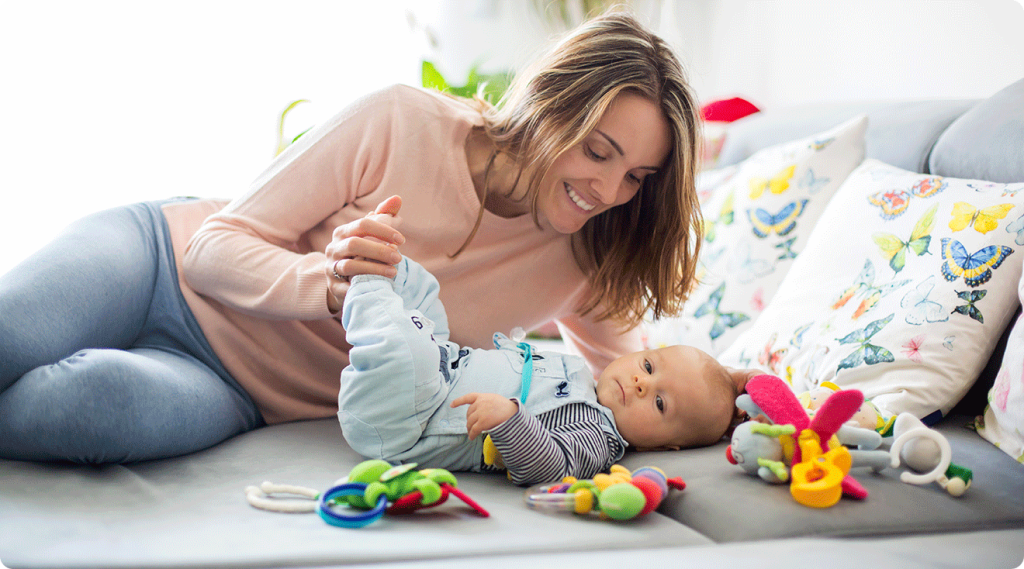
Have you ever wondered when your baby will start playing with toys? Watching your little one discover the world is exciting, and toys play a big part in that journey.
But knowing the right time to introduce toys can make a huge difference in their growth and happiness. You’ll learn exactly when babies begin to enjoy toys and how you can choose the best ones to support their development. Keep reading—you don’t want to miss these simple tips that can turn playtime into a powerful learning experience for your baby.
Credit: www.focusonthefamily.com
Early Engagement With Toys
Toys play a key role in a baby’s growth from the very start. Early engagement with toys helps babies explore their world. It supports their senses, motor skills, and brain development. Babies begin interacting with toys differently as they grow. Understanding these stages helps parents choose the right toys for each age.
Newborns And Sensory Exploration
Newborns use their senses to learn about toys. They are drawn to bright colors and high-contrast patterns. Soft textures and gentle sounds also catch their attention. At this stage, babies mostly look at and feel toys. They do not grasp objects yet but enjoy sensory experiences. Toys like soft rattles and black-and-white cards work well.
2-4 Months: Grasping And Reaching
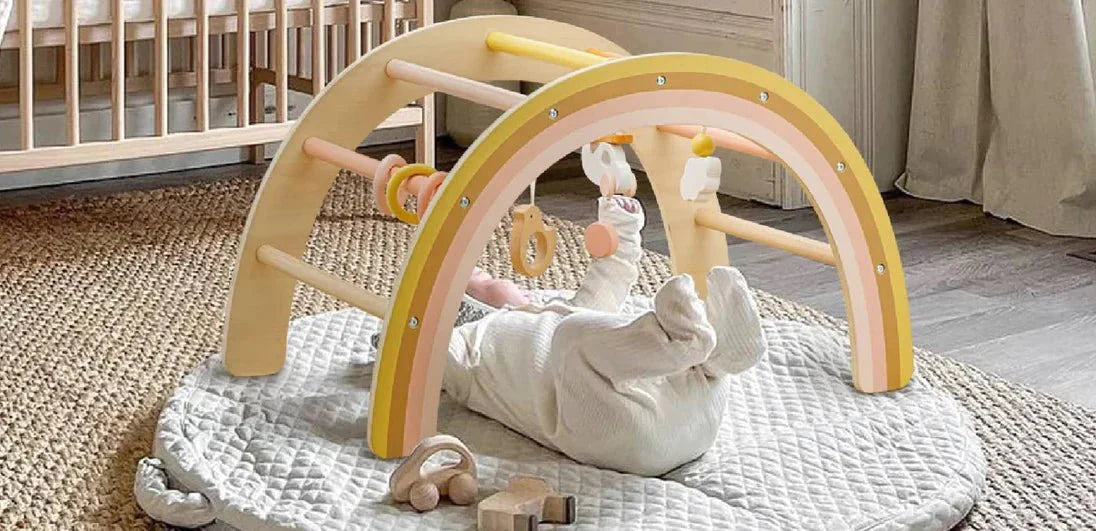
Between two and four months, babies start to reach for toys. Their hand-eye coordination improves. They begin to grasp and hold objects briefly. Toys that are easy to grab, like soft blocks or rings, encourage this skill. This stage boosts muscle strength and focus. Babies also explore toys by bringing them to their mouth.
Credit: www.tinylandus.com
Developmental Milestones
Understanding when babies start to play with toys helps you support their growth effectively. Developmental milestones mark the stages where your baby gains new skills and interacts more with their environment. Watching your little one discover toys can be both exciting and revealing about their progress.
6-8 Months: Intentional Play
Between six and eight months, babies begin to play with purpose. They don’t just grab toys by accident anymore; they reach for specific items. This shift means your baby is learning cause and effect and starting to understand their environment better.
At this stage, you might notice your baby shaking a rattle or banging blocks together. These actions help develop their hand-eye coordination and fine motor skills. Try offering toys with different textures and sounds to keep their interest high.
Have you seen your baby focus on a toy for longer than a few seconds? That’s intentional play in action. Encouraging this behavior by sitting with them and showing how toys work can boost their confidence and curiosity.
9-12 Months: Advanced Manipulation
As your baby approaches their first year, their play becomes more complex. They start using toys in creative ways, such as stacking rings or pushing buttons to make sounds. This shows improved problem-solving skills and better control over their movements.
Your baby might also imitate actions, like pretending to feed a doll or talking on a toy phone. These behaviors are early signs of imaginative play, which is crucial for social and emotional development.
Provide toys that challenge your baby’s abilities, like shape sorters or simple puzzles. These help refine their dexterity and encourage independent exploration. What new skills have you noticed your baby mastering during play?
Toddler Play Patterns
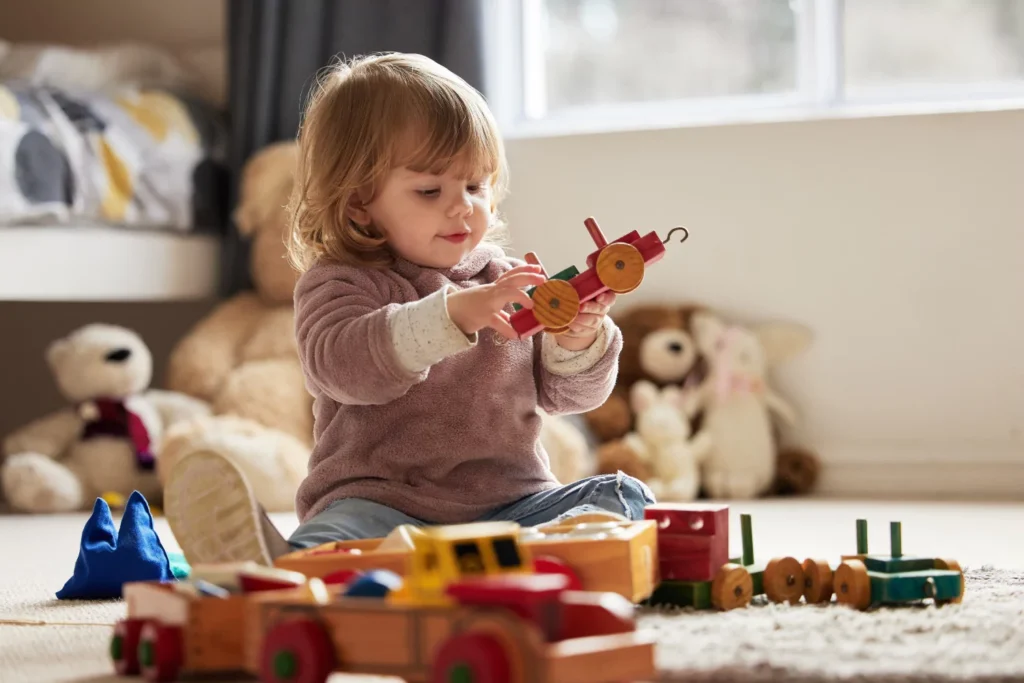
Toddler play patterns shift dramatically as children grow from infants into curious little explorers. During this stage, play becomes a tool for learning, communication, and emotional growth. Your toddler’s way of playing with toys reveals a lot about their development and interests.
Imaginative Play
Imaginative play starts to blossom around toddlerhood. Your child might use a simple block as a phone or pretend a doll is a friend. This kind of play helps toddlers practice problem-solving and express feelings they can’t yet put into words.
Encouraging imaginative play means giving your toddler toys that are open-ended, like building blocks, dolls, or kitchen sets. These toys invite creativity without strict rules. Have you noticed your toddler creating stories or scenarios during playtime? That’s their imagination working hard.
Social Interaction
Toddlers also begin to show interest in playing alongside or with others. This social play isn’t always cooperative at first—it often looks like parallel play, where children play near each other but not directly together.
Sharing toys can be tricky for toddlers, but it’s an essential skill. You can guide your child by gently encouraging turn-taking and showing how to express feelings with words. Watching how your toddler interacts with peers or siblings gives you clues about their social development.

Credit: www.thebump.com
Choosing Appropriate Toys
Choosing the right toys for babies is important for their growth and happiness. Toys help babies learn new skills and explore the world. Picking toys that match their age and safety needs supports healthy development. It also keeps playtime fun and worry-free. Parents and caregivers should focus on toys that are safe, stimulating, and suitable for the baby’s stage.
Safety Considerations
Safety is the top priority when selecting toys for babies. Babies put toys in their mouths often. Small parts can cause choking hazards. Avoid toys with loose pieces or sharp edges. Look for toys made from non-toxic materials. Check for sturdy construction to prevent breakage. Always follow age recommendations on toy labels. Regularly inspect toys for wear and damage. Clean toys frequently to keep germs away.
Age-appropriate Options
Toys should match the baby’s age and abilities. Newborns enjoy soft, textured toys they can touch and see. Around 3 to 6 months, babies like toys with bright colors and sounds. Toys that encourage reaching and grasping help develop motor skills. For older babies, stacking blocks and simple puzzles are good choices. Toys that promote crawling and walking support physical growth. Choose items that challenge yet do not frustrate the baby.
Expert Tips For Encouraging Play
Encouraging your baby to play with toys is essential for their growth and development. Play helps build motor skills, sparks curiosity, and fosters emotional connections. You can support your little one by creating the right space and actively joining in their playtime.
Creating A Stimulating Environment
Set up a safe, comfortable area where your baby can explore toys freely. Use bright colors and varied textures to catch their attention. Rotate toys regularly to keep the environment fresh and exciting.
Think about what makes your baby smile or reach out. Adding simple items like soft blocks, rattles, or toys with sounds can encourage interaction. Keep the space clutter-free so your baby can focus without distractions.
Engaging In Playtime
Get down to your baby’s level and join their world. Your presence and enthusiasm make playtime more enjoyable and meaningful. Talk, sing, and show how to use the toys—it helps your baby learn and feel connected.
Don’t rush the play. Let your baby explore at their own pace and follow their interests. Have you noticed how your baby reacts when you make silly sounds or mimic their movements? These moments build trust and make playtime special.
Frequently Asked Questions
When Do Babies Start Playing With Toys?
Babies typically begin playing with toys around 3 to 6 months. At this stage, they develop hand-eye coordination and curiosity. Simple toys that are colorful and easy to grasp attract their attention and encourage exploration.
What Types Of Toys Do Babies Like First?
Newborns prefer soft, high-contrast toys like rattles and plush animals. These stimulate their senses and promote early development. Toys with different textures and sounds help babies learn about their environment safely.
How Do Toys Help A Baby’s Development?
Toys encourage motor skills, cognitive growth, and sensory exploration. Playing boosts hand-eye coordination and problem-solving abilities. Interactive toys also support language development and social interaction in babies.
When Should I Introduce New Toys To My Baby?
Introduce new toys every few months as your baby grows. This keeps their interest alive and matches their developmental stage. Age-appropriate toys challenge their skills and promote continuous learning.
Conclusion
Babies start playing with toys at different ages. Some begin as early as a few months old. Toys help them learn and explore the world. Playing boosts their senses and motor skills. Choose safe, simple toys for each stage. Watch your baby’s interests and join in play.
This time builds bonds and happy memories. Toys are tools for growth and fun. Keep offering new toys as your baby grows. Playtime is a special part of their daily routine. Enjoy these precious moments together.