Have you ever wondered when your baby will start truly engaging with their toys? Watching your little one discover the world is one of the most exciting parts of parenthood.
But knowing exactly when they begin to interact with toys can help you choose the right ones and support their growth. You’ll learn the key moments when your baby starts to reach out, explore, and play. Understanding this will not only make playtime more fun but also boost your baby’s development in amazing ways.
Keep reading to find out what to expect and how to make the most of these special early interactions.
Credit: www.thebump.com
Early Exploration
Babies begin exploring the world around them from a very young age. Early exploration of toys marks an important step in their growth. During this stage, infants start to use their senses and motor skills to understand objects. These first interactions help build connections between what they see, touch, and feel. Toys become more than just objects; they turn into tools for learning and discovery.
First Grasping Movements
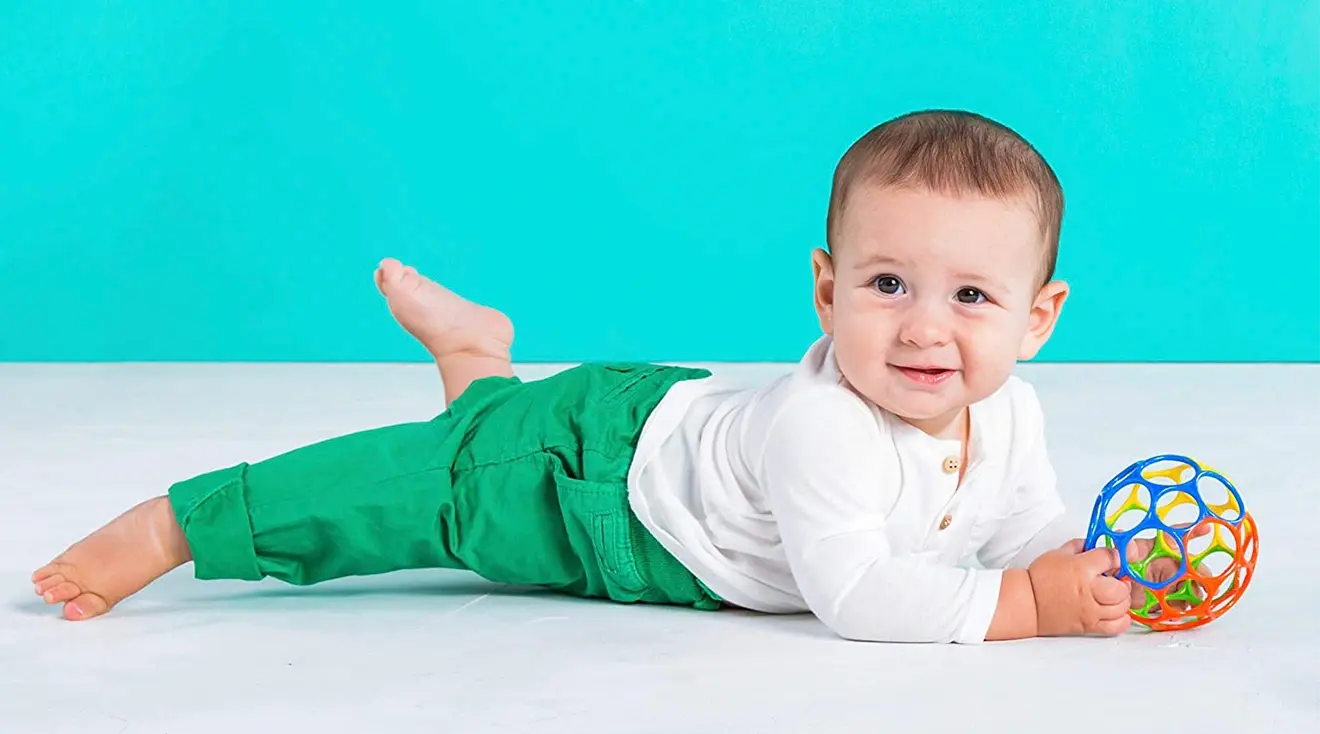
At about two to three months, babies start making small hand movements. They begin to open and close their fists. Soon, they try to reach for nearby toys. These early grasps are often uncoordinated but show growing interest. Babies learn how to hold objects by accident at first. Over time, their grip becomes stronger and more deliberate. Grasping helps develop hand muscles and coordination.
Visual Tracking Of Toys
Visual tracking begins around one to two months of age. Babies follow moving toys with their eyes. This skill improves their focus and attention span. Parents can encourage tracking by moving toys slowly across their baby’s field of vision. Tracking helps babies learn object permanence—the idea that things exist even when out of sight. It also supports brain development and hand-eye coordination.

Credit: www.womensweekly.com.sg
Sensory Engagement
Sensory engagement is the first way babies start to interact with toys. It helps them learn about the world around them. Babies use their senses to explore new objects. Toys that stimulate senses catch their attention quickly.
During the early months, babies focus on feeling, seeing, and hearing toys. These simple experiences build the base for more complex skills. Sensory play supports brain growth and motor skills. It also encourages curiosity and focus.
Tactile Exploration
Babies begin to touch and hold toys around 2 to 3 months old. Their sense of touch guides them to discover different textures. Soft, smooth, rough, and bumpy surfaces interest them the most. Tactile exploration helps babies understand the shape and size of toys.
At this stage, babies often put toys in their mouths. This is a natural way to explore texture and taste. Safe teething toys are perfect for this phase. Toys with varied textures encourage longer play and more learning.
Auditory Responses
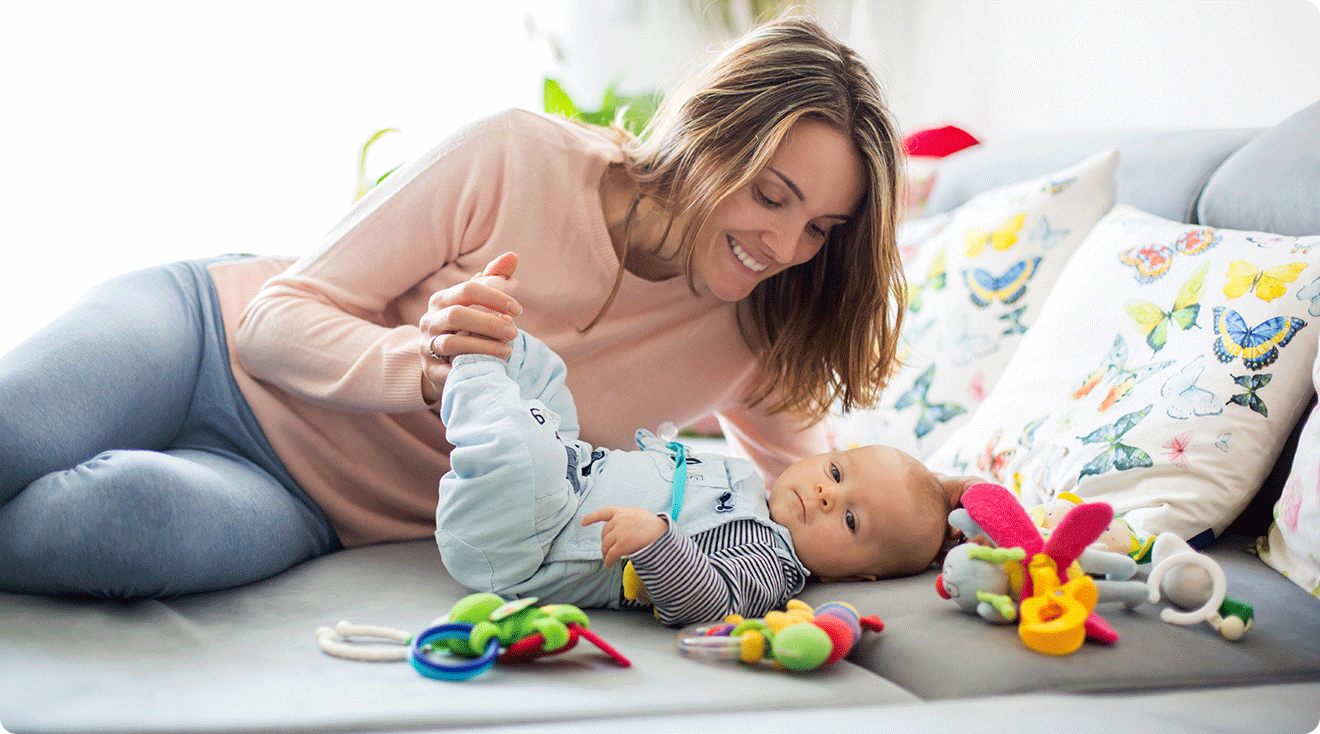
Babies start to respond to sounds from toys as early as 1 to 2 months. Rattles, bells, and crinkly toys attract their attention. Sounds help babies link actions with reactions. They learn that shaking or hitting a toy makes noise.
Auditory stimulation boosts listening skills and focus. It also supports language development. Toys with gentle, clear sounds are best for this stage. Repeating the sounds helps babies recognize and enjoy them more.
Developing Coordination
Developing coordination is a key milestone in your baby’s growth, marking the moment they start to actively engage with the world around them. This process involves mastering simple movements that lead to more complex actions, especially when interacting with toys. Watching your baby improve their coordination can be both exciting and a great opportunity to support their development.
Hand-eye Coordination
Hand-eye coordination is the skill that lets your baby see an object and then use their hands to interact with it. Around 3 to 4 months, babies begin tracking moving toys with their eyes and try to reach for them. You might notice your baby staring at a colorful rattle before swiping at it clumsily—this is their brain and body learning to work together.
You can encourage this by holding toys within their sight and slowly moving them side to side. This practice helps your baby predict where the toy will go, strengthening their coordination. Have you tried dangling a mobile or shaking a soft toy to see if your baby follows it?
Reaching And Grabbing
Reaching and grabbing are natural next steps after your baby develops basic hand-eye coordination. Around 4 to 6 months, babies start to stretch their arms and grasp objects intentionally. This is a huge leap because it shows they understand cause and effect—when they reach out, they can hold something.
Offering toys that are easy to hold, like soft blocks or rings, encourages your baby to practice this skill. Notice how your baby’s fingers open wider and close more firmly with each attempt. What small, safe objects in your home could spark your baby’s curiosity and help them practice grabbing today?
Interactive Play
Interactive play marks a crucial stage in your baby’s development. It moves beyond simple exploration and helps build connections between your baby and the world around them. At this stage, toys become tools for communication and learning.
Social Play With Parents
Social play is when your baby starts to engage directly with you using toys. You might notice your baby handing you a toy, waiting for you to respond, or even smiling as you join in. This back-and-forth interaction encourages bonding and teaches your baby about cause and effect.
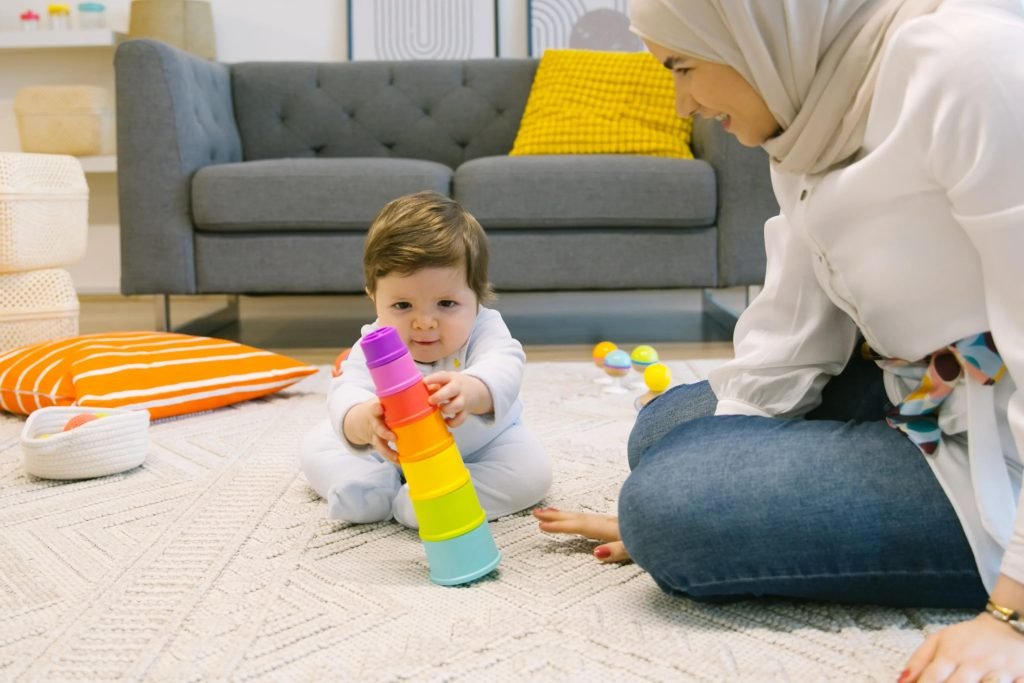
Try simple games like rolling a ball back and forth or stacking blocks together. Watching your baby’s face light up when you respond is a clear sign they’re enjoying the connection. Are you making time each day to play alongside your baby? These moments shape their understanding of relationships.
Imitation And Role Play
Babies begin to imitate actions they see during play, which helps develop their social and cognitive skills. When your baby pretends to feed a doll or talks to a stuffed animal, they are practicing real-life interactions in a safe way.
Encourage this by joining their pretend play and showing simple actions like talking on a toy phone or brushing a doll’s hair. This kind of play sparks creativity and empathy in your little one. How often do you let your baby take the lead in these imaginative moments?
Advanced Manipulation
As babies grow, their interaction with toys evolves beyond simple grabbing or mouthing. Advanced manipulation marks a stage where they begin to explore toys with intention and creativity. This phase shows how their motor skills and cognitive abilities start working together to solve problems and build structures.
Problem Solving With Toys
You’ll notice your baby trying to figure out how a toy works rather than just playing with it. They might press buttons repeatedly to see what happens or shake a rattle in different ways to produce new sounds. This trial-and-error process helps them understand cause and effect.
Encourage this by offering toys that challenge them gently, like shape sorters or puzzles with large pieces. Watch how they test different shapes until one fits perfectly. It’s a clear sign their brain is learning to solve problems in a hands-on way.
Stacking And Building
Stacking blocks or cups is more than just fun; it’s a milestone in fine motor skills and spatial awareness. Your baby learns to control their hand movements precisely to place one object on top of another without knocking it down.
When your baby successfully stacks blocks, they are practicing patience, focus, and planning. Try giving them blocks of various sizes and colors to see if they start sorting and organizing, which shows even more advanced thinking.
Choosing The Right Toys
Choosing the right toys for your baby can make a big difference in how they explore and learn. Toys aren’t just for fun—they help your little one develop important skills like hand-eye coordination, problem-solving, and sensory awareness. But how do you find toys that truly engage your baby and support their growth?
Age-appropriate Toys
Every stage of your baby’s development calls for different types of toys. Newborns benefit from high-contrast toys and soft rattles that stimulate their vision and hearing. As your baby grows, toys with different textures and shapes encourage tactile exploration and fine motor skills.
Think about your baby’s current abilities. Can they grasp objects? Are they starting to sit up or crawl? Choose toys that match these milestones to keep your baby challenged but not frustrated. This keeps playtime enjoyable and productive.
Safety Considerations
Safety should always come first when picking toys. Small parts can pose choking hazards, so avoid toys with detachable pieces for babies under three years. Look for toys made from non-toxic materials and free from sharp edges.
Have you ever noticed how babies put everything in their mouths? This natural curiosity means your toys need to be both safe and sturdy. Check labels for safety certifications and keep an eye out for recalls or warnings. Your baby’s safety is your peace of mind.
Credit: www.thebump.com
Frequently Asked Questions
When Do Babies Start Playing With Toys?
Babies typically start interacting with toys around 3 to 4 months old. At this stage, they begin to grasp and explore objects using their hands and mouth.
What Types Of Toys Do Babies Prefer First?
Newborns prefer soft, colorful, and textured toys. These stimulate their senses and encourage visual and tactile exploration.
How Can Toys Help Baby Development?
Toys promote motor skills, hand-eye coordination, and cognitive growth. They also support sensory development and encourage curiosity and learning.
When Should Parents Introduce Interactive Toys?
Interactive toys can be introduced around 6 months. They engage babies in cause-and-effect learning and improve fine motor skills.
Conclusion
Babies start to show interest in toys as they grow. They begin by looking and touching toys around three months old. By six months, many babies reach for and hold toys. Playing helps babies learn about the world and develop skills.
Each baby grows at their own pace, so timing can vary. Offering safe, colorful toys encourages interaction and fun. Watching your baby enjoy toys brings joy and helps bonding. Keep giving gentle playtime to support your baby’s growth. Toys are small tools for big learning steps.